The 77 Cent Big Mac

File:McDonald's 1960 logo.png - Wikimedia Commons

The Big Mac is a burger which has been discussed on this blog before. A few revelations have been made about the burger, and there continue to be discoveries and innovations in this subject. As McDonald’s gets richer as a company, the prices go up, and the production cost for most of their food items go down. This results in a huge profit margin.

When the restaurants started selling Big Macs, it was already 1967, well after Ray Kroc took over the company. The Big Mac was priced at $0.45, which is over $3 in current day money. It took almost $0.30 to produce a Big Mac, which is $2. Since then, the prices have gone down in production and up in the retail price. The Big Mac has gotten bigger itself, but the production cost is now a whopping $0.77! They sell it for $4 in most places, but the average price around the world is just over $5.50 USD.

There is one more figure, which is the most startling yet. It was discovered by a home cook, Jim James, that if you make a Big Mac at home, buying all the ingredients separately and what McDonald’s claims that their burger has, it would add up to $6.63. This is almost 9 times the price that McDonald’s produces their burgers with. This figure could be summed up by saying McDonald’s is buying their products in bulk, but when their expenses are only 11.6% the price of buying all the ingredients separately, anyone can see that something fraudulent is going on.

Advertising Towards Children

TV Screen Time Exceeds 3 Hours for Babies: JAMA Study | Fortune

Have you ever been scrolling through the internet and come across an ad for fast food? Well this is highly likely. A recent government directed experiment has told us that 44% of the ads we see on a daily basis are related to or promoting consumption of fast food. This number is already a very big number, but it will be outrageous once you find out why.

Yum! Brands is listed as a Fast Food corporation, but in reality, it is responsible for the rise of obesity in children over the last 20 years. In 2004, Yum! Brands held a conference in Singapore called “Top Ten Ways to Market Asian Youths of Today”. This conference was organized due to the fact that children were starting to spend time watching television and society as a whole was starting to be more technology based than ever before. Yum! Brands chose to exploit this fact, and they wanted to market towards children specifically. Their logic was this: Children have 70 years of their life left to live, which can equate to 70 years of being a loyal customer. Since children can learn a lot quicker than adults, it would be easier to spread the idea of fast food through the minds of children. This corporation would corrupt an entire generation just to make more sales.

Corporations like this have taken over the world. They hold the health of the human race at their fingertips, and they are using their power in the worst way possible. Fast Food is an industry that can only be stopped once everyone understands the truth about it. We need to stop funding these corporations, and we need to stop falling for all of their mind tricks. This is the only way to save ourselves.

School Lunches (The Solutions)

Here's your school district's lunch debt policy

Before reading this blog, you should make sure that you have read the previous one. It regards the “Problems” aspect of School Lunches. Think of this blog as a sequel to the previous.

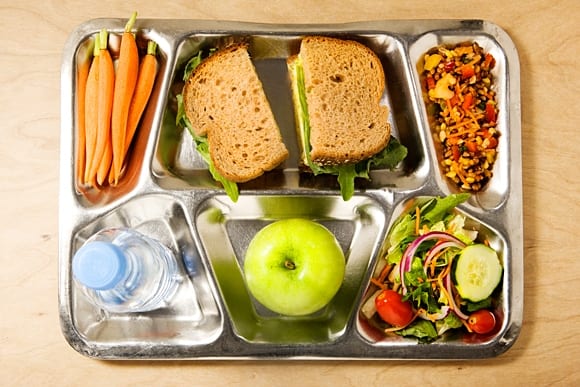
One main problem to address with school lunches is the actual nutritional benefit. Most students choose to leave the healthy options out of their diet. The first step to healthy lunches is to inform all students what they are missing out on. The first step to getting through any roadblock is acceptance, and most children don’t accept that what they are doing is unhealthy.

Schools can also provide healthy lunch options that are interesting to eat. Presentation and taste go hand in hand to create an appealing meal, and if you can’t provide both of these things, then no school can expect the average student to eat healthier.

If schools can combine the two ideas of knowledge and interesting foods, then the future generations will grow up on healthy food, which will give us a healthier world.

School Lunches (The Problems)

Sixteen School Lunch Programs Making a Difference – Food Tank

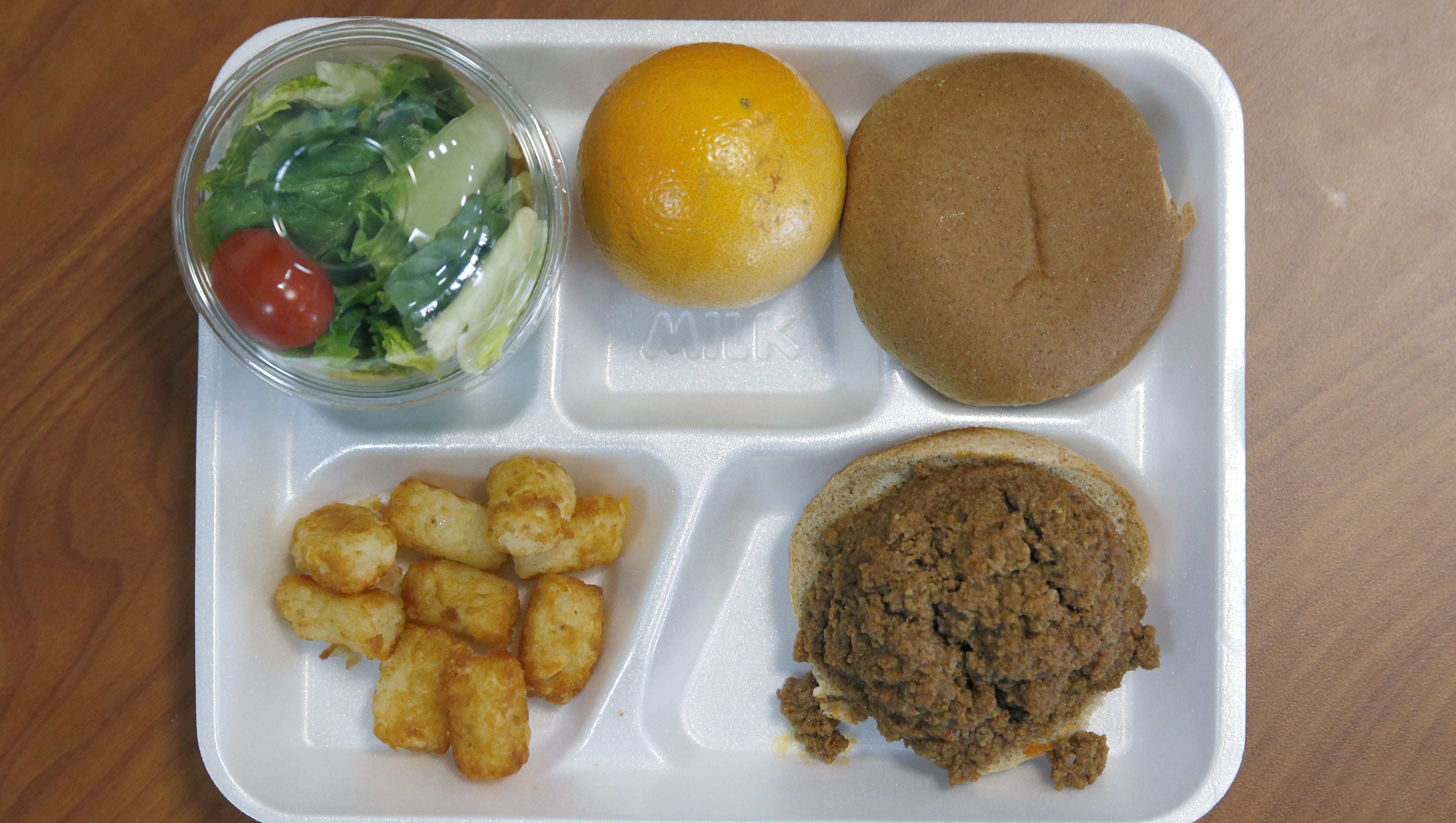
A high percent of the public school system is infamous for its subpar lunches. The food looks and tastes extremely unappetizing. And even though they have a rule that everyone must take a fruit or a vegetable, the lack of nutrition in these lunches is astounding. As we get into it, please keep in mind that all schools are trying to meet expected standards, but there are some obstacles in the way sometimes. The first crucial point is that children can decline to eat any food they don’t want to eat. This seems like a good idea because you should be able to eat what you want to eat. The problem that arises is some children will probably decline all the healthy options which the school provides, and this is one obstacle that they face. I am not saying that schools should be able to force kids to eat all the food, but schools can take other paths to keep their students healthy and meet all the requirements of the FDA. Another flaw with how schools plan out the lunches is MyPlate. MyPlate is a nutrition guide that contains the five food groups which people should be consuming. The groups are Protein, Grains, Fruits, Vegetables, and Dairy. This format for a school lunch is not effective, as it is hard to follow. Not every kid wants to eat a vegetable, and not every kid can drink a carton of milk with their sandwich. When kids aren’t getting all the nutrition they need from school, only one thing can be held responsible. The MyPlate. In theory, this would work perfectly. And it is still suggested to try and follow MyPlate to your best ability. But in school, this cannot be controlled. In life, there are always inconveniences and roadblocks. But you still need to do the best you can. Remember to stay healthy! Stay tuned for another blog regarding School Lunches, and this time, we are going over solutions.