The Resurgence of Iodine Deficiency

In recent years, iodine deficiency has been making an unexpected comeback in some parts of the world, particularly in developed countries. This resurgence is tied to changing dietary habits, specifically the growing popularity of sea salt and Himalayan pink salt as alternatives to traditional iodized table salt. While these natural salts are often marketed as healthier and more “natural,” they typically contain little to no added iodine—a critical nutrient essential for thyroid function and overall health.

Iodine is a trace element that plays a crucial role in the production of thyroid hormones, which regulate metabolism, growth, and development. A deficiency in iodine can lead to a range of health problems, the most well-known being goiter, a swelling of the thyroid gland. More seriously, iodine deficiency can impair cognitive development in children and lead to hypothyroidism in adults. Pregnant women are especially at risk, as insufficient iodine levels can cause developmental issues in the fetus, including intellectual disabilities.

Historically, iodine deficiency was a widespread problem, especially in regions far from the sea where iodine-rich seafood was scarce. In the early 20th century, many countries launched successful public health campaigns to iodize table salt, leading to a sharp decline in deficiency-related conditions. This simple intervention was hailed as one of the great public health achievements of the 20th century.

However, modern health trends have inadvertently reversed some of that progress. As consumers become more health-conscious, many have turned away from processed foods and refined ingredients, including iodized salt. Sea salt and Himalayan salt are perceived as more natural or mineral-rich, and are often preferred for their flavor and aesthetic qualities. While it’s true that these salts contain other minerals, they generally do not contain sufficient iodine to meet daily requirements. Furthermore, many food manufacturers use non-iodized salt in their products, and people consuming less processed food may not be getting iodine from those sources either.

The problem is compounded by the fact that the symptoms of iodine deficiency can be subtle and develop slowly, making it hard to detect until significant damage has occurred. Mild deficiency may go unnoticed, but it can still impair cognitive function and energy levels. In more severe cases, especially in children, the consequences can be permanent.

Health professionals are now raising awareness about the importance of iodine in the diet. One common recommendation is to ensure the use of iodized salt at home, especially for those who do not consume large amounts of dairy, seafood, or eggs—other common sources of iodine. Supplements may be advised in some cases, particularly for pregnant women.

In conclusion, while the shift toward natural salts may seem like a minor dietary change, it has had unintended consequences for public health. The resurgence of iodine deficiency underscores the importance of not only eating “natural” foods, but also ensuring that essential nutrients are not lost in the process. Reintroducing iodized salt into the diet is a simple yet effective step toward addressing this silent but serious nutritional issue.

Sources:
https://www.goodrx.com/well-being/diet-nutrition/iodized-and-non-iodized-salt-differences
http://integrativemedicineofnj.com/the-13-amazing-health-benefits-of-himalayan-crystal-salt-the-purest-salt-on-earth
https://my.clevelandclinic.org/health/diseases/23417-iodine-deficiency
https://www.healthline.com/nutrition/iodine-deficiency-symptoms


Breaking Down: Vitamins

Vitamins are essential organic compounds required in small amounts for various biochemical processes that sustain life. Unlike macronutrients such as carbohydrates, proteins, and fats, vitamins do not provide energy but play crucial roles in enzymatic reactions, cellular function, and overall metabolic health. Most vitamins cannot be synthesized in sufficient quantities by the human body and must be obtained through diet or supplements. They are classified into two major categories: fat-soluble (A, D, E, and K) and water-soluble (B-complex and C). Each vitamin has specific functions and is found in distinct food sources.

Fat-soluble vitamins are stored in the body’s fatty tissues and liver, allowing them to be utilized as needed. Vitamin A, also known as retinol, is vital for vision, immune function, and cell differentiation. It is found in liver, dairy products, and carotenoid-rich vegetables like carrots and sweet potatoes. Vitamin D, synthesized by the skin upon exposure to sunlight, regulates calcium and phosphorus homeostasis, essential for bone health. Dietary sources include fatty fish, egg yolks, and fortified dairy products. Vitamin E, comprising tocopherols and tocotrienols, functions as an antioxidant, protecting cell membranes from oxidative damage. Nuts, seeds, and vegetable oils are excellent sources. Vitamin K, necessary for blood clotting and bone metabolism, is found in leafy greens, broccoli, and fermented foods.

Water-soluble vitamins, which include the B-complex group and vitamin C, must be regularly consumed as they are not stored in the body. The B-complex vitamins play diverse biochemical roles, primarily as coenzymes in energy metabolism. Thiamine (B1) helps convert carbohydrates into energy and is found in whole grains, pork, and legumes. Riboflavin (B2) is essential for redox reactions and is present in dairy products, eggs, and leafy vegetables. Niacin (B3) participates in the production of NAD and NADP, crucial for cellular respiration, and can be obtained from meat, fish, and whole grains. Pantothenic acid (B5), a component of coenzyme A, is widespread in foods like avocados, chicken, and whole grains.

Pyridoxine (B6) is involved in amino acid metabolism and neurotransmitter synthesis, and is found in bananas, poultry, and potatoes. Biotin (B7), crucial for fatty acid synthesis and gluconeogenesis, is abundant in eggs, nuts, and organ meats. Folate (B9) supports DNA synthesis and is particularly important during pregnancy to prevent neural tube defects; sources include leafy greens, legumes, and citrus fruits. Cobalamin (B12), essential for red blood cell formation and neurological function, is found only in animal products such as meat, eggs, and dairy.

Vitamin C, or ascorbic acid, is a powerful antioxidant and is vital for collagen synthesis, wound healing, and immune support. It enhances iron absorption and is abundant in citrus fruits, bell peppers, and strawberries.

Understanding the biochemical functions and dietary sources of vitamins highlights their indispensable role in maintaining health. A balanced diet rich in diverse, nutrient-dense foods ensures adequate vitamin intake, reducing the risk of deficiencies and promoting overall well-being.

Sources:
https://medlineplus.gov/ency/article/002399.htm
https://www.nhs.uk/conditions/vitamins-and-minerals/
https://www.betterhealth.vic.gov.au/health/healthyliving/Vitamins-and-minerals

Consequences of Malnutrition

Malnutrition is a pervasive issue that manifests in various deficiency-related diseases, each stemming from the lack of specific nutrients. These conditions are often exacerbated by poverty, limited access to nutritious food, and inadequate health education. Addressing these diseases requires a holistic approach involving prevention, treatment, and sustainable dietary improvements.

Kwashiorkor and marasmus represent severe forms of protein-energy malnutrition, predominantly affecting children in sub-Saharan Africa, South Asia, and areas experiencing famine or conflict. Kwashiorkor arises from diets high in carbohydrates but deficient in protein, leading to swollen bellies, stunted growth, and weakened immunity. Marasmus, on the other hand, results from prolonged calorie and protein deprivation, causing extreme wasting and developmental delays. Solutions for both involve emergency nutritional interventions, promoting breastfeeding, and enhancing access to protein-rich foods such as legumes, dairy, and meat. Long-term strategies include poverty alleviation, improving agricultural practices, and educating communities about balanced diets.

Micronutrient deficiencies also cause significant health challenges worldwide. Anemia, due to iron deficiency, is particularly prevalent among women and children in sub-Saharan Africa, South Asia, and Southeast Asia. Symptoms such as fatigue and impaired immunity arise from insufficient iron intake or poor absorption, often exacerbated by parasitic infections like hookworm. Tackling anemia involves fortifying staple foods with iron, promoting iron-rich diets including leafy greens and meat, and providing supplements where necessary. Similarly, rickets, caused by vitamin D deficiency, is most common in South Asia and the Middle East, where cultural practices limit sun exposure. Prevention includes encouraging outdoor activities, fortifying foods like milk and cereals, and ensuring supplements reach vulnerable populations.

Vitamin deficiencies also manifest as scurvy, beriberi, pellagra, and xerophthalmia. Scurvy, resulting from inadequate vitamin C, is seen in regions with limited access to fresh fruits and vegetables, such as remote areas of South America and parts of Asia. Increasing availability of citrus fruits, tomatoes, and fortified foods can mitigate this. Beriberi, caused by a lack of vitamin B1 (thiamine), affects the nervous and cardiovascular systems and is most prevalent in Southeast Asia, where polished rice dominates diets. Solutions involve fortifying rice with thiamine and promoting whole grains. Pellagra, linked to niacin deficiency, is common in sub-Saharan Africa and areas of Latin America reliant on maize as a staple, due to its low niacin bioavailability. Fortifying maize and incorporating niacin-rich foods like fish and legumes can prevent this condition. Finally, xerophthalmia, stemming from vitamin A deficiency, disproportionately affects children in sub-Saharan Africa and South Asia. Distributing supplements and promoting vitamin A-rich foods like carrots and sweet potatoes are essential measures.

Combating malnutrition requires targeted interventions and systemic changes, including education, supplementation, and food fortification. By addressing both the immediate and root causes of nutrient deficiencies, global health outcomes can improve significantly, building healthier and more resilient communities.

Sources:
https://www.parashospitals.com/blogs/what-are-the-diseases-caused-by-malnutrition
https://www.who.int/news-room/fact-sheets/detail/malnutrition
https://medifoodinternational.com/disease-related-malnutrition/
https://pmc.ncbi.nlm.nih.gov/articles/PMC3685880/
https://pmc.ncbi.nlm.nih.gov/articles/PMC8761690/

Superfoods or “Superfrauds”?

The term “superfood” often conjures images of exotic and nutrient-dense foods that promise extraordinary health benefits. Among these, acai berries have gained significant attention. Hailed as a “superfruit,” acai is rich in antioxidants, particularly anthocyanins, which are believed to combat oxidative stress. While these berries indeed have a high nutrient profile, much of the associated hype stems from marketing rather than robust scientific evidence. Studies suggest that while acai can contribute to a healthy diet, its benefits are comparable to more accessible fruits like blueberries and strawberries, which also boast high antioxidant content.

Another popular superfood is quinoa, often lauded for its complete protein profile, containing all nine essential amino acids. This makes it a valuable option for vegetarians and vegans. Additionally, quinoa is rich in fiber, vitamins, and minerals such as magnesium. However, its “superfood” status overlooks the fact that other grains, like oats and barley, provide similar nutritional benefits at a lower cost. Moreover, the rising global demand for quinoa has led to environmental concerns and socioeconomic challenges in regions where it is traditionally cultivated, such as Bolivia and Peru.

Kale has become synonymous with modern health trends, celebrated for its high levels of vitamins A, C, and K, as well as its antioxidant properties. While it is undeniably nutritious, kale’s status as a superfood has led to exaggerated claims about its health effects, including cancer prevention. Although some studies suggest a link between cruciferous vegetables and reduced cancer risk, the evidence does not single out kale as uniquely effective. Furthermore, overconsumption of raw kale can lead to thyroid issues due to its goitrogenic compounds and iodine concentrations, highlighting the importance of moderation.

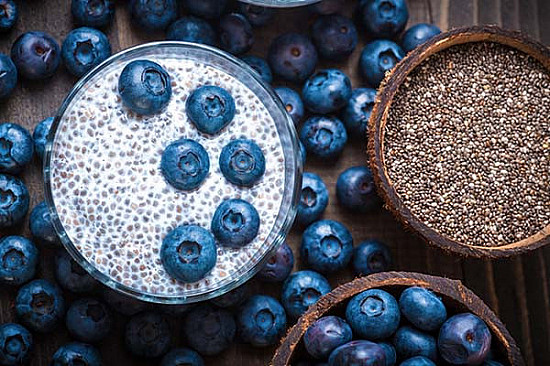
Finally, chia seeds are praised for their omega-3 fatty acids, fiber, and ability to absorb water, creating a gel-like consistency that promotes satiety. While chia seeds do offer these benefits, their omega-3 content is primarily in the form of alpha-linolenic acid (ALA), which the body must convert to more usable forms like EPA and DHA. This conversion process is inefficient, making chia seeds a less effective source of omega-3s compared to fish or algae-based supplements. Thus, while chia seeds are a healthy addition to a diet, they may not live up to their superfood label.

In conclusion, many alleged superfoods provide valuable nutrients but are often overhyped by marketing campaigns. A balanced diet that includes a variety of whole foods—both “super” and ordinary—is the most reliable path to good health. Make sure to research what goes into your body rather than mindlessly consuming “superfrauds”.

Sources:
https://www.healthline.com/nutrition/8-healthy-berries#blueberries
https://www.nm.org/healthbeat/healthy-tips/nutrition/myths-about-diet-and-thyroid
https://www.medicalnewstoday.com/articles/270435
https://www.medicalnewstoday.com/articles/chia-seeds-ibs

Celebrating Three Years of Fast Food Fraud Food

Three years ago, Fast Food Fraud Food embarked on a journey to expose the hidden truths behind the food industry and provide insightful commentary on various aspects of our world. Today, as we celebrate our third anniversary, I look back with pride at the impact we’ve made and the community we’ve built. Our mission has always been to inform, educate, and inspire you readers through well-researched and thought-provoking content. Over the years, we’ve expanded our horizons, delving into diverse topics under categories such as “Breaking Down…,” “Future Generations,” “Latest in the Food Industry,” “Our World,” and “The Types Of…

One of the most popular categories in the early days of FFFF, “Breaking Down…“, offers in-depth analyses of complex issues. One standout piece is “Breaking Down the Real Cost of Fast Food.” This blog dissects the economic, health, and environmental costs of the fast food industry, revealing the hidden price tags behind those seemingly cheap meals. Another hit is “Breaking Down Organic vs. Conventional Farming,” where I scrutinize the benefits and drawbacks of both farming methods, providing readers with a balanced perspective on this contentious topic. Also worth noting are “Breaking Down Food Labeling Laws,” which uncovers the often misleading labels on food products, and “Breaking Down the Farm-to-Table Movement,” exploring the journey of food from its origin to our plates.

In the “Future Generations” category, I’ve dedicated postings to exploring the challenges and opportunities facing the youth of today and tomorrow. “Rethinking School Lunches for Future Generations” has resonated deeply with our readers, as it discusses the importance of nutritious school meals and the role they play in shaping the health and habits of children. Another noteworthy blog is “Sustainable Eating Habits for Future Generations,” which emphasizes the need for eco-friendly dietary practices and how they can be instilled from a young age. Additionally, “Teaching Kids About Food Waste” focuses on educating the younger generation about the importance of reducing food waste, while “Future Generations and Food Security” delves into ensuring a stable food supply for the years to come.

Our “Latest in the Food Industry” section keeps readers updated on current trends and innovations. “The Rise of Plant-Based Meat Alternatives” has been a significant hit, reflecting the growing interest in vegetarian and vegan options. This blog explores the science behind these products and their potential to revolutionize the food industry. Additionally, “Technological Advancements in Food Safety” sheds light on the latest technologies ensuring the safety and quality of our food, a topic of utmost importance to consumers. I also recommend “Trends in Food Delivery Services,” examining the surge in online food delivery platforms, and “The Future of Lab-Grown Meat,” exploring the potential and challenges of cultured meat products.

The “Our World” category takes a broader look at global issues and their intersections with the food industry. “The Global Impact of Food Waste” is one of our most-read blogs, highlighting the staggering amounts of food wasted worldwide and proposing actionable solutions. “Climate Change and Its Effect on Agriculture” is another impactful piece, exploring how shifting climate patterns are affecting food production and what measures can be taken to mitigate these effects. Other noteworthy blogs include “Global Food Inequality,” which discusses the disparity in food access and distribution across different regions, and “The Role of Bees in Our Food Supply,” highlighting the crucial importance of bees in pollination and food production.

Lastly, “The Types Of…” category delves into the diversity of food and eating practices. “The Types of Diets: A Comprehensive Guide” offers readers a detailed look at various dietary lifestyles, from ketogenic to Mediterranean, helping them make informed choices. “The Types of Food Fraud and How to Spot Them” has been particularly popular, educating readers on the different forms of food fraud and providing tips on how to protect themselves from such deceptions. Also worth exploring are “The Types of Superfoods and Their Benefits,” providing insights into nutrient-dense foods, and “The Types of Food Allergies and Intolerances,” offering guidance on managing and understanding food-related health issues.

One my main goals with FFFF is to remove the popularity of buzz words on the consumer side and reduce the effect of false advertising on the choices we make. As we celebrate three years that have amassed 100 Fast Facts, 42 Blog posts, hundreds of followers on Instagram and X, and hundreds more readers across the world, I thank you for being a part of the Fast Food Fraud Food community!

Sources:
https://fastfoodfraudfood.org/
https://fastfoodfraudfood.org/blogs/
https://x.com/fastfoodfraud
https://www.instagram.com/fastfoodfraudfood/

To Be Healthy and Humane: Cows

The fast-food industry is constantly under scrutiny for its sourcing practices and the quality of ingredients used. Humans are omnivores, which means that these ingredients used could be crops grown but they could also be animals. These animals are living creatures, and they should be raised humanely. About 20% of all the land on the planet is used for livestock, which is 53% of all agricultural land. As the human race, how should we balance our own health with the respectful and proper treatment of our fellow inhabitants of Planet Earth?

The Tragedy of the Commons is a principle that highlights how individual users, acting independently according to their self-interest, can ultimately deplete a shared resource, leading to the detriment of the entire group. In biological terms, this principle is often observed in ecosystems where overuse of a particular resource—be it grazing land, fisheries, or water sources—leads to degradation and collapse of the ecosystem. This concept is crucial in understanding how practices like overharvesting and unsustainable farming can lead to long-term negative outcomes for both the environment and the economy. One classic example of the Tragedy of the Commons is overfishing in the world’s oceans. Individual fishermen, seeking to maximize their catch, often ignore quotas and regulations, leading to the depletion of fish stocks. This overexploitation not only threatens the survival of certain fish species but also disrupts entire marine ecosystems and the communities that rely on them for food and livelihood. Another example is deforestation in the Amazon rainforest. Farmers and loggers, driven by the immediate economic benefits of clearing land for agriculture or timber, contribute to the widespread destruction of the forest. This practice leads to loss of biodiversity, disruption of water cycles, and contributes to climate change, affecting global environmental health.

Taco Bell has faced criticism for allegedly using older cows in their beef products. According to a report by the Daily Dot, Taco Bell’s beef is often sourced from cows that are past their prime reproductive age, which can impact both the quality and nutritional value of the meat used in their products.

In the fast-food industry, cows are typically slaughtered at an older age compared to those used by traditional butchers. According to a report from Daona Wagyu, fast-food chains often use cows that are around 5 to 6 years old, as they are cheaper and still provide adequate meat yields. In contrast, butchers and high-end meat suppliers generally prefer younger cows, slaughtering them between 18 months to 3 years of age. Younger cows are favored for their tenderness and superior taste, making them more desirable for premium cuts of beef.

The age of the cow significantly impacts the taste, texture, and nutritional value of the beef. Younger cow beef is known for its tenderness, juiciness, and rich flavor. The muscle fibers are less developed, resulting in a softer texture that is highly prized in the culinary world. Nutritionally, younger beef tends to have higher levels of intramuscular fat, contributing to a richer taste and better mouthfeel. On the other hand, beef from older cows tends to be tougher and less flavorful. The meat is often leaner and can have a more pronounced, sometimes gamey flavor, which is not as universally appealing. Nutritional differences may include higher protein content but lower fat levels, making it less desirable for certain cooking methods that rely on fat for flavor and moisture.

Age also plays a crucial role in the quality of meat from other animals. For instance, “baby back ribs” come from younger pigs and are known for their tenderness and mild flavor, compared to spareribs from older pigs, which are tougher and have a stronger taste. Lamb is another example, with “spring lamb” being particularly sought after for its delicate flavor and tender texture, unlike meat from older sheep, which can be tougher and have a more robust flavor. Choosing younger, more tender meat from animals like cows, pigs, and lambs can lead to a more enjoyable culinary experience, but it also raises important ethical considerations. The practice of using older animals in the fast-food industry can be seen as a way to reduce waste and maximize resource use. However, it is essential to balance these practices with humane treatment of animals and sustainable resource management. By being mindful of where our food comes from and how it is produced, consumers can make choices that are not only healthier for themselves but also more humane and sustainable for the planet.

While restaurants like Taco Bell should not be treated as a frequent place to gain sustenance from, their sourcing of cows is admirable. It might be cheaper to slaughter a cow after 24 months of life, but they do not do that. This sacrifice shows that even in the massive industry of fast food, you can remain competitive while providing respect to the 300 million cows slaughtered each year.

Sources:
https://www.dailydot.com/news/taco-bell-beef-quality/
https://www.daonawagyu.com/blog/blog-post-title-four-wde5f/
https://www.texasmonthly.com/bbq/old-cows-texas-steaks-heartbrand/
https://clear.ucdavis.edu/explainers/cattle-and-land-use-differences-between-arable-land-and-marginal-land-and-how-cattle-use
https://sentientmedia.org/how-many-cows-are-killed/