The Impact of Income on Nutrition

Access to proper nutrition is a fundamental human right, yet it remains a significant challenge for many households worldwide. The economic status of a household, particularly its income level, plays a crucial role in determining the quality and quantity of food available. There is a lot of proof that shows how nutrition differs in households with varying income levels and highlights the implications of these disparities on health outcomes and overall well-being.

Low-income households often face limited access to nutrient-rich foods due to financial constraints. Fresh fruits, vegetables, lean proteins, and whole grains are often more expensive than processed, calorie-dense foods. As a result, households with lower incomes tend to rely more heavily on inexpensive, energy-dense foods that are high in added sugars, unhealthy fats, and sodium. This dietary pattern can lead to an increased risk of obesity, diabetes, and cardiovascular diseases. Fast food is very cheap and easy to come by, making it a “good” option for families with low income. Having a diet where fast food as a constant part of leads to many problems. Another point is that if money is running low, the quantity of food itself might not be there. This means that some families might be forced to survive off half portions of unhealthy food. This may jumpstart health problems that normally start later in life, in kids. High cholesterol, obesity, and more, are all examples of these conditions that may arise from an unbalanced diet.

Households with higher incomes have the advantage of being able to prioritize both the quality and quantity of their food choices. They can afford a wider range of fresh, organic, and locally sourced foods that are often more nutritious. In contrast, lower-income households may prioritize quantity over quality due to limited financial resources. This can lead to a higher consumption of cheap, calorie-dense foods that lack essential nutrients, contributing to malnutrition and various health issues.

Income disparities also affect the level of nutrition education and knowledge available within households. Higher-income households tend to have more resources to invest in nutrition education, cooking classes, and access to registered dietitians. They are better equipped to make informed decisions about their dietary choices, resulting in healthier eating habits. On the other hand, low-income households may have limited access to nutritional education and may be less aware of the importance of a balanced diet, leading to suboptimal food choices and nutritional deficiencies.

Food insecurity, defined as the limited or uncertain availability of nutritionally adequate and safe foods, is more prevalent in low-income households. These households often struggle to provide enough food for all family members, resorting to skipping meals or relying on low-cost, energy-dense foods. Food insecurity compromises the nutritional status of individuals, increases the risk of chronic diseases, and negatively impacts physical and cognitive development, particularly in children. Even though the government attempts to make food available for low-income households, there is still stigma against the use of food stamps. If this stigma dissipated, many problems in the lives of these families would be solved.

The community environment plays a significant role in shaping nutritional disparities. Low-income neighborhoods often lack affordable grocery stores and farmers’ markets, known as food deserts. This limited availability of fresh, healthy food options forces residents to rely on convenience stores and fast-food establishments, which tend to offer cheaper, less nutritious food. In contrast, wealthier communities often have better access to supermarkets and health-conscious food establishments, making it easier to maintain a balanced diet.

Nutrition disparities between households with different income levels have far-reaching consequences for individuals’ health and well-being. Limited access to nutrient-rich foods, a focus on quantity over quality, inadequate nutrition education, and food insecurity all contribute to the nutritional challenges faced by low-income households. Addressing these disparities requires a multifaceted approach, including policies that improve access to affordable, healthy food options, increase nutrition education, and promote sustainable socioeconomic development. By prioritizing equitable access to nutrition, society can work towards ensuring that all households, regardless of income level, have the opportunity to lead healthy and nourished lives.

Sources:
https://bmcpublichealth.biomedcentral.com/articles/10.1186/s12889-019-6546-2
https://www.sciencedirect.com/science/article/pii/S0749379716303099
https://www.ers.usda.gov/amber-waves/2008/november/can-low-income-americans-afford-a-healthy-diet/

Breaking Down: Water Consumption

Water is the most important ingredient in the recipe for life. Not just for creating it, but more importantly, sustaining it. However, consuming water is not as simple as we make it out to be. Simply drinking an ample amount of water every day is a great start, but there are methods to further the amount of nutrition you are getting from drinking water. Read on to learn more about drinking habits, bottles, and what water actually does for your body!

The first time you should be drinking water is right after you wake up. Before you brush your teeth, before you eat your breakfast, before you do work out. While you sleep, your mouth is home to many active bacteria that release a sulfuric gas as they digest proteins in your mouth. Instead of spitting all of this out and wasting it, it is better to drink water and wash it all down. Forming this habit also makes your breath smell less throughout the day. To top it off, your mouth produces less saliva while you’re sleeping than the rest of the day, so drinking water right after you wake up reduces any discomfort you may be having due to dehydration.

You should also be drinking water during and after your meals. In many cultures, it is looked down upon to consume water while eating food. This is completely illogical, as drinking water while eating food is a great way to balance out the dehydrating compounds entering your body. Drinking water throughout the meal also prevents the urge to chug down an entire bottle at once after the meal. Drinking large quantities of water after a period of dehydration is not optimal, as it can cause queasiness and regurgitation. After finishing your meal, unless you have the intent to immediately brush your teeth, swish the water around your mouth and swallow to clean out any leftover food sediments on your teeth. This also helps with your breath.

Finally, you should be drinking a lot of water during periods of exhaustion. This can occur at many times throughout your day. If you are feeling like taking a nap after a long day, but you need to stay awake, drink water! Although it does not actually give you energy, it will make you feel good. If you feel exhausted while you are on a run, at the gym, or simply due to a prolonged headache, water may soothe your discomfort.

Whether you are drinking your water out of a bottle, pitcher, or a cup, they all have their own benefits and qualities you should seek. An interesting tradition from Ayurvedic medicine from Ancient India is drinking water out of copper pitchers. Before the world knew what bacteria was, Indian civilizations were storing water in a natural purifier; one that erased microorganisms, algae, fungi, and bacteria from the water. Drinking from pitchers to a glass is also sustainable, as they are both reusable. Plastic bottles provide no further nutrional value to the water and they cause the most environmental problems when disposed.

The only issue with metal water containers is that they may rust over time. This is why a safe choice is glass. Glass cups do not rust, but they also do not provide any extraordinary benefits. They are reusable and provide a great taste to the water. Personally, I have a metal water bottle that I take when I leave my house, but at home, I drink out of a glass pitcher into a glass cup.

There are several ingredients that you can add to your water to make it more nutritional and flavorful. One popular option is lemon, which not only adds a refreshing taste but also contains vitamin C and antioxidants that boost your immune system and fight inflammation. Another option is mint leaves, which give your water a cool and refreshing taste while aiding in digestion and providing anti-inflammatory benefits. Cucumber slices can also be added to water, providing hydration and promoting healthy skin due to their high water content and vitamin K. Finally, adding a pinch of Himalayan salt can provide essential minerals like magnesium and potassium, which aid in hydration and maintaining electrolyte balance. These simple additions can transform plain water into a nutritious and tasty beverage.

Following some of these habits can truly help you with some of the annoying problems in your life; tiredness, headaches, and poor mouth odor. Remember to sway away from plastic water bottles and stay healthy!

Sources:
https://www.wagnerdentist.com/what-happens-in-your-mouth-while-you-sleep/
https://premiumwaters.com/blog/top-5-best-times-to-drink-water-in-a-day/
https://urbannatureculture.com/blogs/news/the-mangal-jug
https://drinkoptimum.com/benefits-of-drinking-water-from-a-copper-bottle/

Sustainable Cooking

Cooking is a daily routine that affects our environment, and it is vital that we approach it in a sustainable way. In this article, we will explore some tips on how to be more environmentally friendly when cooking, including sustainable food practices, such as farm-to-table, reducing food waste, and ethical food sourcing.

Farm-to-table is a sustainable food practice that reduces our carbon footprint by sourcing local ingredients from nearby farmers and producers. This helps to minimize transportation and packaging, which has a significant impact on the environment. Shopping at local farmer’s markets or joining a community-supported agriculture (CSA) program is a great way to practice farm-to-table cooking and support the local economy. Additionally, this practice promotes biodiversity, which is essential for maintaining a healthy ecosystem. Simply buying seeds and digging out a small patch in your backyard is a great start to getting fresh products that help the environment!

Reducing food waste is another crucial aspect of sustainable cooking. The USDA reports that an estimated 30-40% of the food supply is wasted, leading to significant environmental consequences. Planning meals in advance and only buying what is needed is a great start to reducing food waste. Additionally, using all parts of the ingredients and composting food scraps can significantly reduce methane emissions from landfills. This way, we can reduce our carbon footprint and minimize the amount of food that ends up in the trash. It’ll be hard for anyone to go to completely no waste, but whatever waste you do have, make sure you can deal with it the proper way. For example: composting or fertilizing.

Ethical food sourcing is essential for sustainable cooking. It involves selecting ingredients that are produced in an environmentally and socially responsible way. For instance, choosing meat products that are certified organic or grass-fed and avoiding products that come from factory farms. When selecting seafood, it is important to choose sustainably caught or farmed products and avoid overfished or destructively caught species. By supporting these practices, we can help reduce our impact on the planet and promote ethical and sustainable food production. Spending an extra few bucks for “premium” meat may seem like a luxury, but it has been made increasingly more affordable.

Cooking in bulk is another sustainable cooking practice that can help reduce energy consumption and time spent cooking. Additionally, leftovers can be repurposed into new meals, reducing the need to purchase new ingredients. Slow cookers, pressure cookers, and roasting large quantities of vegetables are some ways to cook in bulk. By adopting this practice, we can save time and energy while still enjoying delicious meals.

Finally, choosing energy-efficient appliances and sustainable cookware is essential for sustainable cooking. Induction cooktops and convection ovens are examples of energy-efficient appliances that can help reduce energy consumption. Sustainable materials such as cast iron or stainless steel are ideal for cookware instead of non-stick cookware that contains harmful chemicals that are difficult to recycle. Choosing these environmentally friendly appliances and cookware promotes responsible resource use and reduces our carbon footprint.

In conclusion, adopting sustainable cooking practices is crucial in minimizing our environmental impact when cooking. By practicing farm-to-table cooking, reducing food waste, and ethical food sourcing, we can ensure that we are using our resources responsibly. Cooking in bulk and using sustainable appliances and cookware can also reduce our carbon footprint. By adopting these sustainable cooking practices, we can enjoy delicious meals while taking care of our planet.

Sources:
http://socisdg.com/en/blog/sustainable-cooking/
https://www.usda.gov/foodlossandwaste
https://www.usda.gov/media/blog/2013/01/28/whats-your-beef-prime-choice-or-select

Uses of Technology in the Food Industry

The use of technology in the food industry has changed how we produce and find food, including the way we use applications, robotics, data and processing techniques. While it may not be the first thing that comes to mind when it comes to food, technology has become an essential part of food production and processing.

According to a recent report from Dutch banking group, ING, the use of technology in the food industry helps manufacturers to produce food more efficiently for a growing world population. With a growing population, the demand for food is increasing each year. Technology improves the processing and packaging of food, resulting in increased shelf life and safety. It is important for foods that are mass produced to be the same. A reason why people today prefer unhealthy packaged foods over fresh foods from the farmer’s market is because when they open a bag of chips, they know what to expect. A fruit, for example, could be sweet, sour, soft, or firm. The use of technology helps eliminate this issue for packaged foods.

Robotic machines can eliminate safety issues in the food industry by performing the more dangerous tasks. In 2016, a tech company introduced a program for butchery, using robots to cut the more difficult meats and save workers from injury. Dangerous machinery cannot be coded to work symbioticly with humans. But working with other robots? They can do that just fine. It is more helpful to have a fully automated system than a partially automated system, which is why companies are decreasing their human workload while increasing their automated workload.

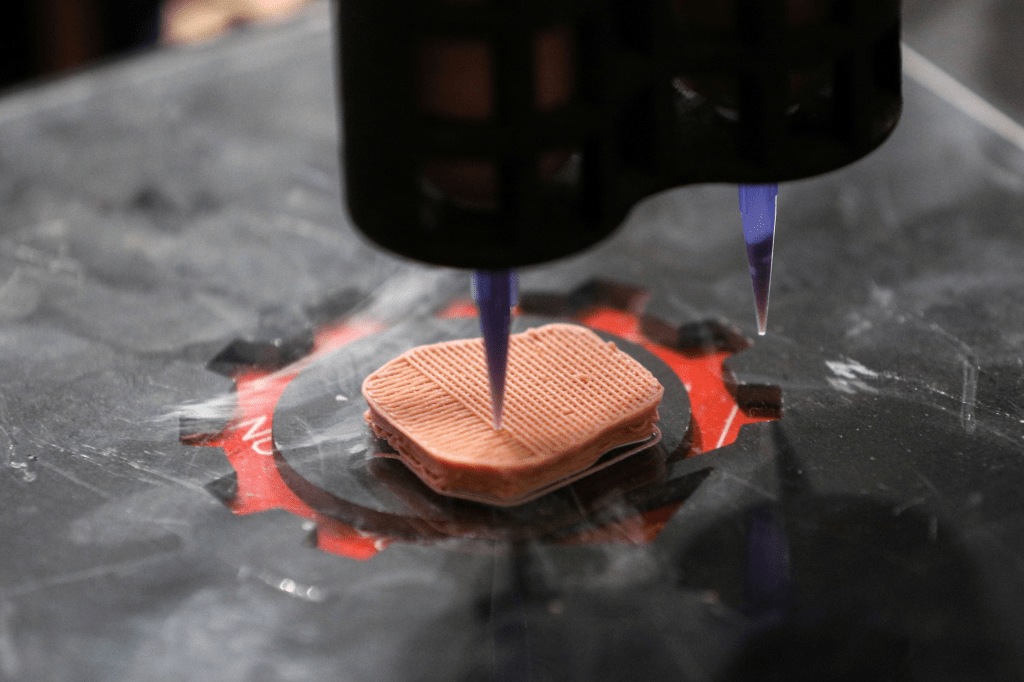
Surprisingly, 3D printing has become increasingly popular across the food industry. There have been several applications of 3D printing food, from NASA printing a pizza to creating soft foods for people who cannot consume hard food. It opens the door to innovation and helps with food sustainability, shaking up the industry in many ways. One alternative to eating the sodium and calorie high imitation meats is to eat 3D printed meat, which is almost a perfect copy of the actual thing!

Precision agriculture is a major player in the use of technology to improve food production. GPS tracking systems and satellite imagery are used to monitor crop yields, soil levels and weather patterns to increase efficiency on the farm. Drones are also used to locate and identify diseased or damaged crops and tend to them immediately, helping workers to be more efficient. With strict product requirements at large volumes and demand for lower pricing, robotic elements help create a faster environment to produce more goods than regular labor.

The use of technology in packaging has also become a concern for consumers, who pay attention to labels and harmful ingredients. Companies use technology to help them “go green,” finding alternatives to plastics and other harmful packaging for the environment. There are many different ways we are using technology in packaging, from edible packaging to micro packaging and even bacteria-fighting packaging. Consumers are also looking for where companies source their products and how they handle their waste. Currently, 40% of America’s food is thrown away each year. With the help of technology, strides are being taken to reduce that number and utilize extra food. For example, the app Copia uses its food waste reduction dashboard to connect businesses with surplus food to local shelters, after-school programs, and other nonprofit organizations.

With all these advancements in technology, there are so many different ways that it can really change how we produce food. Evolving technology could be the key to eliminating world hunger and solving our waste problem. The possibilities are endless, and we can only wait and see how technology will continue to revolutionize the food industry.

Sources:
https://www.forbes.com/sites/nicolemartin1/2019/04/29/how-technology-is-transforming-the-food-industry/?sh=2ae72dec20a3
https://www.3dsourced.com/feature-stories/3d-printed-meat-future-of-cuisine/

The Types of Nuts

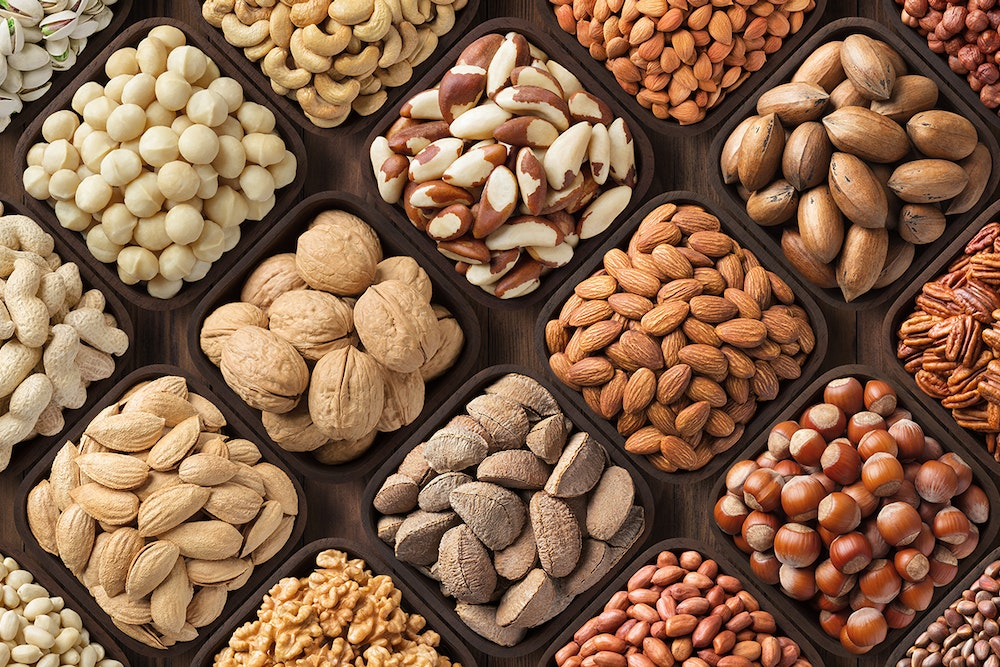
Nuts have been a staple in human culture and diet for thousands of years. It has grown from a simple food item to an icon in health. Nuts are extremely diverse, showing up in all shapes and sizes around the world. According to the US Forest Service, a nut is “a dry fruit with a single seed, hard outer shell, and dry husk.” However, there are so many more levels to defining a nut, which you can learn from reading this blog. From almonds to pecans and brazil nuts, there is always a lot to learn.

Almonds, a popular nut variety, are a powerhouse of nutrition with high levels of healthy unsaturated fats, fiber, and protein. Almonds stand out as they offer a rich source of calcium, making them a great option for vegans and those who avoid dairy. This makes them beneficial for promoting bone health and overall nutrition. Studies have also shown that almonds can have a positive impact on heart health and blood sugar control. Whether raw, roasted, or used in cooking and baking, almonds offer versatility and nutrition in every bite.

Pistachios, known for their easily-split shells, offer a great deal of fiber and healthy unsaturated fats including monounsaturated fats. These nuts are also a good source of vitamins B6 and E, protein, potassium, and phosphorus. Pistachios make for a convenient snack option on-the-go and have been shown to have a positive impact on heart health and weight management.

Walnuts are renowned for their high levels of healthy omega-3 fatty acids, which are critical for brain and heart health. They also contain fiber, protein, and vitamins B6 and E. The brain-like shape of walnuts has earned them the title “brain food,” making them a great option for boosting cognitive function and supporting brain health. Additionally, walnuts have proven to have a positive impact on heart health, weight management, and overall nutrition. These three traits are seen throughout many types of nuts, but don’t get bored of them, as they are all very important. Enjoy walnuts as a standalone snack, add to salads or baked goods, or use as a topping for yogurt or oatmeal for a delicious and nutritious treat.

Cashews, with high levels of healthy unsaturated fats, protein, and fiber, are a nutritious snack option. They also offer vitamins B6 and K, iron, magnesium, and potassium. Cashews are typically enjoyed roasted or salted, making them a convenient snack option to keep you full and satisfied. Cashews can be used in cooking and baking or even eaten raw.

Pecans, a native nut of North America, boast high levels of healthy unsaturated fats, fiber, and protein. They are also a good source of vitamins E and B1, magnesium, phosphorus, and zinc. Pecans offer a rich, buttery flavor that makes them a popular ingredient in sweet and savory dishes. This makes them a great option for adding flavor and nutrition to meals and snacks. Pecans have a positive impact on the big three; heart health, weight management, and overall nutrition. Incorporate pecans into pies, cakes, salads, or enjoy them on their own for a delicious and nutritious treat.

Macadamia nuts are known for their high levels of healthy monounsaturated fats, the same type found in olive oil. They also offer fiber, protein, and a rich source of vitamins and minerals such as thiamin, iron, and magnesium. Macadamia nuts are a unique nut variety as they have a delicate, creamy texture and a sweet, buttery flavor. These qualities make them a popular ingredient in desserts and baked goods. They can be enjoyed by themselves, but are commonly found in cookies, too! This is a great use of them as they are balanced out to create a dessert which is one of my personal favorites.

Brazil nuts, native to South America, are a rich source of selenium, a mineral critical for good health. They are also high in healthy unsaturated fats, fiber, and protein. Brazil nuts contain vitamins E and B1, magnesium, phosphorus, and potassium, making them a nutritious addition to your diet. Their unique, rich flavor and firm texture make them a popular ingredient in desserts, baked goods, and snack mixes. However, they can also be very dangerous. Brazil nuts also contain radium, a very radioactive chemical. The entire nut has more than 10x the normal radioactivity in food (everything has some level of radioactivity, usually not harmful). The German Federal Office for Radiation Protection reccomends not to exceed two nuts a day, and one for smaller people. Brazil nuts are great natural supplements to your diet.

Hazelnuts, also known as filberts, are a good source of healthy unsaturated fats, fiber, and protein. They contain vitamins B6 and E, iron, magnesium, and potassium, making them a nutritious option for snacking. Hazelnuts are particularly famous for their use in hazelnut spread. They offer a unique, sweet, and slightly bitter flavor that is popular in desserts, baked goods, and snack mixes. By themselves, they check off all the boxes for a healthy nut.

Peanuts, a legume, are a good source of healthy unsaturated fats, fiber, and protein. They contain vitamins B3, E, and B6, magnesium, and potassium, making them a nutritious option for snacking. Peanuts have a unique, slightly sweet and savory flavor that makes them popular as a snack food and ingredient in dishes such as peanut butter and stir-fries. Peanuts are extremely versatile, but peanut allergies are extremely common. It is the third most common allergy in children and the second most common in adults. If you are not allergic to them, consider yourself lucky, as peanuts are a great source of nutrition.

In a previous Fast Fact, I shared how dry beans give you the most fullness in your stomach per buck. The close second were nuts. Considering all of their extra health benefits, it would be smarter to consume a normal diet and snack on nuts throughout the day, as opposed to munching on dried beans. Hopefully the knowledge shared in this blog can help you find a nut which will help your needs the most!

Sources:
https://www.healthline.com/nutrition/9-healthy-nuts
https://www.ediblearrangements.com/blog/different-types-of-nuts/
https://www.mashed.com/885381/types-of-nuts-and-what-makes-them-unique/

Breaking Down: Pickles

Pickling is an ancient method of preserving food that has been used for centuries. The earliest known records of pickling date back to ancient Mesopotamia and Egypt, where fruits and vegetables were preserved in vinegar or salt water. Pickling was a necessary practice in the days before refrigeration, as it allowed people to store food for long periods of time and avoid spoilage. As people began to explore new parts of the world, they brought pickling techniques with them, and the practice spread to Europe, Asia, and the Americas. Pickling became a popular way to preserve food in all cultures, with each region developing its own unique variations and flavors.

In Europe, pickling was a common method of preserving food during the Middle Ages. Pickled vegetables, fruits, and fish were a staple in the diet of many people, as they could be stored for long periods of time without spoiling. Pickling was also used as a way to preserve food during the winter months, when fresh produce was scarce. In the Americas, pickling was also a common practice among Native American tribes, who used it to preserve food for the winter months. Pickling was also used by early settlers in the Americas, who brought European pickling methods with them.

The popularity of pickling reached its peak in the 18th and 19th centuries, with the rise of commercial pickling operations. The mass production of pickles allowed them to become more widely available and affordable for the general population. Today, pickling is still a popular method of preserving food, and many traditional pickled foods, such as dill pickles, sauerkraut, and kimchi, continue to be enjoyed around the world.

The science behind pickling is relatively simple. Pickling works by creating an environment that is inhospitable to bacteria, which is the main cause of spoilage in food. The acidity of the vinegar or fermentation of the brine creates a low pH environment that prevents the growth of harmful bacteria. Salt is also added to the pickling solution, which further helps to inhibit the growth of bacteria.

One of the most popular pickled foods around the world is the cucumber. Pickled cucumbers, also known as dill pickles, are made by soaking cucumbers in a vinegar and salt brine, along with spices like dill and garlic. Pickled cucumbers are a staple in many cuisines, from the classic American hamburger accompaniment to the traditional Polish dill pickle. Another popular pickled food is the Korean dish known as kimchi. This traditional fermented food is made from Napa cabbage, radishes, and other vegetables, and is flavored with a spicy chili paste, garlic, and ginger. Kimchi is a staple in Korean cuisine and is known for its strong, pungent flavor and numerous health benefits. In addition to cucumbers and kimchi, other popular pickled foods include sauerkraut, pickled beets, pickled ginger, and pickled onions. The popularity of pickling has also led to the creation of new and innovative pickled foods, such as pickled watermelon, pickled blueberries, and even pickled eggs.

In conclusion, pickling is an ancient method of preserving food that has been used for centuries. Today, pickling is still popular and widely used, with cucumbers, kimchi, sauerkraut, beets and many other foods being pickled. The science behind pickling is simple, it creates an environment that prevents the growth of harmful bacteria, allowing for food to be stored for long periods of time. Pickling not only preserves food but also creates unique flavors and is a staple in many traditional cuisines around the world.

Sources:
https://www.history.com/news/pickles-history-timeline
https://www.webstaurantstore.com/blog/4066/types-of-pickles.html

Packaging Food and Presents This Holiday Season

At this time of the year, our thoughts turn to the holiday season and what we will eat during it. But both raise a common problem: packaging. Whether you give a gift, order food, or buy fresh groceries, they all come in packaging. As society shifts towards being more eco-friendly, how can we solve the problem of packaging materials?

Sustainable food packaging is packaging that is designed to be environmentally friendly, meaning it has a minimal impact on the environment throughout its entire lifecycle. It is an important issue because the production and disposal of packaging can have negative impacts on the environment, including pollution, waste, and the depletion of natural resources. According to Adam Springer of Ahold Delhaize USA, “43% of consumers feel sustainability is now ‘extremely important’ – up from 28% of consumers pre-pandemic”.

In terms of sustainable packaging practices, there are some similarities between food products and Christmas presents. For example, both types of products can benefit from the use of packaging materials that are easily recyclable, such as cardboard and paper. One of the main goals of sustainable food packaging is to reduce the amount of waste that is generated. For example, packaging that is made from a single material is typically easier to recycle than packaging that is made from multiple materials that are difficult to separate. Currently, materials that are recycled in the US consist of 66% paper, 27% glass, and 8% plastic. Even though wrapping paper sales skyrocket during the holiday season, the amount of it that is recycled does not experience such an immense rate of change.

Both types of products can also benefit from the use of materials that are renewable or recycled, such as plant-based materials, to reduce the demand for new, raw materials and the environmental impacts associated with their extraction and processing. Packaging materials that are made from plant-based materials, such as cornstarch or bamboo, are an example of renewable options that can be used in place of traditional materials like plastic or glass. Instead of having a ton of plastic food packaging for every four tons of food, we can have a ton of plant-based materials, which are much better for the planet.

In addition to reducing waste and using renewable materials, sustainable food packaging should also be designed to be as efficient as possible in terms of transportation and storage. Packaging that is lightweight and compact can help to reduce the carbon emissions associated with shipping and storage, as it requires less energy to transport and store.

Overall, the adoption of sustainable food packaging practices is essential for reducing the environmental impacts of the food industry and ensuring that we have a healthy planet for future generations. It requires a shift in the way we think about packaging and the materials we use, but the long-term benefits for the environment and for society as a whole are well worth the effort.

Sources:
https://www.frontiersin.org/articles/10.3389/fnut.2018.00121/full
https://foodinstitute.com/focus/the-rise-of-food-packaging-sustainability/
https://thegreenhubonline.com/eco-friendly-sustainable-christmas-gift-wrapping-ideas/

Thanksgiving is Becoming Less Affordable

Thanksgiving is one of the most iconic American holidays, along with Christmas and the Fourth of July. But while other holidays are bringing in even more revenue as time goes on, why is Thanksgiving becoming less popular? Through economic and environmental struggles, Thanksgiving is recieving the rough end of the stick from both.

The entire market has been on a decline for the past year. While some billionaires who control it are thriving, most have been facing hardships. During the pandemic, when the customers of these large enterprises were dependent on the online capabilities of their applications, the market was doing great, and promoting companies that were not even remotely connected to the outbreak. Now, as we slowly get more accustomed to our previous ways, our dependency online has diminished, bringing down the market.

Along with this, the raging issue of global warming has also impacted the situation. According to Brad Rubin, “The virus doesn’t usually flourish in warm temperatures, but this season was different”. The global temperature has been at a rise for so many seasons in a row that viruses have adapted to it. The fluctuation in weather has offset the environment, and livestock aren’t able to survive in the harsh conditions. 2.5% of the national turkey population has died off, most of that coming from the turkeys that were supposed to be for human consumption. This is causing a 23% price increase in turkeys, meaning that many families will not be able to afford the now-expensive bird.

One way to save money in today’s economy is to consider not buying a turkey at all. Chickens are a healthier alternative that are much cheaper due to a higher production. If you insist on turkey, maybe consider buying just the breast. The breast itself has also experienced a price jump, one even higher than the jump of the entire bird. But if you calculate a weight to price ratio, the breast is still a better option than the entire bird. For other parts of the Thanksgiving meal, try out canned cranberries. Many people prefer canned cranberries over fresh anyway, so now, it’s their time to shine. With potato prices rising, sweet potatoes and yams are becoming seemingly better choices. It is always smart to improvise, and buying in bulk is the next best solution. You might not want to buy multiple turkeys, but you could buy a lot of potatoes (whether they are sweet or not) and use some of them now, some of them later. Canned goods have a long life, so the cranberries will last a few Thanksgivings.

In January, the price for a dozen eggs was $1.20. Now, it’s at $3.50. With prices growing at such fast rates, it is hard to see a future without outrageous prices for staples of cuisine. We don’t know anything for sure, but if we want these hard times to end, we can all work together and help. By making the planet healthier, the animals that live on it will become healthier too. Make smart decisions, and realize that every action has its own effect.

Sources:
https://www.fooddive.com/news/thanksgiving-dinner-costs-increase-wells-fargo/635364/
https://www.fooddive.com/news/eggs-turkey-prices-increase-price-hpai-outbreak-bird-flu-poultry-disease/631345/

The Purple Tomato

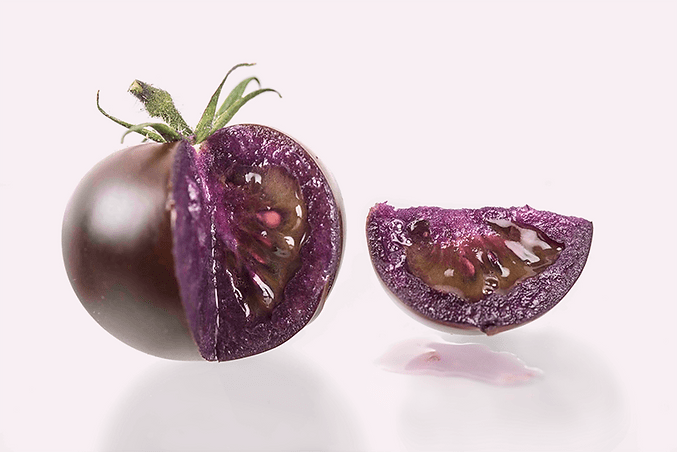
History has been made in the Food and Agriculture Industries. The Purple Tomato, a genetically engineered tomato-snapdragon hybrid, is an antioxidant, anthocyanin, and nutrition-rich fruit that has anti-inflammatory, anti-cancerous, and anti-viral properties. It has revolutionized the fruit by giving it properties only found in superfoods, making this a super tomato. Read on to understand what is so special about this tomato!

In the past, the United States has been extremely cautious about what GMOs are to be let into the country and which ones should be prohibited. Organic foods from foreign countries can bring in diseases that the US is simply not able to fight against. Whether it be the climate, the hygienic norms, or other reasons, some foods should not be distributed internationally. If a product that is genetically tampered with is being brought into the country, the diseases that may lie inside it could be some that have never been seen before, making the country more vulnerable than ever. Since the topic of even letting the product inside the country is so heavily debated, then the topic of letting that plant be grown and bred inside the country itself should be an obvious no, right? Well, the USDA approved the Purple Tomato on September 7th, making it the first time the USDA has approved a GMO plant designed to target human health.

Since 2008, Professor Cathie Martin from Norfolk Plant Sciences has been developing the Purple Tomato with one goal in mind. She wanted to “enable [her] ground-breaking plant research to make a positive impact in people’s lives”. Tomatoes are narrowly behind potatoes in being the best-selling vegetable. They are extremely relevant, showing up in many cultures around the world. Because of their impact on the world, Professor Martin wanted to help people through tomatoes. She mixed genes from the snapdragon flower into a tomato, and when it fully developed, it donned a deep purple color, along with an arsenal of nutritional benefits.

She tested these tomatoes by feeding mice. The control group was fed a normal, mainstream tomato, while the test group was fed the Purple Tomato. The mice from the test group lived for 30% longer on average. These mice were also highly susceptible to cancer, and while the mice from the control group suffered and died from it, the mice from the test group stayed unaffected. They didn’t develop any cancerous traits and lived a long life. Along with a longer shelf life, protection against diabetes, and antioxidants throughout the fruit, this tomato is too good to be true.

These tomatoes are entering the public market soon, and Norfolk Plant Sciences hopes to have them worldwide and grown by local farmers by the end of 2023. Lack of anthocyanin, antioxidants, and fiber will be ideas of the past as NPS’s Purple Tomato becomes the norm around the world. Do you think that GMOs like this one should rival the naturally occurring version of itself?

Sources:
https://www.bigpurpletomato.com/
https://newsforkids.net/articles/2022/10/11/us-approves-purple-tomatoes-with-changed-dna/
https://www.jic.ac.uk/press-release/norfolk-plant-sciences-welcomes-major-milestone-decision-on-purple-gm-tomatoes/

Breaking Down: Fiber

I’m sure you’ve heard of fiber before. The general information, how it helps with your digestive health, how it is essential to consume, and it is one of the things listed on the nutrition label of foods. Unlike proteins or sugars, the term “fiber” isn’t explained very well, almost as if you are just supposed to take a surface-level answer and deal with it. You need to be in charge of your own nutritional health, and because of that, it is important to be educated on what fiber is.

Fiber is a carbohydrate. This is probably a term you have heard before, as it is commonly used interchangeably with sugars. Though fiber is a carbohydrate, it is not a sugar. For something to be sugar, it has to be able to be broken down into simple sugars, if it isn’t already one. Examples of simple sugars are glucose, fructose, and galactose. There are others, but those are the most relevant, in order from most to least. Fiber can not be broken down into these sugars, instead, it passes through your digestive tract without being disassembled whatsoever.

If fiber cannot be broken down into energy, then why is it an important carbohydrate? Well, its rare quality of not being able to be broken down by your stomach acids is the reason why it is able to facilitate and check your sugar levels throughout your body. If you had food that has a lot of sugar, let’s say an apple, for example, the sugar can be quickly broken down and passed through. But because the apple also has fiber, all the nutrients are able to be digested at a normal speed, where your organs are not under excess pressure, it does not. Fiber is an important aspect of your body maintaining its homeostasis, which is when your body is able to stay at equilibrium.

Some fibers are able to be broken down by the waters in your body, while others are not. They each serve their own purpose, so it is important to consume both of them. Soluble fibers (the ones that can be broken down) are found in oatmeal, nuts, beans, apples, and blueberries. Insoluble fibers (the ones that cannot be broken down) are found in whole wheat, brown rice, green vegetables, and again, apples. Because they have been mentioned three times already, it is smart to assume that apples have a lot of fiber. They do! Whenever you are experiencing digestive problems, have an apple or two! Along with providing both types of fiber, it also provides sugars for energy and other nutrients for general health.

Now that you know what fiber is, what it does, and where it is found, you can safely say that you have more than a surface-level understanding of fiber. And even though this post is called “Breaking Down: Fiber”, remember that what makes fiber special is that it does not get broken down! Stay healthy and eat fiber!

Sources:
https://www.hsph.harvard.edu/nutritionsource/carbohydrates/fiber/
https://www.benefiber.com/fiber-in-your-life/daily-fiber-intake/top-10-high-fiber-foods/