Celebrating Three Years of Fast Food Fraud Food

Three years ago, Fast Food Fraud Food embarked on a journey to expose the hidden truths behind the food industry and provide insightful commentary on various aspects of our world. Today, as we celebrate our third anniversary, I look back with pride at the impact we’ve made and the community we’ve built. Our mission has always been to inform, educate, and inspire you readers through well-researched and thought-provoking content. Over the years, we’ve expanded our horizons, delving into diverse topics under categories such as “Breaking Down…,” “Future Generations,” “Latest in the Food Industry,” “Our World,” and “The Types Of…

One of the most popular categories in the early days of FFFF, “Breaking Down…“, offers in-depth analyses of complex issues. One standout piece is “Breaking Down the Real Cost of Fast Food.” This blog dissects the economic, health, and environmental costs of the fast food industry, revealing the hidden price tags behind those seemingly cheap meals. Another hit is “Breaking Down Organic vs. Conventional Farming,” where I scrutinize the benefits and drawbacks of both farming methods, providing readers with a balanced perspective on this contentious topic. Also worth noting are “Breaking Down Food Labeling Laws,” which uncovers the often misleading labels on food products, and “Breaking Down the Farm-to-Table Movement,” exploring the journey of food from its origin to our plates.

In the “Future Generations” category, I’ve dedicated postings to exploring the challenges and opportunities facing the youth of today and tomorrow. “Rethinking School Lunches for Future Generations” has resonated deeply with our readers, as it discusses the importance of nutritious school meals and the role they play in shaping the health and habits of children. Another noteworthy blog is “Sustainable Eating Habits for Future Generations,” which emphasizes the need for eco-friendly dietary practices and how they can be instilled from a young age. Additionally, “Teaching Kids About Food Waste” focuses on educating the younger generation about the importance of reducing food waste, while “Future Generations and Food Security” delves into ensuring a stable food supply for the years to come.

Our “Latest in the Food Industry” section keeps readers updated on current trends and innovations. “The Rise of Plant-Based Meat Alternatives” has been a significant hit, reflecting the growing interest in vegetarian and vegan options. This blog explores the science behind these products and their potential to revolutionize the food industry. Additionally, “Technological Advancements in Food Safety” sheds light on the latest technologies ensuring the safety and quality of our food, a topic of utmost importance to consumers. I also recommend “Trends in Food Delivery Services,” examining the surge in online food delivery platforms, and “The Future of Lab-Grown Meat,” exploring the potential and challenges of cultured meat products.

The “Our World” category takes a broader look at global issues and their intersections with the food industry. “The Global Impact of Food Waste” is one of our most-read blogs, highlighting the staggering amounts of food wasted worldwide and proposing actionable solutions. “Climate Change and Its Effect on Agriculture” is another impactful piece, exploring how shifting climate patterns are affecting food production and what measures can be taken to mitigate these effects. Other noteworthy blogs include “Global Food Inequality,” which discusses the disparity in food access and distribution across different regions, and “The Role of Bees in Our Food Supply,” highlighting the crucial importance of bees in pollination and food production.

Lastly, “The Types Of…” category delves into the diversity of food and eating practices. “The Types of Diets: A Comprehensive Guide” offers readers a detailed look at various dietary lifestyles, from ketogenic to Mediterranean, helping them make informed choices. “The Types of Food Fraud and How to Spot Them” has been particularly popular, educating readers on the different forms of food fraud and providing tips on how to protect themselves from such deceptions. Also worth exploring are “The Types of Superfoods and Their Benefits,” providing insights into nutrient-dense foods, and “The Types of Food Allergies and Intolerances,” offering guidance on managing and understanding food-related health issues.

One my main goals with FFFF is to remove the popularity of buzz words on the consumer side and reduce the effect of false advertising on the choices we make. As we celebrate three years that have amassed 100 Fast Facts, 42 Blog posts, hundreds of followers on Instagram and X, and hundreds more readers across the world, I thank you for being a part of the Fast Food Fraud Food community!

Sources:
https://fastfoodfraudfood.org/
https://fastfoodfraudfood.org/blogs/
https://x.com/fastfoodfraud
https://www.instagram.com/fastfoodfraudfood/
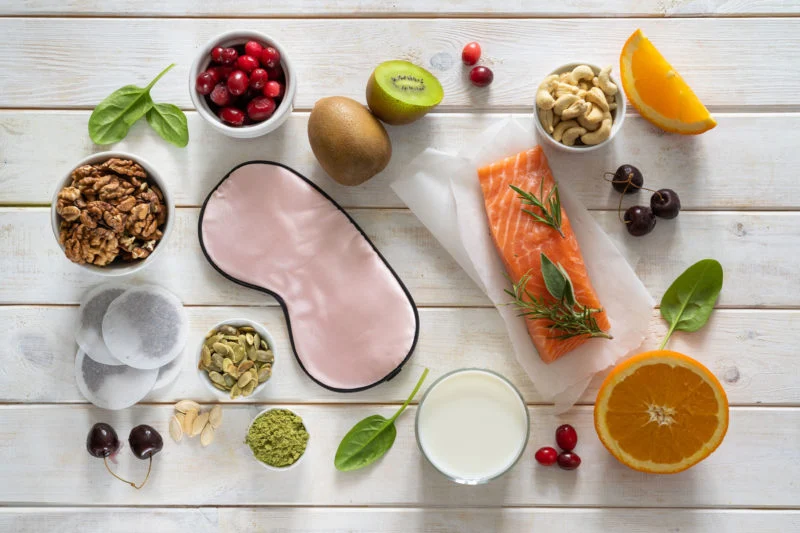

Diet and Sleep

The relationship between diet and sleep is a complex but significant one. What you eat and when you eat it can profoundly impact the quality and duration of your sleep. Different dietary choices and meal timings can enhance your sleep quality. Both of these aspects of your lifestyle affect each other bidirectionally. You need to have a moderate understanding of their relationship to better your quality of life.

Sleep patterns, or circadian rhythms, are influenced by various factors including light exposure, physical activity, and diet. Famous athlete Erling Haaland wears blue light glasses from sunset to the time he sleeps as to not interrupt these cycles. Good sleep is characterized by a consistent schedule, sufficient duration, and good quality, allowing the body to go through all sleep stages, including deep sleep and REM sleep. Disruptions in sleep patterns can lead to health issues such as weakened immunity, impaired cognitive function, and increased stress levels.

The timing of meals can significantly affect sleep quality. It is generally recommended to have a regular eating schedule, with meals spaced evenly throughout the day. Breakfast should be eaten within an hour of waking up to kickstart the metabolism. Lunch should be consumed around midday to maintain energy levels. Dinner should ideally be eaten at least three hours before bedtime to allow for proper digestion, as eating too close to bedtime can cause discomfort and disrupt sleep.

Breakfast is crucial for setting the tone for the day and can influence sleep quality at night. Foods rich in complex carbohydrates, proteins, and healthy fats are ideal for breakfast. Whole grains, such as oatmeal, provide sustained energy. Protein sources like eggs or yogurt can help keep you full longer. Including fruits and vegetables adds essential vitamins and minerals that support overall health. Avoiding sugary cereals or pastries helps prevent energy crashes later in the day. Dinner should consist of foods that are easy to digest and conducive to relaxation. Lean proteins, such as chicken or fish, paired with complex carbohydrates like quinoa or sweet potatoes, can promote the production of serotonin, a neurotransmitter that helps regulate sleep. Vegetables such as leafy greens and cruciferous vegetables are also beneficial. It’s best to avoid heavy, spicy, or fatty foods in the evening, as these can cause indigestion and interfere with sleep.

Staying hydrated is important, but the timing and type of beverages consumed can affect sleep. Water should be the primary source of hydration throughout the day. Limiting caffeine intake to the morning can prevent sleep disturbances, as caffeine can stay in the system for several hours. Herbal teas, such as chamomile or peppermint, can be soothing and promote relaxation in the evening. It’s also advisable to limit alcohol consumption, as it can disrupt sleep cycles and reduce sleep quality.

Midnight snacking can disrupt sleep and contribute to poor sleep quality. To resist the urge, ensure that meals throughout the day are balanced and fulfilling. Including a healthy snack in the evening, such as a small portion of nuts or a piece of fruit, can help curb late-night hunger. Keeping unhealthy snacks out of reach and establishing a relaxing bedtime routine can also reduce the temptation to snack. Drinking a glass of water or a cup of herbal tea can help if you feel hungry late at night.

Diet plays a crucial role in sleep quality and overall health. By understanding basic sleep patterns, timing your meals appropriately, choosing the right foods for breakfast and dinner, staying hydrated with the right beverages, and resisting midnight snacking, you can improve your sleep patterns and enhance your well-being. Making these dietary adjustments can empower you to achieve better sleep and a healthier lifestyle.

Sources:
https://www.sleepfoundation.org/nutrition
https://sph.umich.edu/pursuit/2024posts/best-diet-for-healthy-sleep.html
https://www.hopkinsmedicine.org/health/wellness-and-prevention/better-sleep-3-simple-diet-tweaks
https://www.ncbi.nlm.nih.gov/pmc/articles/PMC9859770/
https://www.manchestereveningnews.co.uk/sport/football/football-news/man-city-erling-haaland-glasses-27433451

To Be Healthy and Humane: Cows

The fast-food industry is constantly under scrutiny for its sourcing practices and the quality of ingredients used. Humans are omnivores, which means that these ingredients used could be crops grown but they could also be animals. These animals are living creatures, and they should be raised humanely. About 20% of all the land on the planet is used for livestock, which is 53% of all agricultural land. As the human race, how should we balance our own health with the respectful and proper treatment of our fellow inhabitants of Planet Earth?

The Tragedy of the Commons is a principle that highlights how individual users, acting independently according to their self-interest, can ultimately deplete a shared resource, leading to the detriment of the entire group. In biological terms, this principle is often observed in ecosystems where overuse of a particular resource—be it grazing land, fisheries, or water sources—leads to degradation and collapse of the ecosystem. This concept is crucial in understanding how practices like overharvesting and unsustainable farming can lead to long-term negative outcomes for both the environment and the economy. One classic example of the Tragedy of the Commons is overfishing in the world’s oceans. Individual fishermen, seeking to maximize their catch, often ignore quotas and regulations, leading to the depletion of fish stocks. This overexploitation not only threatens the survival of certain fish species but also disrupts entire marine ecosystems and the communities that rely on them for food and livelihood. Another example is deforestation in the Amazon rainforest. Farmers and loggers, driven by the immediate economic benefits of clearing land for agriculture or timber, contribute to the widespread destruction of the forest. This practice leads to loss of biodiversity, disruption of water cycles, and contributes to climate change, affecting global environmental health.

Taco Bell has faced criticism for allegedly using older cows in their beef products. According to a report by the Daily Dot, Taco Bell’s beef is often sourced from cows that are past their prime reproductive age, which can impact both the quality and nutritional value of the meat used in their products.

In the fast-food industry, cows are typically slaughtered at an older age compared to those used by traditional butchers. According to a report from Daona Wagyu, fast-food chains often use cows that are around 5 to 6 years old, as they are cheaper and still provide adequate meat yields. In contrast, butchers and high-end meat suppliers generally prefer younger cows, slaughtering them between 18 months to 3 years of age. Younger cows are favored for their tenderness and superior taste, making them more desirable for premium cuts of beef.

The age of the cow significantly impacts the taste, texture, and nutritional value of the beef. Younger cow beef is known for its tenderness, juiciness, and rich flavor. The muscle fibers are less developed, resulting in a softer texture that is highly prized in the culinary world. Nutritionally, younger beef tends to have higher levels of intramuscular fat, contributing to a richer taste and better mouthfeel. On the other hand, beef from older cows tends to be tougher and less flavorful. The meat is often leaner and can have a more pronounced, sometimes gamey flavor, which is not as universally appealing. Nutritional differences may include higher protein content but lower fat levels, making it less desirable for certain cooking methods that rely on fat for flavor and moisture.

Age also plays a crucial role in the quality of meat from other animals. For instance, “baby back ribs” come from younger pigs and are known for their tenderness and mild flavor, compared to spareribs from older pigs, which are tougher and have a stronger taste. Lamb is another example, with “spring lamb” being particularly sought after for its delicate flavor and tender texture, unlike meat from older sheep, which can be tougher and have a more robust flavor. Choosing younger, more tender meat from animals like cows, pigs, and lambs can lead to a more enjoyable culinary experience, but it also raises important ethical considerations. The practice of using older animals in the fast-food industry can be seen as a way to reduce waste and maximize resource use. However, it is essential to balance these practices with humane treatment of animals and sustainable resource management. By being mindful of where our food comes from and how it is produced, consumers can make choices that are not only healthier for themselves but also more humane and sustainable for the planet.

While restaurants like Taco Bell should not be treated as a frequent place to gain sustenance from, their sourcing of cows is admirable. It might be cheaper to slaughter a cow after 24 months of life, but they do not do that. This sacrifice shows that even in the massive industry of fast food, you can remain competitive while providing respect to the 300 million cows slaughtered each year.

Sources:
https://www.dailydot.com/news/taco-bell-beef-quality/
https://www.daonawagyu.com/blog/blog-post-title-four-wde5f/
https://www.texasmonthly.com/bbq/old-cows-texas-steaks-heartbrand/
https://clear.ucdavis.edu/explainers/cattle-and-land-use-differences-between-arable-land-and-marginal-land-and-how-cattle-use
https://sentientmedia.org/how-many-cows-are-killed/

Fast Food’s Service Industry

The fast-food industry stands as a behemoth in the service sector, with millions employed worldwide. According to recent statistics, over 13.1 million people are employed in fast food establishments throughout the world, highlighting its significant presence in the job market. Although this is such an important component of part-time employment, there are many issues with it. Read on to learn more about fast food employment.

The demographic of entry-level workers in fast food is diverse and often comprises young individuals seeking their first job experience. Teenagers and young adults, often students or those looking for part-time employment, form a considerable portion of the workforce. However, it’s important to note that fast food jobs are not exclusively held by the youth; individuals from various age groups, including retirees and those in transition between careers, also contribute to this workforce. The entry-level positions in fast food typically require minimal skills and qualifications, making them accessible to a wide range of individuals seeking employment opportunities.

However, the future of fast food employment is at risk; primarily due to automation and technological advancements. The use of self-ordering kiosks, robotic food preparation systems, and even automated delivery mechanisms, could replace the jobs of cashiers, cooks, and servers. While this may streamline processes and reduce labor costs for employers, it raises concerns about the potential displacement of human workers and the need for retraining or upskilling to remain employable in the industry. To summarize, this is not a sustainable career path as technology revolutionizes.

Job stability in the fast-food sector has long been a subject of debate, particularly in the context of the ongoing battle over minimum wage legislation. Many fast-food workers find themselves trapped in low-wage jobs with limited opportunities for advancement or wage increases. The push for higher minimum wages has been met with resistance from some within the industry, citing concerns about increased operational costs and potential job losses. However, advocates argue that raising the minimum wage is essential for ensuring the financial stability and well-being of fast-food workers, many of whom struggle to make ends meet on their current earnings.

The impending $20 minimum wage law in California has sparked preemptive actions by fast-food chains, resulting in job cuts and layoffs as they brace for potential financial ramifications. Pizza Hut and other chains have begun discontinuing delivery services and laying off workers, citing rising operating costs. The move has raised concerns about job stability and the broader impact on the fast-food industry workforce. As businesses adapt to the changing landscape, there’s a shift towards third-party delivery services, potentially altering the employment dynamics within the sector. The wage law’s exemption criteria have also stirred controversy, with allegations of political favoritism surfacing. Amidst debates over the economic implications, stakeholders grapple with the challenges of maintaining profitability while ensuring fair wages for workers in the fast-food service industry.

Despite the challenges and uncertainties within the fast-food industry, there are alternative job opportunities available to workers with similar skill sets. Other service-oriented industries, such as retail, hospitality, and customer service, often require comparable skills in areas such as customer interaction, food handling, and multitasking. Additionally, roles in food service management, catering, and culinary arts present avenues for career advancement and professional development beyond entry-level positions in fast food.

In conclusion, the fast-food industry plays a significant role in the service sector, employing millions of individuals worldwide. The demographic of entry-level workers is diverse, comprising primarily young individuals seeking their first job experience. However, future trends indicate a shift towards automation, raising concerns about job displacement and the need for retraining. Job stability remains a challenge. Nonetheless, alternative job opportunities exist within related industries, providing avenues for career advancement and professional growth for fast-food workers. As the industry continues to evolve, addressing these issues will be crucial in ensuring the well-being and prosperity of its workforce.

Sources:
https://www.ibisworld.com/global/industry-trends/biggest-industries-by-employment/
https://www.foxbusiness.com/fox-news-food-drink/california-food-chains-laying-off-workers-ahead-new-minimum-wage-law

Microplastics in Our Food

Microplastics have become a concern to our world, infiltrating many aspects of our environment, including the food we consume. These tiny plastic particles, often invisible to the naked eye, have raised alarms due to their potential impacts on human health and the ecosystem. Understanding what microplastics are, their effects, and how they find their way into our food supply is crucial for addressing this emerging issue.

The definition of a microplastic is a small plastic particle, typically measuring less than 5 millimeters in size. These plastics can originate from a variety of sources, including the breakdown of larger plastic debris, microbeads used in personal care products, and fibers shed from synthetic clothing. These particles can persist in the environment for extended periods, accumulating in water bodies, soil, and even the air.

Microplastics pose a range of threats to both environmental and human health. In the environment, they can be ingested by marine life, leading to physical harm, blockages in digestive systems, and potential transfer through the food chain. Moreover, microplastics can adsorb and transport harmful chemicals and pathogens, exacerbating their impacts on organisms. We are warned not to litter plastics because they can take centuries to decompose; we litter microplastics without even realizing. What’s worse: microplastics can get in anything and everything. They can also come from anything an everything. It is extremely difficult to negate the spread of microplastics and scientists are still innovating on how to solve this problem.

In terms of human health, there is growing concern about the ingestion of microplastics through food and water. While the full extent of their health effects is still being researched, potential risks include inflammation, disruption of gut microbiota, and the introduction of harmful chemicals into the body. An extremely haunting fact about microplastics is that when researchers were attempting to find the exact effects of ingesting microplastics, they could not find a control group. For those unfamiliar with scientific procedure, a control group is a sample that will be used to compare to another sample that will be experimented on. Scientists intended to compare a human with no microplastics in their bodies to someone that did, but they were not able to find a single data set of the former.

Microplastics have been found in a variety of food items, including seafood, salt, honey, and even drinking water. Seafood, in particular, is a major source of microplastic exposure for humans, as marine organisms can ingest these particles and accumulate them in their tissues. Additionally, plastic packaging and processing equipment can introduce microplastics into food products during manufacturing and preparation.

Reducing the intake of microplastics requires both individual and collective actions. Consumers can opt for fresh, minimally processed foods whenever possible, as these are less likely to contain microplastic contaminants from packaging and processing. Choosing products with minimal plastic packaging and avoiding single-use plastics can also help reduce the overall prevalence of microplastics in the environment. Furthermore, supporting initiatives aimed at reducing plastic pollution, such as beach clean-ups and waste management improvements, can contribute to mitigating the spread of microplastics in food and the environment. Policy measures, such as bans on microbeads and stricter regulations on plastic production and disposal, are also essential for addressing this issue effectively.

Microplastics represent a significant environmental and public health concern, with implications for both ecosystems and human well-being. As these tiny plastic particles continue to pervade our environment and food supply, it is crucial to take proactive measures to mitigate their impacts. By raising awareness, implementing sustainable practices, and advocating for policy changes, we can work towards reducing the prevalence of microplastics in our food and safeguarding both our health and the planet for future generations.

Sources:
https://oceanservice.noaa.gov/facts/microplastics.html
https://www.clientearth.org/latest/news/microplastics-what-are-they-and-why-are-they-a-problem/
https://medshadow.org/the-impact-of-microplastics-cant-be-studied-because-there-is-no-control-group/
https://www.ncbi.nlm.nih.gov/pmc/articles/PMC10390371/

Breaking Down: Caffeine

On average, approximately 90% of adults worldwide consume caffeine in various forms, making it one of the most widely consumed psychoactive substances. The average daily caffeine intake for an adult in the United States is estimated to be around 200 milligrams, equivalent to about two cups of coffee. But how many truly understand what it is, or more importantly: what it does?

Caffeine has found its way into various products, including energy drinks that can pose potential health risks. Sarah Katz was a 21-year-old, diagnosed with long QT syndrome (LQTS), who experienced cardiac arrest after consuming Panera Bread’s “Charged Lemonade,” which contained caffeine, coffee extract, and guarana extract. The lawsuit alleges that Panera misled consumers by not adequately labeling the beverage as an energy drink and emphasized the lack of clear size comparisons with their Dark Roast coffee, potentially contributing to Katz’s unintentional consumption of a dangerous amount of caffeine. The incident underscores the importance of transparent labeling and the potential risks associated with the unregulated caffeine content in some energy drinks. Katz was withheld from being able to make an accurate decision, which tragically led to her death.

Caffeine, a natural stimulant found in coffee, tea, and various plants, is commonly consumed worldwide for its alertness-inducing effects. In the case of energy drinks, high caffeine content can be problematic, especially for individuals with underlying health conditions. With a daily safe limit set by the US FDA at around 400 milligrams for healthy adults, it is crucial for consumers to be aware of their caffeine intake and for companies to provide clear information on product labels to prevent unintended consequences. Caffeine is a substance that has been used since the beginning of cultivation. From the day tea leaves were discovered and properly used, the effects of caffiene have affected society. But in the modern age of unhealthiness, it has become an obstacle.

In seeking alternative methods for maintaining energy levels, one avenue lies in choosing foods that promote sustained vitality. A well-balanced diet rich in complex carbohydrates, lean proteins, and healthy fats can provide a steady release of energy throughout the day. Incorporating whole grains, fruits, vegetables, and nuts into one’s diet offers essential nutrients and minimizes energy crashes, offering a more sustainable source of vitality than relying solely on caffeine-laden beverages.

Beyond dietary considerations, adopting alternative lifestyle choices can significantly impact one’s energy levels. Regular physical activity, including exercises such as walking, jogging, or yoga, promotes cardiovascular health and enhances overall endurance. Prioritizing adequate sleep, managing stress through mindfulness practices, and staying properly hydrated are essential lifestyle factors that contribute to sustained energy. By integrating these alternatives into daily routines, individuals can foster a comprehensive approach to maintaining vitality without relying solely on stimulants like caffeine. If you have caffeine or stimulus sensitivity, make sure you know what is right for you. In situations like Katz’s, there was nothing she could have done.

Staying informed about food choices, particularly those containing caffeine, is vital for making health-conscious decisions. Awareness of the potential risks associated with energy drinks and their ingredients empowers individuals to choose beverages that align with their health needs. Reading product labels, understanding the recommended daily limits, and staying updated on nutritional information contribute to a more informed consumer base. It is essential for companies to uphold transparency in their marketing and labeling practices, ensuring that consumers can make informed decisions about the products they choose to consume, preventing tragic incidents like the one involving Sarah Katz.

PS: Happy New Year!

Sources:
https://www.cnn.com/2023/10/23/business/panera-lawsuit-charged-lemonade-death/index.html
https://www.betterhealth.vic.gov.au/health/healthyliving/caffeine

Morsels of Metal: What’s In Your Chocolate?

Indulging in a piece of chocolate, often perceived as a delightful escape, might not be as sweet as it seems. In a recent investigation by Consumer Reports, a staggering revelation emerged – a third of chocolate products tested contained concerning levels of lead or cadmium, heavy metals with potential health repercussions. This unsettling discovery prompts us to delve into the impact of these metals on our bodies and explore strategies for both consumers and manufacturers to navigate this bitter (like dark chocolate) reality.

While metals like lead and cadmium are essential to our bodies in trace amounts, excessive exposure can lead to severe health issues. Suggested serving sizes will be mentioned soon – keep reading! The risks are particularly alarming for children and pregnant women, as these heavy metals can impair brain and nervous system development, causing developmental delays and learning problems. Even adults are not exempt, facing potential complications such as immune system suppression, reproductive issues, and hypertension due to frequent lead exposure. To learn more about hypertension, check out my blog posted on 11/26/2023: “How Your Diet Can Save Your Life“. As chocolate, a beloved treat for many, is revealed to harbor these metals, it becomes crucial to understand the short and long-term implications on our health.

In the face of this unsettling revelation, consumers can adopt short-term strategies to control their chocolate intake and mitigate heavy metal exposure. Opting for dark chocolates with lower metal levels, such as Divine 70% Deliciously Smooth Dark Chocolate and Sam’s Choice Dark Chocolate 85% Cocoa, can be a safer choice. For those who prefer milk chocolate, it’s reassuring that none of the five milk chocolate bars in Consumer Reports’ latest test exceeded the recommended limits. Moderation emerges as a key principle, especially for vulnerable groups like children and pregnant women, urging them to consume dark chocolate sparingly.

A general rule of thumb is that dark chocolates with higher percentages of cocoa have higher percentages of lead and cadmium. Lindt, Alter Eco, and Pascha have on average double the limit of cadmium you should have in a day. Lindt and Trader Joe’s also have an excess of lead. But the brand that leads the pack in lead composition is Hershey’s, a staggering 253% of your daily limit in one serving. Hershey’s has been a worldwide giant in the chocolate industry since its early days, currently holding the #3 spot in America. It is baffling how such a large company is able to get away with distributing chocolate this unsafe.

Food manufacturers may also adopt proactive measures to address heavy metal contamination. Urging companies to source chocolate from areas with low cadmium soil levels, enhance cocoa harvesting, processing, and cleaning procedures, represents a viable long-term solution. Companies should no longer be allowed to get by selling toxic foods. People already make the conscious choice to eat these unhealthy desserts, but they should not be facing any more of a consequence than they already are.

As we unwrap the layers of this bitter truth about heavy metals lurking in our beloved chocolate, the responsibility falls on both consumers and manufacturers to navigate this conundrum. While immediate adjustments in consumption habits can reduce personal exposure, a lasting solution necessitates the chocolate industry’s commitment to minimizing heavy metal content. In this pursuit, transparency, responsibility, and a shared commitment to prioritizing consumer health become the cornerstones of a sweeter, safer chocolate indulgence.

Sources:
https://www.consumerreports.org/health/food-safety/lead-and-cadmium-in-dark-chocolate-a8480295550/
https://www.health.harvard.edu/heart-health/heavy-metals-found-in-popular-brands-of-dark-chocolate
https://www.usatoday.com/story/money/food/2023/10/25/chocolate-candy-test-high-lead-cadmium-levels/71312259007/

How Your Diet Can Save Your Life

Can your diet save your life? While we are already aware that our physical health and the food we eat are heavily intertwined, one area where this connection resonates deeply is the relationship between our dietary habits and cognitive health.The intricate relationship between diet and overall health has been widely acknowledged, with a balanced diet being crucial for preventing various diseases. Recent studies delve into the specific impact of diet on brain health, particularly in mitigating the risk of Alzheimer’s disease.

The Mediterranean diet, renowned for its emphasis on fruits, vegetables, whole grains, and healthy fats, has long been associated with numerous health benefits. According to a source from University Hospitals, this dietary pattern, when adhered to, may play a pivotal role in reducing the risk of dementia and cognitive decline. The diet’s inclusion of antioxidant-rich fruits and vegetables, omega-3 fatty acid-packed fish, and heart-healthy olive oil aligns with recent research indicating that these components can mitigate inflammation, protect against cell damage, and slow down the aging process of the brain.

A DASH diet focuses on lowering blood pressure. Hypertension, the scientific name for high blood pressure, and high cholesterol are major problems that affect brain function as well as physical health. In order to mitigate these issues so they do not grow to cause heart disease or stroke, some doctors recommend the DASH diet. The Dietary Approaches to Stop Hypertension guarantees ample potassium, calcium, and magnesium. Vegetables, fruits and whole grains, low-fat dairy products, fish, poultry, beans and nuts are all healthy ways to keep these macronutrients in a healthy range. Another important aspect of the DASH diet is limiting sodium to 2300 mg (about 1tsp of table salt) a day.

The MIND diet, a combination of the Mediterranean and DASH diets, takes this concept further by incorporating specific brain-boosting foods. This dietary intervention is not merely about nourishing the body but actively nurturing brain health. As discussed in another source, the MIND diet includes colorful fruits and vegetables, berries, fish, nuts, seeds, legumes, and whole grains—foods that have demonstrated the ability to prevent cell damage, reduce inflammation, and promote overall cognitive well-being.

Rich in carotenoids, these foods include carrots, squash, sweet potatoes, bell peppers, tomatoes, papaya, apricots, and leafy greens. Research indicates that the pigments responsible for their vibrant colors are associated with better brain health and a lower risk of dementia. Blueberries, blackberries, and raspberries, packed with antioxidants and flavonoids, are recognized for preventing cell damage and stopping the progression of brain damage from free radicals. Additionally, they are naturally low in sugar compared to other fruits.

Fatty fish, such as tuna and salmon, are excellent sources of omega-3 fatty acids. Consuming these acids, especially docosahexaenoic acid (DHA), is linked to good brain health and a reduced risk of cognitive decline. These foods contain a plethora of brain-boosting nutrients, including antioxidants, omega-3 fatty acids, vitamin E, B vitamins, choline, magnesium, and zinc.

Walnuts, almonds, peanuts, soybeans, lentils, flax seeds, and pumpkin seeds are all recommended choices for promoting brain health. Quinoa, barley, brown rice, and oats, rich in fiber and B vitamins, can reduce inflammation in the brain, supporting memory and warding off dementia. Now you’ve heard me say “inflammation” a few times. But what is inflammation, and how does it relate to cognitive disorders?

Chronic inflammation, characterized by persistent activation of the immune system, is associated with various health conditions, including neurodegenerative diseases like Alzheimer’s. Inflammation in the brain can contribute to the damage of neural cells and the progression of cognitive decline. Red meat, desserts, sweets, sugary beverages, refined grains, processed, fried, and fast foods, along with excessive alcohol consumption, are identified as potential culprits. While these foods need not be entirely eliminated, moderation and replacement with healthier alternatives are advisable for maintaining optimal brain health.

In conclusion, your diet has a pivotal role in fortifying the mind against diseases like Alzheimer’s. Drawing from the Mediterranean diet, the MIND diet, and specific brain-boosting foods, it becomes evident that a well-rounded and nutrient-rich diet can serve as a powerful tool in preventing cognitive decline. While there may be no guaranteed method to reverse Alzheimer’s disease, the amalgamation of a brain-boosting diet, regular exercise, mental stimulation, and overall health monitoring can contribute to maintaining cognitive health as individuals age.

Sources:
https://www.nytimes.com/2022/04/21/well/mind/dementia-prevention-food-diet.html
https://www.alzheimers.org.uk/about-dementia/risk-factors-and-prevention/how-reduce-your-risk-alzheimers-and-other-dementias
https://www.alzheimers.org.uk/about-dementia/risk-factors-and-prevention/mediterranean-diet-and-dementia
https://www.mayoclinic.org/healthy-lifestyle/nutrition-and-healthy-eating/in-depth/dash-diet/art-20048456
https://www.uhhospitals.org/blog/articles/2023/01/5-brain-boosting-foods-that-can-fight-dementia

Dia De Los Muertos (Day of the Dead)

Whether it be the stunning sugar skills pictures above, or the colorful parades in the streets of Mexico, el Dia de los Muertos is a beatiful holiday which presents diverse cuisine and a glimpse into the culture. Halloween’s cuisine, albeit a more famous one, consists of chocolate bars and blocks of sugar that do not resemble a skull in any way. Its less famous cousin is never lacking in calaveras: the Spanish word for sugar skulls.

The Day of the Dead is a Mexican holiday celebrated each year from October 31 to November 2, in which families welcome back the souls of deceased relatives for a brief reunion. Blending Mesoamerican ritual, European religion, and Spanish culture, the holiday has origins dating back 3000 years to Aztec traditions honoring the dead in the summer month. When Spanish conquistadores arrived in Mexico in the 1500s, they brought All Saints’ Day and All Souls’ Day celebrations from medieval Europe, which were incorporated with existing death-related festivities. Today, the holiday involves family gatherings at gravesites or altars in homes, with offerings of the deceased’s favorite foods and drinks. Decorations feature skulls, skeletons, marigolds, and the bread pan de muerto. Key symbols include La Calavera Catrina, an elegant skeleton in fancy clothes representing Mexicans embracing their heritage. While increasingly celebrated globally, the holiday maintains its core focus on remembering and celebrating departed loved ones.

Some of the key savory dishes associated with Day of the Dead celebrations include mole negro, a complex chile-based sauce; tamales, masa stuffed with fillings and steamed in corn husks; red pozole, a spicy meat and hominy stew; sopa azteca, a tortilla soup with avocado, cheese, and other toppings; and chapulines, roasted grasshoppers seasoned with garlic, lime, and salt. Regional savory foods like calabaza en tacha, a candied pumpkin dish, are also featured. These hearty, protein-rich dishes provide sustenance during the long nights of honoring deceased loved ones and represent cultural traditions passed down through generations. Their preparation and consumption helps celebrate the cycle of life and death.

The holiday features an array of sweet foods and desserts like sugar skulls, the decorative calaveras; pan de muertos, a sweet bread with bone-shaped decorations; calabaza en tacha, candied pumpkin; flan, a creamy egg custard; alegrias, puffed amaranth treats; and pepitorias, candies made of pumpkin seeds and sugar. Other sweets include atole, a cornstarch-based drink flavored with cinnamon; champurrado, chocolate-flavored atole; Mexican hot chocolate spiced with cinnamon and chili powder; and horchata, a sweet rice milk. These confections provide a touch of sweetness while honoring deceased loved ones. Their bright decorations and inclusion on the ceremonial altars represent the sweetness of life and hope for the departed’s peaceful journey.

Dia de los Muertos is such an influential holiday that statista.com reports upwards of 74% of Mexican people celebrating this holiday! The level of unity that this occasion brings is almost unparalleled. To all those celebrating: feliz dia de muertos, and to those not celebrating: try a new tradition this year!

Sources:
https://www.cozymeal.com/magazine/day-of-the-dead-food
https://www.history.com/topics/halloween/day-of-the-dead
https://www.statista.com/statistics/1274308/mexico-distribution-people-celebrate-dia-de-muertos/

Modern Effects of Bioengineering on Food

In recent decades, bioengineering has revolutionized the agricultural industry, ushering in a new era of food production and consumption, and sustainability. While we continue to face issues with disease, worker shortages, and poor funding of farms, the future is in bioengineering; a future where food can be revolutionized.

One of the most prominent examples of the modern effects of bioengineering on food is the development of seedless watermelon. Traditional watermelons contain black seeds that contribute to their reproduction and genetic diversity. However, the presence of seeds can be bothersome to consumers, leading to discomfort while eating and the need to spit them out. In the 20th century, scientists began experimenting with hybridization techniques to develop seedless watermelon varieties.

Among many methods, the most interesting is chromosome duplication. This method is a breeding technique used to create seedless watermelons. It involves crossbreeding a diploid watermelon plant (with two sets of chromosomes) with a tetraploid watermelon plant (with four sets of chromosomes). The resulting seeds grow into triploid watermelon plants (with three sets of chromosomes) that are sterile and cannot produce viable seeds. However, they can produce fruit with underdeveloped, soft, or white seed coats, making them seedless or nearly seedless. This basic biology lead to a massive innovation in the food industry.

The introduction of seedless watermelon is a testament to the positive impact of bioengineering on food production. With traditional watermelon varieties, farmers had to carefully manage pollination to prevent crossbreeding, which could result in seeded fruits. This process was labor-intensive and required meticulous planning. However, seedless watermelon plants do not produce fertile seeds, eliminating the risk of crossbreeding and simplifying cultivation practices. Moreover, seedless watermelon plants tend to be more robust and disease-resistant, leading to higher crop yields and reduced reliance on pesticides. As a result, farmers can produce larger quantities of watermelon, meeting the rising demand from consumers. This increase in productivity has not only benefited farmers economically but has also contributed to more stable food supplies.

The availability of seedless watermelons has significantly influenced consumer behavior. The absence of seeds has made the fruit more appealing to a broader audience, including children and those who previously disliked dealing with seeds. Consequently, seedless watermelons have become more popular than their seeded counterparts, leading to shifts in consumer preferences and purchasing patterns. Furthermore, the rise of seedless watermelons reflects the increasing consumer demand for convenient and easy-to-consume foods. In today’s fast-paced world, people often prioritize convenience over traditional values, and seedless watermelons perfectly align with this preference. This trend has prompted food producers to explore bioengineering methods to create other seedless or easy-to-eat fruits and vegetables, expanding the range of convenient options available to consumers.

While the advent of seedless watermelon and other bioengineered crops has offered significant benefits, there are also concerns regarding the long-term sustainability of such practices. Critics argue that bioengineering might lead to a reduction in genetic diversity within crop populations, making them vulnerable to pests, diseases, and environmental changes. Moreover, the widespread adoption of bioengineered crops raises questions about potential cross-contamination between genetically modified and non-genetically modified crops, threatening the integrity of organic and conventional farming practices. It is crucial to establish strict regulations and measures to prevent unintended consequences and ensure the coexistence of different farming methods.

The development and widespread adoption of seedless watermelon serve as a powerful example of the modern effects of bioengineering on food production and consumption. Bioengineering has allowed for the creation of crops with improved qualities, such as seedlessness, which cater to changing consumer preferences and increase food productivity. However, it is essential to strike a balance between the benefits of bioengineering and potential environmental and sustainability risks. The future is exciting!

Sources:
https://cucurbitbreeding.wordpress.ncsu.edu/watermelon-breeding/seedless-watermelon-breeding/
https://www.ksat.com/news/local/2022/02/14/what-is-a-bioengineered-food-and-why-do-some-food-packages-now-have-that-label/
https://ag.purdue.edu/gmos/why-gmos.html