Breaking Down: Steroids

Steroids have gained a poor reputation as “drugs” that athletes use to gain an unfair advantage over their opponents. But as most drugs are, they have an important role to play in medicine and human health as well! However, it is a bit complicated, so buckle in!

Steroids are a class of organic compounds characterized by a core structure of four fused carbon rings—three cyclohexane rings and one cyclopentane ring—known collectively as the cyclopentanoperhydrophenanthrene nucleus. Chemically, this rigid backbone is modified by the addition of various functional groups, leading to a wide diversity of steroid molecules. They are lipophilic (fat-soluble), allowing them to easily pass through cell membranes and bind to intracellular receptors, often functioning as signaling molecules that influence gene expression.

In the human body, steroids serve critical physiological functions. The most well-known naturally occurring steroids include cholesterol, cortisol, testosterone, estradiol, and aldosterone. Cholesterol is a foundational steroid that serves as a precursor for all other steroid hormones and is essential in maintaining the structural integrity of cell membranes. Cortisol, produced by the adrenal glands, is involved in stress response and metabolism regulation. Sex hormones like testosterone and estradiol regulate reproductive systems, sexual development, and secondary sex characteristics. Aldosterone, another adrenal steroid, plays a key role in regulating blood pressure and electrolyte balance.

To explain steroids more technically, they operate as ligands for nuclear hormone receptors. Once inside the cell, a steroid hormone binds to its specific receptor, forming a hormone-receptor complex that translocates to the nucleus. There, it acts as a transcription factor, modulating the expression of target genes. This genomic signaling mechanism explains why steroid effects are slower to onset but longer-lasting than those of neurotransmitters or peptide hormones.

Steroids have significant medical applications. Corticosteroids, such as prednisone or dexamethasone, are synthetic analogs of cortisol and are widely used to treat inflammatory conditions like asthma, arthritis, and autoimmune disorders. These drugs suppress the immune system and reduce inflammation, providing relief in both acute and chronic diseases. Anabolic steroids, synthetic derivatives of testosterone, are sometimes prescribed to treat muscle-wasting diseases such as AIDS-related cachexia or to support recovery after severe trauma or surgery.

However, anabolic steroids have also become notorious for their non-medical use by athletes and bodybuilders, who use them to increase muscle mass, strength, and performance. Such usage, often at doses many times higher than therapeutic levels, can lead to serious side effects, including liver damage, cardiovascular disease, hormonal imbalance, and psychiatric symptoms like aggression and depression. This has prompted bans by most sports organizations and close regulation of anabolic steroids in many countries.

Interestingly, steroids also have relevance in food science and agriculture. Steroidal compounds are used to promote growth in livestock, though their use is controversial due to potential health risks and ethical concerns. In plants, natural steroid-like compounds called brassinosteroids regulate growth and resistance to stress. Moreover, food scientists study the interaction of cholesterol and dietary fats to understand how food influences endogenous steroid production and metabolism in humans.

Steroids are a biochemically diverse and functionally critical class of molecules. From regulating essential physiological processes to offering potent therapeutic tools, and even influencing food systems, their impact is both profound and far-reaching. Understanding their nuanced roles is essential for both advancing medicine and evaluating ethical practices in human health and industry.

Sources:
https://my.clevelandclinic.org/health/treatments/corticosteroids-glucocorticoids
https://www.uchealth.org/today/understanding-steroid-use-and-potential-side-effects/
https://www.nhs.uk/medicines/steroids/
https://www.uchealth.org/today/understanding-steroid-use-and-potential-side-effects/

Supplementary Protein in Modern Diets

Protein is a fundamental macronutrient essential to nearly every function in the human body. From repairing muscle tissue to supporting immune responses and hormone production, protein serves as a critical building block of life. While many people meet their protein needs through a balanced diet, supplementary proteins (protein powders, shakes, and bars) have become increasingly popular as convenient, efficient tools to support health, fitness, and recovery goals.

Protein is composed of amino acids, nine of which are essential and must be obtained from food. It plays a central role in muscle maintenance, particularly for individuals who are physically active or recovering from injury. Protein is also key for weight management, as it promotes satiety, supports lean muscle mass, and has a higher thermic effect compared to fats or carbohydrates, meaning the body uses more energy to digest it. This makes adequate protein intake a powerful tool in managing body composition and metabolism. Many times, if you try and have a full meal of carbohydrates, like a few pieces of toast, you won’t feel satiated. This is why the satiety of proteins is important.

Supplementary proteins are especially useful when dietary intake is limited or when protein needs are elevated. Athletes, older adults, vegetarians, and those with high physical demands often benefit from protein supplementation to help meet daily targets. Whey and casein, derived from milk, are two of the most effective and bioavailable protein supplements. Whey digests quickly, making it ideal for post-workout recovery, while casein digests more slowly and is often taken before bedtime to support overnight muscle repair. For those with dairy intolerances or dietary preferences, soy, pea, rice, and hemp proteins offer plant-based alternatives.

However, consuming protein is only part of the equation. Making the most of the protein you consume requires attention to timing, distribution, and lifestyle habits. First, it’s important to distribute protein intake evenly across meals. Rather than consuming the majority of protein in one sitting, it’s better to aim for 20-40 grams of high-quality protein at each meal to support muscle protein synthesis throughout the day.

Second, timing matters. Consuming protein within 30-60 minutes after exercise can accelerate muscle repair and growth. Pairing protein with a small amount of carbohydrates post-workout may further enhance recovery by replenishing glycogen stores (polysaccharide in your liver and muscles). Additionally, including a slow-digesting protein like casein before bed can help preserve muscle during overnight fasting.

Finally, your overall lifestyle, including sleep, hydration, and physical training, plays a major role in how effectively your body uses protein. Without adequate strength training, for instance, excess protein will not be directed toward muscle growth. Similarly, sleep is critical for recovery and synthesis processes. Hydration aids in the digestion and utilization of protein, preventing waste accumulation and supporting kidney function.

In conclusion, protein is vital for overall health, physical performance, and recovery. Supplementary proteins offer a convenient way to meet daily needs, especially for active individuals. But maximizing the benefits of protein requires more than just consuming enough. It depends on smart timing, balanced distribution, and healthy lifestyle choices that support the body’s ability to use this powerful nutrient effectively.

Sources:
https://www.sciencedirect.com/topics/medicine-and-dentistry/protein-metabolism
https://www.mayoclinic.org/healthy-lifestyle/nutrition-and-healthy-eating/expert-answers/high-protein-diets/faq-20058207
https://www.health.harvard.edu/nutrition/high-protein-foods-the-best-protein-sources-to-include-in-a-healthy-diet

The Resurgence of Iodine Deficiency

In recent years, iodine deficiency has been making an unexpected comeback in some parts of the world, particularly in developed countries. This resurgence is tied to changing dietary habits, specifically the growing popularity of sea salt and Himalayan pink salt as alternatives to traditional iodized table salt. While these natural salts are often marketed as healthier and more “natural,” they typically contain little to no added iodine—a critical nutrient essential for thyroid function and overall health.

Iodine is a trace element that plays a crucial role in the production of thyroid hormones, which regulate metabolism, growth, and development. A deficiency in iodine can lead to a range of health problems, the most well-known being goiter, a swelling of the thyroid gland. More seriously, iodine deficiency can impair cognitive development in children and lead to hypothyroidism in adults. Pregnant women are especially at risk, as insufficient iodine levels can cause developmental issues in the fetus, including intellectual disabilities.

Historically, iodine deficiency was a widespread problem, especially in regions far from the sea where iodine-rich seafood was scarce. In the early 20th century, many countries launched successful public health campaigns to iodize table salt, leading to a sharp decline in deficiency-related conditions. This simple intervention was hailed as one of the great public health achievements of the 20th century.

However, modern health trends have inadvertently reversed some of that progress. As consumers become more health-conscious, many have turned away from processed foods and refined ingredients, including iodized salt. Sea salt and Himalayan salt are perceived as more natural or mineral-rich, and are often preferred for their flavor and aesthetic qualities. While it’s true that these salts contain other minerals, they generally do not contain sufficient iodine to meet daily requirements. Furthermore, many food manufacturers use non-iodized salt in their products, and people consuming less processed food may not be getting iodine from those sources either.

The problem is compounded by the fact that the symptoms of iodine deficiency can be subtle and develop slowly, making it hard to detect until significant damage has occurred. Mild deficiency may go unnoticed, but it can still impair cognitive function and energy levels. In more severe cases, especially in children, the consequences can be permanent.

Health professionals are now raising awareness about the importance of iodine in the diet. One common recommendation is to ensure the use of iodized salt at home, especially for those who do not consume large amounts of dairy, seafood, or eggs—other common sources of iodine. Supplements may be advised in some cases, particularly for pregnant women.

In conclusion, while the shift toward natural salts may seem like a minor dietary change, it has had unintended consequences for public health. The resurgence of iodine deficiency underscores the importance of not only eating “natural” foods, but also ensuring that essential nutrients are not lost in the process. Reintroducing iodized salt into the diet is a simple yet effective step toward addressing this silent but serious nutritional issue.

Sources:
https://www.goodrx.com/well-being/diet-nutrition/iodized-and-non-iodized-salt-differences
http://integrativemedicineofnj.com/the-13-amazing-health-benefits-of-himalayan-crystal-salt-the-purest-salt-on-earth
https://my.clevelandclinic.org/health/diseases/23417-iodine-deficiency
https://www.healthline.com/nutrition/iodine-deficiency-symptoms

Breaking Down: Vitamins

Vitamins are essential organic compounds required in small amounts for various biochemical processes that sustain life. Unlike macronutrients such as carbohydrates, proteins, and fats, vitamins do not provide energy but play crucial roles in enzymatic reactions, cellular function, and overall metabolic health. Most vitamins cannot be synthesized in sufficient quantities by the human body and must be obtained through diet or supplements. They are classified into two major categories: fat-soluble (A, D, E, and K) and water-soluble (B-complex and C). Each vitamin has specific functions and is found in distinct food sources.

Fat-soluble vitamins are stored in the body’s fatty tissues and liver, allowing them to be utilized as needed. Vitamin A, also known as retinol, is vital for vision, immune function, and cell differentiation. It is found in liver, dairy products, and carotenoid-rich vegetables like carrots and sweet potatoes. Vitamin D, synthesized by the skin upon exposure to sunlight, regulates calcium and phosphorus homeostasis, essential for bone health. Dietary sources include fatty fish, egg yolks, and fortified dairy products. Vitamin E, comprising tocopherols and tocotrienols, functions as an antioxidant, protecting cell membranes from oxidative damage. Nuts, seeds, and vegetable oils are excellent sources. Vitamin K, necessary for blood clotting and bone metabolism, is found in leafy greens, broccoli, and fermented foods.

Water-soluble vitamins, which include the B-complex group and vitamin C, must be regularly consumed as they are not stored in the body. The B-complex vitamins play diverse biochemical roles, primarily as coenzymes in energy metabolism. Thiamine (B1) helps convert carbohydrates into energy and is found in whole grains, pork, and legumes. Riboflavin (B2) is essential for redox reactions and is present in dairy products, eggs, and leafy vegetables. Niacin (B3) participates in the production of NAD and NADP, crucial for cellular respiration, and can be obtained from meat, fish, and whole grains. Pantothenic acid (B5), a component of coenzyme A, is widespread in foods like avocados, chicken, and whole grains.

Pyridoxine (B6) is involved in amino acid metabolism and neurotransmitter synthesis, and is found in bananas, poultry, and potatoes. Biotin (B7), crucial for fatty acid synthesis and gluconeogenesis, is abundant in eggs, nuts, and organ meats. Folate (B9) supports DNA synthesis and is particularly important during pregnancy to prevent neural tube defects; sources include leafy greens, legumes, and citrus fruits. Cobalamin (B12), essential for red blood cell formation and neurological function, is found only in animal products such as meat, eggs, and dairy.

Vitamin C, or ascorbic acid, is a powerful antioxidant and is vital for collagen synthesis, wound healing, and immune support. It enhances iron absorption and is abundant in citrus fruits, bell peppers, and strawberries.

Understanding the biochemical functions and dietary sources of vitamins highlights their indispensable role in maintaining health. A balanced diet rich in diverse, nutrient-dense foods ensures adequate vitamin intake, reducing the risk of deficiencies and promoting overall well-being.

Sources:
https://medlineplus.gov/ency/article/002399.htm
https://www.nhs.uk/conditions/vitamins-and-minerals/
https://www.betterhealth.vic.gov.au/health/healthyliving/Vitamins-and-minerals

Breaking Down: Amino Acids

Amino acids are the building blocks of proteins, vital for various biological processes in the human body. They are categorized into essential and nonessential amino acids. Essential amino acids cannot be synthesized by the body and must be obtained from dietary sources, while nonessential amino acids are synthesized internally. Furthermore, amino acids are classified based on their chemical properties: polar, nonpolar, acidic, or basic. Understanding these amino acids, their roles, and their dietary sources highlights their importance to human health.

The nine essential amino acids are histidine, isoleucine, leucine, lysine, methionine, phenylalanine, threonine, tryptophan, and valine. These amino acids are indispensable for protein synthesis, tissue repair, and metabolic regulation.

Histidine is a polar amino acid vital for hemoglobin production and tissue repair. It also plays a role in maintaining the pH of blood. Histidine is found in meat, poultry, fish, eggs, and soy-based products. Isoleucine, a branched-chain amino acid (BCAA), is nonpolar and helps with muscle repair, immune function, and energy regulation. Foods rich in isoleucine include chicken, fish, lentils, almonds, and quinoa. Leucine, another BCAA, is nonpolar and promotes muscle growth, tissue repair, and energy production. It is abundant in eggs, milk, peanuts, and beef.

Lysine, a polar amino acid, is critical for collagen formation, immune function, and calcium absorption. It is found in dairy products, meat, fish, and legumes. Methionine is a nonpolar amino acid essential for the synthesis of other amino acids like cysteine and for the production of sulfur-containing molecules. Foods like eggs, sesame seeds, and Brazil nuts are high in methionine. Phenylalanine, a nonpolar amino acid, is a precursor to neurotransmitters like dopamine and norepinephrine. It is found in soy products, fish, meat, eggs, and dairy. Threonine is a polar amino acid necessary for the formation of collagen and elastin. It is present in foods like pork, cottage cheese, and lentils. Tryptophan, a nonpolar amino acid, is famously associated with serotonin and melatonin production, contributing to sleep and mood regulation. Sources of tryptophan include turkey, cheese, nuts, and chocolate. Finally, valine, the third BCAA, is nonpolar and plays a role in muscle metabolism, tissue repair, and maintaining nitrogen balance. It is found in grains, dairy, mushrooms, and peanuts.

The eleven nonessential amino acids are alanine, arginine, asparagine, aspartate, cysteine, glutamate, glutamine, glycine, proline, serine, and tyrosine. Although termed “nonessential,” these amino acids are critical for numerous biological processes and are synthesized in the body. Nonessential simply means that the human body can survive without intake of these amino acids.

Alanine is a nonpolar amino acid involved in glucose metabolism and energy production. It is abundant in meat, fish, and poultry. Arginine, a polar amino acid, supports wound healing, immune function, and the production of nitric oxide, a molecule that aids blood flow. Arginine-rich foods include turkey, peanuts, and pumpkin seeds. Asparagine, a polar amino acid, is key for protein synthesis and nervous system function. It can be found in dairy, eggs, and asparagus. Aspartate, an acidic amino acid, is important for energy production and nitrogen metabolism. It is present in oysters, fish, and soy. Cysteine, a polar amino acid containing sulfur, helps form keratin and acts as an antioxidant. Sources include eggs, garlic, and broccoli. Glutamate, another acidic amino acid, is crucial for brain function as it serves as a neurotransmitter. It is naturally found in tomatoes, cheese, and soy sauce.

Glutamine, a polar amino acid, is essential for gut health, immune support, and nitrogen transport. It is found in beef, chicken, and cabbage. Glycine, the simplest amino acid, is nonpolar and supports collagen production and central nervous system function. It is abundant in gelatin, meat, and fish. Proline, a nonpolar amino acid, aids in collagen synthesis and skin repair. Sources of proline include bone broth, eggs, and dairy. Serine is a polar amino acid important for metabolism and the synthesis of DNA and RNA. It can be found in soy, eggs, and peanuts. Lastly, tyrosine, a nonpolar amino acid, is a precursor for dopamine, epinephrine, and thyroid hormones. Tyrosine is present in dairy products, fish, and avocados.

Each of the 20 amino acids plays a unique role in maintaining human health, from building proteins to regulating neurotransmitters. A diet rich in diverse protein sources—such as meat, dairy, eggs, nuts, seeds, and legumes—ensures adequate intake of both essential and nonessential amino acids. Balancing these dietary sources is vital for optimal growth, repair, and overall well-being. By understanding the roles and sources of these amino acids, we can better appreciate the intricate biochemistry that supports life.

Sources:
https://www.ncbi.nlm.nih.gov/books/NBK557845/
https://www.cryst.bbk.ac.uk/education/AminoAcid/the_twenty.html
https://www.sigmaaldrich.com/US/en/technical-documents/technical-article/protein-biology/protein-structural-analysis/amino-acid-reference-chart?srsltid=AfmBOopNpbP6lVY9xe_dH4ROK7_ybBzYUYof8dS6kCTSFGaS-d6ObW9m
https://www.technologynetworks.com/applied-sciences/articles/essential-amino-acids-chart-abbreviations-and-structure-324357

Consequences of Malnutrition

Malnutrition is a pervasive issue that manifests in various deficiency-related diseases, each stemming from the lack of specific nutrients. These conditions are often exacerbated by poverty, limited access to nutritious food, and inadequate health education. Addressing these diseases requires a holistic approach involving prevention, treatment, and sustainable dietary improvements.

Kwashiorkor and marasmus represent severe forms of protein-energy malnutrition, predominantly affecting children in sub-Saharan Africa, South Asia, and areas experiencing famine or conflict. Kwashiorkor arises from diets high in carbohydrates but deficient in protein, leading to swollen bellies, stunted growth, and weakened immunity. Marasmus, on the other hand, results from prolonged calorie and protein deprivation, causing extreme wasting and developmental delays. Solutions for both involve emergency nutritional interventions, promoting breastfeeding, and enhancing access to protein-rich foods such as legumes, dairy, and meat. Long-term strategies include poverty alleviation, improving agricultural practices, and educating communities about balanced diets.

Micronutrient deficiencies also cause significant health challenges worldwide. Anemia, due to iron deficiency, is particularly prevalent among women and children in sub-Saharan Africa, South Asia, and Southeast Asia. Symptoms such as fatigue and impaired immunity arise from insufficient iron intake or poor absorption, often exacerbated by parasitic infections like hookworm. Tackling anemia involves fortifying staple foods with iron, promoting iron-rich diets including leafy greens and meat, and providing supplements where necessary. Similarly, rickets, caused by vitamin D deficiency, is most common in South Asia and the Middle East, where cultural practices limit sun exposure. Prevention includes encouraging outdoor activities, fortifying foods like milk and cereals, and ensuring supplements reach vulnerable populations.

Vitamin deficiencies also manifest as scurvy, beriberi, pellagra, and xerophthalmia. Scurvy, resulting from inadequate vitamin C, is seen in regions with limited access to fresh fruits and vegetables, such as remote areas of South America and parts of Asia. Increasing availability of citrus fruits, tomatoes, and fortified foods can mitigate this. Beriberi, caused by a lack of vitamin B1 (thiamine), affects the nervous and cardiovascular systems and is most prevalent in Southeast Asia, where polished rice dominates diets. Solutions involve fortifying rice with thiamine and promoting whole grains. Pellagra, linked to niacin deficiency, is common in sub-Saharan Africa and areas of Latin America reliant on maize as a staple, due to its low niacin bioavailability. Fortifying maize and incorporating niacin-rich foods like fish and legumes can prevent this condition. Finally, xerophthalmia, stemming from vitamin A deficiency, disproportionately affects children in sub-Saharan Africa and South Asia. Distributing supplements and promoting vitamin A-rich foods like carrots and sweet potatoes are essential measures.

Combating malnutrition requires targeted interventions and systemic changes, including education, supplementation, and food fortification. By addressing both the immediate and root causes of nutrient deficiencies, global health outcomes can improve significantly, building healthier and more resilient communities.

Sources:
https://www.parashospitals.com/blogs/what-are-the-diseases-caused-by-malnutrition
https://www.who.int/news-room/fact-sheets/detail/malnutrition
https://medifoodinternational.com/disease-related-malnutrition/
https://pmc.ncbi.nlm.nih.gov/articles/PMC3685880/
https://pmc.ncbi.nlm.nih.gov/articles/PMC8761690/

Superfoods or “Superfrauds”?

The term “superfood” often conjures images of exotic and nutrient-dense foods that promise extraordinary health benefits. Among these, acai berries have gained significant attention. Hailed as a “superfruit,” acai is rich in antioxidants, particularly anthocyanins, which are believed to combat oxidative stress. While these berries indeed have a high nutrient profile, much of the associated hype stems from marketing rather than robust scientific evidence. Studies suggest that while acai can contribute to a healthy diet, its benefits are comparable to more accessible fruits like blueberries and strawberries, which also boast high antioxidant content.

Another popular superfood is quinoa, often lauded for its complete protein profile, containing all nine essential amino acids. This makes it a valuable option for vegetarians and vegans. Additionally, quinoa is rich in fiber, vitamins, and minerals such as magnesium. However, its “superfood” status overlooks the fact that other grains, like oats and barley, provide similar nutritional benefits at a lower cost. Moreover, the rising global demand for quinoa has led to environmental concerns and socioeconomic challenges in regions where it is traditionally cultivated, such as Bolivia and Peru.

Kale has become synonymous with modern health trends, celebrated for its high levels of vitamins A, C, and K, as well as its antioxidant properties. While it is undeniably nutritious, kale’s status as a superfood has led to exaggerated claims about its health effects, including cancer prevention. Although some studies suggest a link between cruciferous vegetables and reduced cancer risk, the evidence does not single out kale as uniquely effective. Furthermore, overconsumption of raw kale can lead to thyroid issues due to its goitrogenic compounds and iodine concentrations, highlighting the importance of moderation.

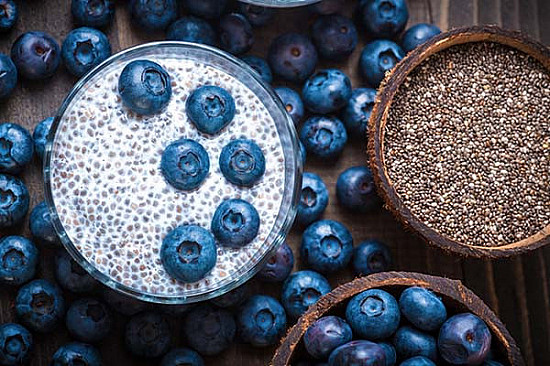
Finally, chia seeds are praised for their omega-3 fatty acids, fiber, and ability to absorb water, creating a gel-like consistency that promotes satiety. While chia seeds do offer these benefits, their omega-3 content is primarily in the form of alpha-linolenic acid (ALA), which the body must convert to more usable forms like EPA and DHA. This conversion process is inefficient, making chia seeds a less effective source of omega-3s compared to fish or algae-based supplements. Thus, while chia seeds are a healthy addition to a diet, they may not live up to their superfood label.

In conclusion, many alleged superfoods provide valuable nutrients but are often overhyped by marketing campaigns. A balanced diet that includes a variety of whole foods—both “super” and ordinary—is the most reliable path to good health. Make sure to research what goes into your body rather than mindlessly consuming “superfrauds”.

Sources:
https://www.healthline.com/nutrition/8-healthy-berries#blueberries
https://www.nm.org/healthbeat/healthy-tips/nutrition/myths-about-diet-and-thyroid
https://www.medicalnewstoday.com/articles/270435
https://www.medicalnewstoday.com/articles/chia-seeds-ibs

The History of Airplane Food

The evolution of airplane food traces its origins back to the early days of commercial aviation in the 1920s and 1930s, when air travel was a luxury afforded only by the wealthy. Initially, in-flight meals were minimal, consisting of light snacks such as sandwiches and fruits. Airlines prioritized passenger comfort and convenience but were limited by the rudimentary nature of aircraft and the absence of standardized catering facilities. However, as aviation technology improved and flights became longer, the demand for more substantial meals grew.

By the 1950s and 1960s, known as the “Golden Age of Aviation,” airlines began offering more elaborate meals to distinguish themselves in a competitive market. Multi-course meals were served on fine china with real silverware, reflecting the elegance of air travel during this period. These meals were prepared on the ground and reheated in-flight using rudimentary galley equipment. The advent of jet airliners allowed for international travel, necessitating improved storage and reheating capabilities for diverse cuisines.

The 1970s marked a turning point in airline food with the deregulation of the aviation industry in the United States. Airlines sought to reduce costs, leading to the standardization and streamlining of in-flight catering. Pre-packaged meals and simplified menus became common, and the use of disposable materials replaced the more extravagant tableware of earlier decades. The rise of low-cost carriers further drove this trend, emphasizing affordability over luxury.

An important event in the history of airline food was the introduction of the HACCP (Hazard Analysis and Critical Control Points) system in the 1980s. Developed initially for the U.S. space program to ensure food safety for astronauts, HACCP was adopted by the airline industry to identify and manage risks in food preparation and handling. This system established a framework for controlling potential hazards, from sourcing ingredients to delivery on board, significantly reducing incidents of foodborne illnesses. Its adoption marked a milestone in elevating the safety and reliability of in-flight meals.

Simultaneously, the development of stringent regulations became crucial to ensure the safety and quality of in-flight meals. The U.S. Food and Drug Administration (FDA) and its international counterparts established guidelines for food preparation, storage, and transportation to prevent contamination. These regulations addressed unique challenges, such as maintaining proper temperatures during extended flights and accommodating the restricted space of aircraft galleys. Additionally, post-9/11 security measures necessitated even tighter controls over in-flight catering operations to prevent potential threats.

In recent decades, passenger demand for healthier and more diverse meal options has prompted airlines to adapt. Special meals catering to dietary restrictions, cultural preferences, and sustainability concerns are now commonplace. Airlines partner with renowned chefs to elevate their culinary offerings, balancing cost efficiency with passenger satisfaction.

The science of packaging plays a crucial role in preserving the quality of foods and beverages served at high altitudes. Air pressure and humidity levels in the cabin affect both the taste and texture of food, requiring specialized packaging materials and methods. For example, vacuum-sealed containers are used to maintain freshness, while aluminum trays are designed to withstand reheating. Sodas and carbonated drinks are also packaged with an understanding of pressure changes to prevent excessive fizzing or loss of carbonation during flights. These innovations ensure that meals and beverages are both safe and enjoyable for passengers.

The history of airplane food reflects the broader evolution of air travel, blending technological advancements, economic pressures, and regulatory oversight. From its humble beginnings to today’s tailored experiences, in-flight dining continues to adapt, mirroring the complexities of global aviation.

Sources:
https://www.foodnetwork.com/restaurants/photos/a-brief-history-of-airline-food
https://www.fda.gov/food/guidance-regulation-food-and-dietary-supplements/hazard-analysis-critical-control-point-haccp
https://www.travelandleisure.com/airlines-airports/old-airline-meals

Breaking Down: Diabetes

Glucose is a fundamental sugar essential for the survival and functioning of all living organisms, particularly in humans. It acts as the primary source of energy for cellular processes and is critical for maintaining metabolic functions. However, glucose must be regulated properly to avoid harmful effects on the body. Diabetes, a condition that affects millions worldwide, occurs when the body’s ability to regulate glucose becomes impaired. Understanding how healthy bodies use glucose, the role of glucose transporters, and how diabetes develops can shed light on current treatments and emerging research aimed at combating this complex condition.

Glucose is a simple sugar, chemically classified as a monosaccharide, which is absorbed into the bloodstream after the digestion of carbohydrates. It serves as the primary source of energy for cells and is critical for functions such as muscle contraction, brain activity, and metabolism. Once glucose enters the bloodstream, it is transported to cells throughout the body, where it undergoes glycolysis and oxidative phosphorylation to produce adenosine triphosphate (ATP), the cell’s energy currency. In healthy individuals, this process is tightly regulated to ensure that glucose levels remain within a narrow, optimal range.

In a healthy body, glucose is absorbed from the bloodstream into cells via specific transporters. Once inside the cell, glucose can be stored as glycogen or used immediately for energy production. Insulin, a hormone produced by the pancreas, plays a pivotal role in regulating glucose uptake by signaling cells to absorb glucose from the bloodstream. When blood glucose levels rise, such as after eating, insulin helps transport glucose into cells, preventing hyperglycemia. Excess glucose is stored in the liver and muscles as glycogen, which can be broken down and released back into the bloodstream when needed, ensuring a constant supply of energy even between meals.

Glucose transporters facilitate glucose’s entry into cells through specialized mechanisms. One primary transporter, GLUT1, allows glucose to enter cells via facilitated diffusion, a process in which glucose moves down its concentration gradient without requiring energy. GLUT1 is present in many tissues, including the brain, where a constant supply of glucose is essential for function. Another transporter, SGLT (sodium-glucose cotransporter), uses cotransport mechanisms to move glucose into cells against its concentration gradient, powered by sodium ions. SGLT is essential in the kidneys, allowing glucose reabsorption. GLUT4, located in muscle and fat cells, is insulin-dependent. Upon insulin stimulation, a signal cascade triggers GLUT4’s conformational change, allowing glucose to enter the cell. This transporter is especially important during exercise, when muscle cells need increased glucose for energy.

Type 1 diabetes is an autoimmune condition in which the body’s immune system mistakenly destroys the insulin-producing beta cells in the pancreas. Without insulin, glucose cannot enter cells, leading to dangerously high blood glucose levels. Symptoms include excessive thirst, frequent urination, and fatigue. Treatment involves daily insulin injections or the use of an insulin pump to supplement the body’s lack of insulin. Individuals must closely monitor their blood glucose levels and adjust insulin doses accordingly to maintain proper glucose balance and prevent complications.

Type 2 diabetes develops when the body becomes resistant to insulin, leading to inadequate glucose absorption. Although the pancreas still produces insulin, the cells fail to respond effectively. Over time, insulin production can decrease as well. This form of diabetes is often linked to lifestyle factors such as obesity, inactivity, and poor diet. Treatment for type 2 diabetes often involves lifestyle changes like diet and exercise, which can improve insulin sensitivity. Medications, such as metformin, help regulate glucose production and enhance insulin effectiveness. In some cases, insulin therapy may become necessary if the condition progresses.

Recent research is opening new avenues for diabetes treatment. One promising area involves beta-cell regeneration, which could help restore the body’s ability to produce insulin. Advances in stem cell therapy are also showing potential for regenerating insulin-producing cells. Another area of focus is on improving the sensitivity of insulin receptors, which may provide better outcomes for individuals with type 2 diabetes. Research on continuous glucose monitors (CGMs) and artificial pancreas systems is also advancing, offering more precise, real-time control of glucose levels for people with diabetes. These technologies could significantly improve the quality of life for individuals with diabetes and reduce the risk of complications.

Glucose is vital for energy production in the body, and proper regulation is essential for maintaining health. Diabetes, whether through a lack of insulin (type 1) or insulin resistance (type 2), disrupts this balance and can have serious consequences if left untreated. Current treatments, such as insulin therapy and medications, have helped manage diabetes, but research into regenerative medicine, advanced glucose monitoring, and beta-cell regeneration holds promise for the future. As our understanding of the disease continues to evolve, so too does the hope for better, more effective treatments.

Sources:
https://www.sciencedirect.com/science/article/abs/pii/B9780128498866000033
https://www.cdc.gov/diabetes/about/about-type-1-diabetes.html
https://link.springer.com/article/10.1007/s00125-021-05415-5
https://www.news-medical.net/health/Trailblazing-Discoveries-The-Top-5-Diabetes-Research-Breakthroughs-of-2023.aspx

Proteins Against Cancer

Researchers led by Hiroshi Ohno at the RIKEN Center for Integrative Medical Sciences in Japan have made an important discovery about how food antigens, like albumin found in common foods such as milk and meat, may play a vital role in preventing tumors from forming in the small intestine. This research, published in Frontiers in Immunology, provides new insights into how the immune system in the gut responds to certain proteins from our diet, offering hope for better understanding cancer prevention in this delicate region of the body.

To understand this breakthrough, it’s essential to grasp what food antigens are and how they typically interact with the human body. Food antigens are proteins that the immune system recognizes as foreign and potentially harmful, even though they are not necessarily dangerous on their own. For example, the proteins in peanuts, shellfish, or milk can sometimes trigger allergic reactions, ranging from mild symptoms to life-threatening conditions. Even when allergic reactions don’t occur, the immune system often scrutinizes these antigens, keeping them under surveillance as potential threats. Traditionally, food antigens are viewed with some level of caution, due to their role in allergies, but the new research from Ohno’s team paints a more complex picture of their function, particularly in the small intestine.

The small intestine plays a critical role in absorbing nutrients from food, but it is also home to a large portion of the body’s immune cells, including T cells, which help the body identify and attack harmful invaders. In previous research, Ohno and his team had shown that food antigens activate immune cells in the small intestine, but not in the large intestine. This raised an interesting question: Could food antigens also be involved in protecting the gut from diseases like cancer?

To answer this question, the researchers turned to a specialized type of mouse that has a genetic mutation affecting the tumor-suppressing gene. This mutation is similar to one found in humans with familial adenomatous polyposis, a condition that leads to the development of numerous tumors in both the small and large intestines. These mice provided a good model for studying how food antigens might influence the formation of intestinal tumors.

The researchers divided the mice into three groups, each receiving a different diet. One group was fed normal food, which contained a variety of antigens from plants and animal products. A second group received antigen-free food, which was designed to avoid any proteins that might trigger an immune response. Finally, a third group of mice was fed antigen-free food, but with a specific antigen added to the mix: albumin, a common protein found in animal products like meat and eggs. Importantly, the amount of protein in the diet was kept consistent across all groups, ensuring that any effects observed were due to the presence of the antigen, not differences in nutrition.

The results were striking. Mice that ate normal food or the antigen-free food with added albumin developed significantly fewer tumors in the small intestine compared to those that received only antigen-free food. However, the number of tumors in the large intestine was the same across all groups, suggesting that the effect of food antigens was specific to the small intestine. This was a crucial finding because it indicated that the antigens were not just affecting the overall health of the mice, but were actively engaging the immune system to prevent tumors from developing in a specific part of the gut.

But how exactly did the antigens accomplish this? The researchers found that the presence of food antigens stimulated the production of T cells in the small intestine. These immune cells are known to play a key role in identifying and destroying abnormal or cancerous cells, and the increase in their numbers was likely responsible for the reduction in tumor formation. Mice that were fed the antigen-free diet, on the other hand, had far fewer T cells in their small intestines, leaving them more vulnerable to tumor growth.

The implications of these findings are significant, especially for people who rely on specialized diets for medical reasons. Elemental diets, which consist only of simple amino acids rather than whole proteins, are often prescribed for patients with severe gastrointestinal conditions like Crohn’s disease or irritable bowel syndrome. These diets are designed to be easy to digest and reduce inflammation in the gut, but they also eliminate food antigens. Based on the findings of this study, eliminating antigens from the diet could unintentionally reduce the body’s natural ability to suppress tumors in the small intestine, particularly in individuals who are already at higher risk due to genetic conditions like familial adenomatous polyposis.

According to Ohno, “small intestinal tumors are much rarer than those in the colon, but the risk is higher in cases of familial adenomatous polyposis, and therefore the clinical use of elemental diets to treat inflammatory bowel disease or other gastrointestinal conditions in these patients should be considered very carefully.” This highlights the delicate balance that must be maintained when choosing dietary treatments for individuals with complex medical conditions. While elemental diets can be life-saving for some patients, they may carry unforeseen risks, particularly when it comes to tumor formation in the small intestine.

The findings from this study also raise broader questions about the role of diet and the immune system in cancer prevention. While much of the focus on food antigens has been on their potential to cause harm, these results suggest that they may also have important protective functions, at least in certain parts of the body. Further research will be needed to fully understand how different types of food antigens affect the immune system and how this knowledge can be applied to improve health outcomes.

In conclusion, this study provides a new perspective on how food antigens interact with the immune system in the small intestine, offering insights into potential strategies for preventing cancer in the gut. While there is still much to learn, these findings highlight the importance of considering both the benefits and risks of dietary choices, particularly for individuals with genetic predispositions to intestinal cancer. As research continues to explore the complex relationship between diet, the immune system, and cancer, this study opens the door to new possibilities for preventing and treating tumors in the small intestine.

Sources:
https://www.sciencedaily.com/releases/2024/09/240918124955.htm
https://muschealth.org/medical-services/ddc/patients/digestive-diseases/small-intestine/tumors-of-the-small-intestine
https://www.davita.com/diet-nutrition/articles/basics/what-is-albumin