
To Be Healthy and Humane: Cows

The fast-food industry is constantly under scrutiny for its sourcing practices and the quality of ingredients used. Humans are omnivores, which means that these ingredients used could be crops grown but they could also be animals. These animals are living creatures, and they should be raised humanely. About 20% of all the land on the planet is used for livestock, which is 53% of all agricultural land. As the human race, how should we balance our own health with the respectful and proper treatment of our fellow inhabitants of Planet Earth?

The Tragedy of the Commons is a principle that highlights how individual users, acting independently according to their self-interest, can ultimately deplete a shared resource, leading to the detriment of the entire group. In biological terms, this principle is often observed in ecosystems where overuse of a particular resource—be it grazing land, fisheries, or water sources—leads to degradation and collapse of the ecosystem. This concept is crucial in understanding how practices like overharvesting and unsustainable farming can lead to long-term negative outcomes for both the environment and the economy. One classic example of the Tragedy of the Commons is overfishing in the world’s oceans. Individual fishermen, seeking to maximize their catch, often ignore quotas and regulations, leading to the depletion of fish stocks. This overexploitation not only threatens the survival of certain fish species but also disrupts entire marine ecosystems and the communities that rely on them for food and livelihood. Another example is deforestation in the Amazon rainforest. Farmers and loggers, driven by the immediate economic benefits of clearing land for agriculture or timber, contribute to the widespread destruction of the forest. This practice leads to loss of biodiversity, disruption of water cycles, and contributes to climate change, affecting global environmental health.

Taco Bell has faced criticism for allegedly using older cows in their beef products. According to a report by the Daily Dot, Taco Bell’s beef is often sourced from cows that are past their prime reproductive age, which can impact both the quality and nutritional value of the meat used in their products.

In the fast-food industry, cows are typically slaughtered at an older age compared to those used by traditional butchers. According to a report from Daona Wagyu, fast-food chains often use cows that are around 5 to 6 years old, as they are cheaper and still provide adequate meat yields. In contrast, butchers and high-end meat suppliers generally prefer younger cows, slaughtering them between 18 months to 3 years of age. Younger cows are favored for their tenderness and superior taste, making them more desirable for premium cuts of beef.

The age of the cow significantly impacts the taste, texture, and nutritional value of the beef. Younger cow beef is known for its tenderness, juiciness, and rich flavor. The muscle fibers are less developed, resulting in a softer texture that is highly prized in the culinary world. Nutritionally, younger beef tends to have higher levels of intramuscular fat, contributing to a richer taste and better mouthfeel. On the other hand, beef from older cows tends to be tougher and less flavorful. The meat is often leaner and can have a more pronounced, sometimes gamey flavor, which is not as universally appealing. Nutritional differences may include higher protein content but lower fat levels, making it less desirable for certain cooking methods that rely on fat for flavor and moisture.

Age also plays a crucial role in the quality of meat from other animals. For instance, “baby back ribs” come from younger pigs and are known for their tenderness and mild flavor, compared to spareribs from older pigs, which are tougher and have a stronger taste. Lamb is another example, with “spring lamb” being particularly sought after for its delicate flavor and tender texture, unlike meat from older sheep, which can be tougher and have a more robust flavor. Choosing younger, more tender meat from animals like cows, pigs, and lambs can lead to a more enjoyable culinary experience, but it also raises important ethical considerations. The practice of using older animals in the fast-food industry can be seen as a way to reduce waste and maximize resource use. However, it is essential to balance these practices with humane treatment of animals and sustainable resource management. By being mindful of where our food comes from and how it is produced, consumers can make choices that are not only healthier for themselves but also more humane and sustainable for the planet.

While restaurants like Taco Bell should not be treated as a frequent place to gain sustenance from, their sourcing of cows is admirable. It might be cheaper to slaughter a cow after 24 months of life, but they do not do that. This sacrifice shows that even in the massive industry of fast food, you can remain competitive while providing respect to the 300 million cows slaughtered each year.

Sources:
https://www.dailydot.com/news/taco-bell-beef-quality/
https://www.daonawagyu.com/blog/blog-post-title-four-wde5f/
https://www.texasmonthly.com/bbq/old-cows-texas-steaks-heartbrand/
https://clear.ucdavis.edu/explainers/cattle-and-land-use-differences-between-arable-land-and-marginal-land-and-how-cattle-use
https://sentientmedia.org/how-many-cows-are-killed/
Microplastics in Our Food

Microplastics have become a concern to our world, infiltrating many aspects of our environment, including the food we consume. These tiny plastic particles, often invisible to the naked eye, have raised alarms due to their potential impacts on human health and the ecosystem. Understanding what microplastics are, their effects, and how they find their way into our food supply is crucial for addressing this emerging issue.

The definition of a microplastic is a small plastic particle, typically measuring less than 5 millimeters in size. These plastics can originate from a variety of sources, including the breakdown of larger plastic debris, microbeads used in personal care products, and fibers shed from synthetic clothing. These particles can persist in the environment for extended periods, accumulating in water bodies, soil, and even the air.

Microplastics pose a range of threats to both environmental and human health. In the environment, they can be ingested by marine life, leading to physical harm, blockages in digestive systems, and potential transfer through the food chain. Moreover, microplastics can adsorb and transport harmful chemicals and pathogens, exacerbating their impacts on organisms. We are warned not to litter plastics because they can take centuries to decompose; we litter microplastics without even realizing. What’s worse: microplastics can get in anything and everything. They can also come from anything an everything. It is extremely difficult to negate the spread of microplastics and scientists are still innovating on how to solve this problem.

In terms of human health, there is growing concern about the ingestion of microplastics through food and water. While the full extent of their health effects is still being researched, potential risks include inflammation, disruption of gut microbiota, and the introduction of harmful chemicals into the body. An extremely haunting fact about microplastics is that when researchers were attempting to find the exact effects of ingesting microplastics, they could not find a control group. For those unfamiliar with scientific procedure, a control group is a sample that will be used to compare to another sample that will be experimented on. Scientists intended to compare a human with no microplastics in their bodies to someone that did, but they were not able to find a single data set of the former.

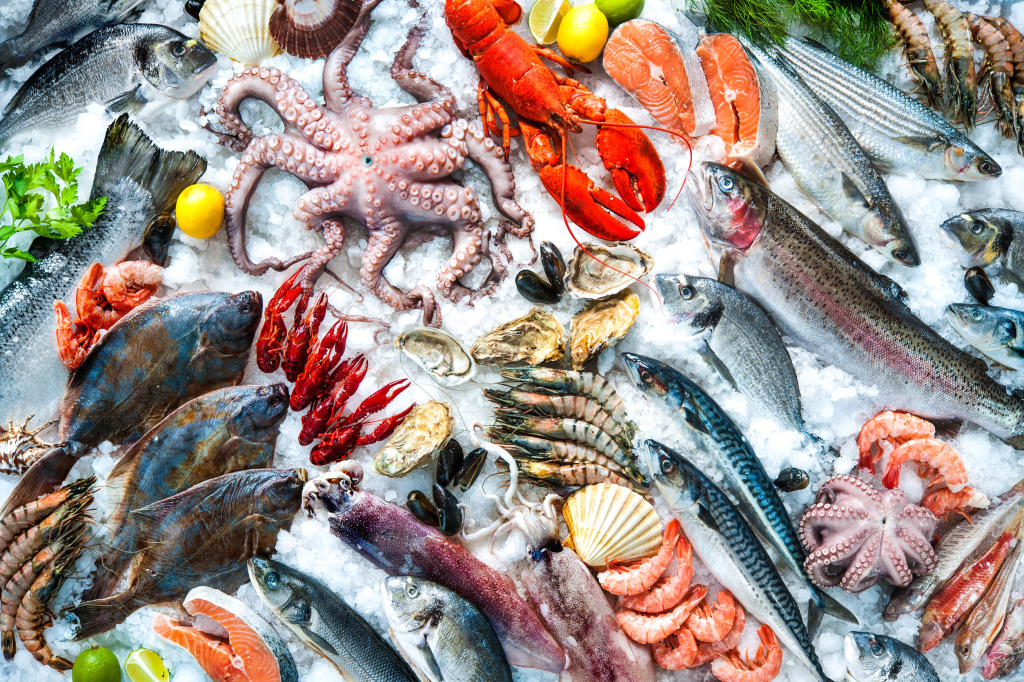
Microplastics have been found in a variety of food items, including seafood, salt, honey, and even drinking water. Seafood, in particular, is a major source of microplastic exposure for humans, as marine organisms can ingest these particles and accumulate them in their tissues. Additionally, plastic packaging and processing equipment can introduce microplastics into food products during manufacturing and preparation.

Reducing the intake of microplastics requires both individual and collective actions. Consumers can opt for fresh, minimally processed foods whenever possible, as these are less likely to contain microplastic contaminants from packaging and processing. Choosing products with minimal plastic packaging and avoiding single-use plastics can also help reduce the overall prevalence of microplastics in the environment. Furthermore, supporting initiatives aimed at reducing plastic pollution, such as beach clean-ups and waste management improvements, can contribute to mitigating the spread of microplastics in food and the environment. Policy measures, such as bans on microbeads and stricter regulations on plastic production and disposal, are also essential for addressing this issue effectively.

Microplastics represent a significant environmental and public health concern, with implications for both ecosystems and human well-being. As these tiny plastic particles continue to pervade our environment and food supply, it is crucial to take proactive measures to mitigate their impacts. By raising awareness, implementing sustainable practices, and advocating for policy changes, we can work towards reducing the prevalence of microplastics in our food and safeguarding both our health and the planet for future generations.

Sources:
https://oceanservice.noaa.gov/facts/microplastics.html
https://www.clientearth.org/latest/news/microplastics-what-are-they-and-why-are-they-a-problem/
https://medshadow.org/the-impact-of-microplastics-cant-be-studied-because-there-is-no-control-group/
https://www.ncbi.nlm.nih.gov/pmc/articles/PMC10390371/

Breaking Down: Caffeine

On average, approximately 90% of adults worldwide consume caffeine in various forms, making it one of the most widely consumed psychoactive substances. The average daily caffeine intake for an adult in the United States is estimated to be around 200 milligrams, equivalent to about two cups of coffee. But how many truly understand what it is, or more importantly: what it does?

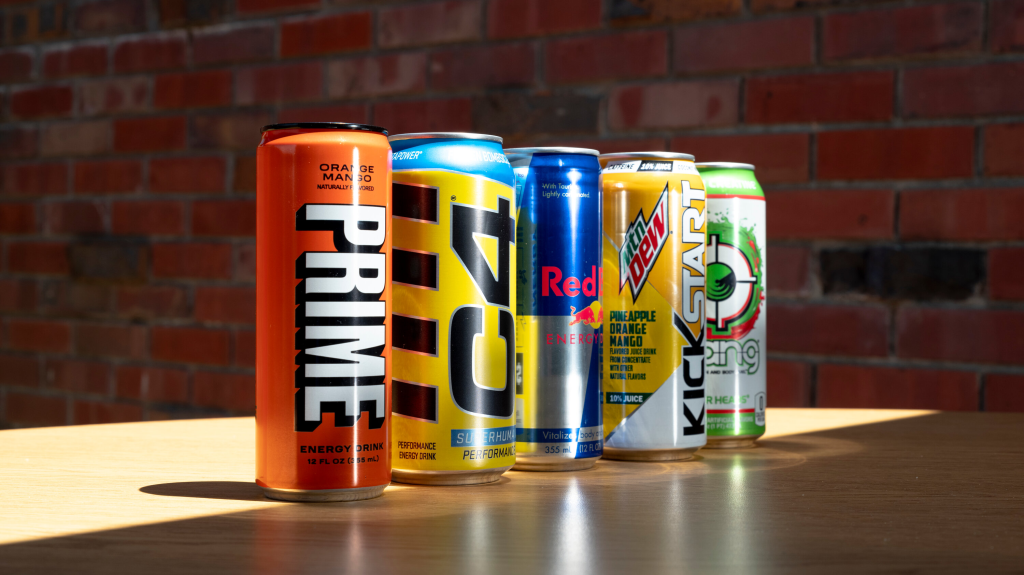
Caffeine has found its way into various products, including energy drinks that can pose potential health risks. Sarah Katz was a 21-year-old, diagnosed with long QT syndrome (LQTS), who experienced cardiac arrest after consuming Panera Bread’s “Charged Lemonade,” which contained caffeine, coffee extract, and guarana extract. The lawsuit alleges that Panera misled consumers by not adequately labeling the beverage as an energy drink and emphasized the lack of clear size comparisons with their Dark Roast coffee, potentially contributing to Katz’s unintentional consumption of a dangerous amount of caffeine. The incident underscores the importance of transparent labeling and the potential risks associated with the unregulated caffeine content in some energy drinks. Katz was withheld from being able to make an accurate decision, which tragically led to her death.

Caffeine, a natural stimulant found in coffee, tea, and various plants, is commonly consumed worldwide for its alertness-inducing effects. In the case of energy drinks, high caffeine content can be problematic, especially for individuals with underlying health conditions. With a daily safe limit set by the US FDA at around 400 milligrams for healthy adults, it is crucial for consumers to be aware of their caffeine intake and for companies to provide clear information on product labels to prevent unintended consequences. Caffeine is a substance that has been used since the beginning of cultivation. From the day tea leaves were discovered and properly used, the effects of caffiene have affected society. But in the modern age of unhealthiness, it has become an obstacle.

In seeking alternative methods for maintaining energy levels, one avenue lies in choosing foods that promote sustained vitality. A well-balanced diet rich in complex carbohydrates, lean proteins, and healthy fats can provide a steady release of energy throughout the day. Incorporating whole grains, fruits, vegetables, and nuts into one’s diet offers essential nutrients and minimizes energy crashes, offering a more sustainable source of vitality than relying solely on caffeine-laden beverages.

Beyond dietary considerations, adopting alternative lifestyle choices can significantly impact one’s energy levels. Regular physical activity, including exercises such as walking, jogging, or yoga, promotes cardiovascular health and enhances overall endurance. Prioritizing adequate sleep, managing stress through mindfulness practices, and staying properly hydrated are essential lifestyle factors that contribute to sustained energy. By integrating these alternatives into daily routines, individuals can foster a comprehensive approach to maintaining vitality without relying solely on stimulants like caffeine. If you have caffeine or stimulus sensitivity, make sure you know what is right for you. In situations like Katz’s, there was nothing she could have done.

Staying informed about food choices, particularly those containing caffeine, is vital for making health-conscious decisions. Awareness of the potential risks associated with energy drinks and their ingredients empowers individuals to choose beverages that align with their health needs. Reading product labels, understanding the recommended daily limits, and staying updated on nutritional information contribute to a more informed consumer base. It is essential for companies to uphold transparency in their marketing and labeling practices, ensuring that consumers can make informed decisions about the products they choose to consume, preventing tragic incidents like the one involving Sarah Katz.

PS: Happy New Year!

Sources:
https://www.cnn.com/2023/10/23/business/panera-lawsuit-charged-lemonade-death/index.html
https://www.betterhealth.vic.gov.au/health/healthyliving/caffeine