Breaking Down: Vitamins

Vitamins are essential organic compounds required in small amounts for various biochemical processes that sustain life. Unlike macronutrients such as carbohydrates, proteins, and fats, vitamins do not provide energy but play crucial roles in enzymatic reactions, cellular function, and overall metabolic health. Most vitamins cannot be synthesized in sufficient quantities by the human body and must be obtained through diet or supplements. They are classified into two major categories: fat-soluble (A, D, E, and K) and water-soluble (B-complex and C). Each vitamin has specific functions and is found in distinct food sources.

Fat-soluble vitamins are stored in the body’s fatty tissues and liver, allowing them to be utilized as needed. Vitamin A, also known as retinol, is vital for vision, immune function, and cell differentiation. It is found in liver, dairy products, and carotenoid-rich vegetables like carrots and sweet potatoes. Vitamin D, synthesized by the skin upon exposure to sunlight, regulates calcium and phosphorus homeostasis, essential for bone health. Dietary sources include fatty fish, egg yolks, and fortified dairy products. Vitamin E, comprising tocopherols and tocotrienols, functions as an antioxidant, protecting cell membranes from oxidative damage. Nuts, seeds, and vegetable oils are excellent sources. Vitamin K, necessary for blood clotting and bone metabolism, is found in leafy greens, broccoli, and fermented foods.

Water-soluble vitamins, which include the B-complex group and vitamin C, must be regularly consumed as they are not stored in the body. The B-complex vitamins play diverse biochemical roles, primarily as coenzymes in energy metabolism. Thiamine (B1) helps convert carbohydrates into energy and is found in whole grains, pork, and legumes. Riboflavin (B2) is essential for redox reactions and is present in dairy products, eggs, and leafy vegetables. Niacin (B3) participates in the production of NAD and NADP, crucial for cellular respiration, and can be obtained from meat, fish, and whole grains. Pantothenic acid (B5), a component of coenzyme A, is widespread in foods like avocados, chicken, and whole grains.

Pyridoxine (B6) is involved in amino acid metabolism and neurotransmitter synthesis, and is found in bananas, poultry, and potatoes. Biotin (B7), crucial for fatty acid synthesis and gluconeogenesis, is abundant in eggs, nuts, and organ meats. Folate (B9) supports DNA synthesis and is particularly important during pregnancy to prevent neural tube defects; sources include leafy greens, legumes, and citrus fruits. Cobalamin (B12), essential for red blood cell formation and neurological function, is found only in animal products such as meat, eggs, and dairy.

Vitamin C, or ascorbic acid, is a powerful antioxidant and is vital for collagen synthesis, wound healing, and immune support. It enhances iron absorption and is abundant in citrus fruits, bell peppers, and strawberries.

Understanding the biochemical functions and dietary sources of vitamins highlights their indispensable role in maintaining health. A balanced diet rich in diverse, nutrient-dense foods ensures adequate vitamin intake, reducing the risk of deficiencies and promoting overall well-being.

Sources:
https://medlineplus.gov/ency/article/002399.htm
https://www.nhs.uk/conditions/vitamins-and-minerals/
https://www.betterhealth.vic.gov.au/health/healthyliving/Vitamins-and-minerals

The Types of Nuts

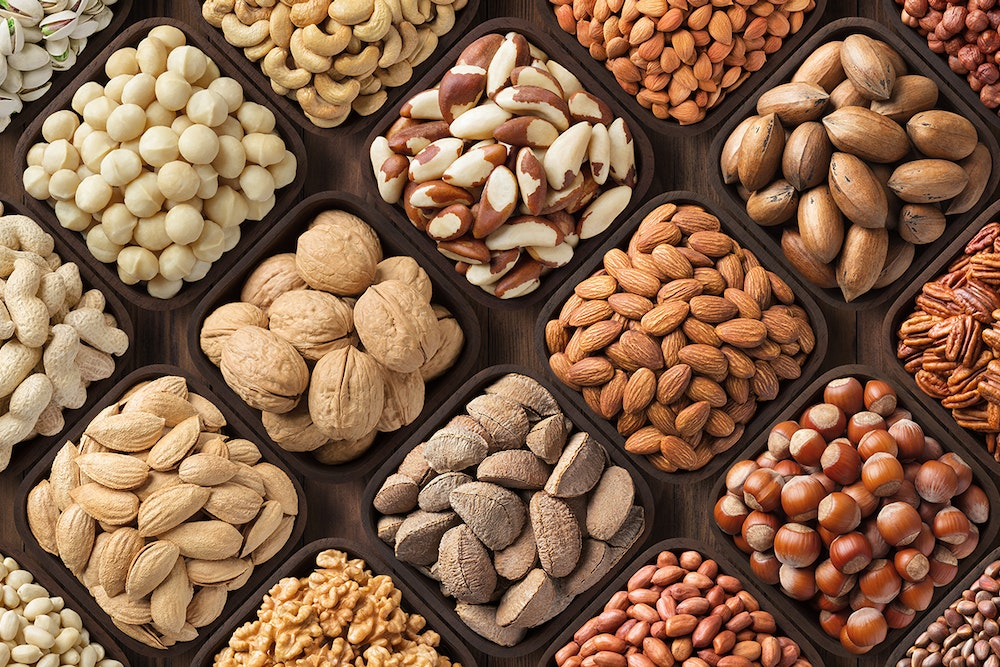
Nuts have been a staple in human culture and diet for thousands of years. It has grown from a simple food item to an icon in health. Nuts are extremely diverse, showing up in all shapes and sizes around the world. According to the US Forest Service, a nut is “a dry fruit with a single seed, hard outer shell, and dry husk.” However, there are so many more levels to defining a nut, which you can learn from reading this blog. From almonds to pecans and brazil nuts, there is always a lot to learn.

Almonds, a popular nut variety, are a powerhouse of nutrition with high levels of healthy unsaturated fats, fiber, and protein. Almonds stand out as they offer a rich source of calcium, making them a great option for vegans and those who avoid dairy. This makes them beneficial for promoting bone health and overall nutrition. Studies have also shown that almonds can have a positive impact on heart health and blood sugar control. Whether raw, roasted, or used in cooking and baking, almonds offer versatility and nutrition in every bite.

Pistachios, known for their easily-split shells, offer a great deal of fiber and healthy unsaturated fats including monounsaturated fats. These nuts are also a good source of vitamins B6 and E, protein, potassium, and phosphorus. Pistachios make for a convenient snack option on-the-go and have been shown to have a positive impact on heart health and weight management.

Walnuts are renowned for their high levels of healthy omega-3 fatty acids, which are critical for brain and heart health. They also contain fiber, protein, and vitamins B6 and E. The brain-like shape of walnuts has earned them the title “brain food,” making them a great option for boosting cognitive function and supporting brain health. Additionally, walnuts have proven to have a positive impact on heart health, weight management, and overall nutrition. These three traits are seen throughout many types of nuts, but don’t get bored of them, as they are all very important. Enjoy walnuts as a standalone snack, add to salads or baked goods, or use as a topping for yogurt or oatmeal for a delicious and nutritious treat.

Cashews, with high levels of healthy unsaturated fats, protein, and fiber, are a nutritious snack option. They also offer vitamins B6 and K, iron, magnesium, and potassium. Cashews are typically enjoyed roasted or salted, making them a convenient snack option to keep you full and satisfied. Cashews can be used in cooking and baking or even eaten raw.

Pecans, a native nut of North America, boast high levels of healthy unsaturated fats, fiber, and protein. They are also a good source of vitamins E and B1, magnesium, phosphorus, and zinc. Pecans offer a rich, buttery flavor that makes them a popular ingredient in sweet and savory dishes. This makes them a great option for adding flavor and nutrition to meals and snacks. Pecans have a positive impact on the big three; heart health, weight management, and overall nutrition. Incorporate pecans into pies, cakes, salads, or enjoy them on their own for a delicious and nutritious treat.

Macadamia nuts are known for their high levels of healthy monounsaturated fats, the same type found in olive oil. They also offer fiber, protein, and a rich source of vitamins and minerals such as thiamin, iron, and magnesium. Macadamia nuts are a unique nut variety as they have a delicate, creamy texture and a sweet, buttery flavor. These qualities make them a popular ingredient in desserts and baked goods. They can be enjoyed by themselves, but are commonly found in cookies, too! This is a great use of them as they are balanced out to create a dessert which is one of my personal favorites.

Brazil nuts, native to South America, are a rich source of selenium, a mineral critical for good health. They are also high in healthy unsaturated fats, fiber, and protein. Brazil nuts contain vitamins E and B1, magnesium, phosphorus, and potassium, making them a nutritious addition to your diet. Their unique, rich flavor and firm texture make them a popular ingredient in desserts, baked goods, and snack mixes. However, they can also be very dangerous. Brazil nuts also contain radium, a very radioactive chemical. The entire nut has more than 10x the normal radioactivity in food (everything has some level of radioactivity, usually not harmful). The German Federal Office for Radiation Protection reccomends not to exceed two nuts a day, and one for smaller people. Brazil nuts are great natural supplements to your diet.

Hazelnuts, also known as filberts, are a good source of healthy unsaturated fats, fiber, and protein. They contain vitamins B6 and E, iron, magnesium, and potassium, making them a nutritious option for snacking. Hazelnuts are particularly famous for their use in hazelnut spread. They offer a unique, sweet, and slightly bitter flavor that is popular in desserts, baked goods, and snack mixes. By themselves, they check off all the boxes for a healthy nut.

Peanuts, a legume, are a good source of healthy unsaturated fats, fiber, and protein. They contain vitamins B3, E, and B6, magnesium, and potassium, making them a nutritious option for snacking. Peanuts have a unique, slightly sweet and savory flavor that makes them popular as a snack food and ingredient in dishes such as peanut butter and stir-fries. Peanuts are extremely versatile, but peanut allergies are extremely common. It is the third most common allergy in children and the second most common in adults. If you are not allergic to them, consider yourself lucky, as peanuts are a great source of nutrition.

In a previous Fast Fact, I shared how dry beans give you the most fullness in your stomach per buck. The close second were nuts. Considering all of their extra health benefits, it would be smarter to consume a normal diet and snack on nuts throughout the day, as opposed to munching on dried beans. Hopefully the knowledge shared in this blog can help you find a nut which will help your needs the most!

Sources:
https://www.healthline.com/nutrition/9-healthy-nuts
https://www.ediblearrangements.com/blog/different-types-of-nuts/
https://www.mashed.com/885381/types-of-nuts-and-what-makes-them-unique/

Breaking Down: Pickles

Pickling is an ancient method of preserving food that has been used for centuries. The earliest known records of pickling date back to ancient Mesopotamia and Egypt, where fruits and vegetables were preserved in vinegar or salt water. Pickling was a necessary practice in the days before refrigeration, as it allowed people to store food for long periods of time and avoid spoilage. As people began to explore new parts of the world, they brought pickling techniques with them, and the practice spread to Europe, Asia, and the Americas. Pickling became a popular way to preserve food in all cultures, with each region developing its own unique variations and flavors.

In Europe, pickling was a common method of preserving food during the Middle Ages. Pickled vegetables, fruits, and fish were a staple in the diet of many people, as they could be stored for long periods of time without spoiling. Pickling was also used as a way to preserve food during the winter months, when fresh produce was scarce. In the Americas, pickling was also a common practice among Native American tribes, who used it to preserve food for the winter months. Pickling was also used by early settlers in the Americas, who brought European pickling methods with them.

The popularity of pickling reached its peak in the 18th and 19th centuries, with the rise of commercial pickling operations. The mass production of pickles allowed them to become more widely available and affordable for the general population. Today, pickling is still a popular method of preserving food, and many traditional pickled foods, such as dill pickles, sauerkraut, and kimchi, continue to be enjoyed around the world.

The science behind pickling is relatively simple. Pickling works by creating an environment that is inhospitable to bacteria, which is the main cause of spoilage in food. The acidity of the vinegar or fermentation of the brine creates a low pH environment that prevents the growth of harmful bacteria. Salt is also added to the pickling solution, which further helps to inhibit the growth of bacteria.

One of the most popular pickled foods around the world is the cucumber. Pickled cucumbers, also known as dill pickles, are made by soaking cucumbers in a vinegar and salt brine, along with spices like dill and garlic. Pickled cucumbers are a staple in many cuisines, from the classic American hamburger accompaniment to the traditional Polish dill pickle. Another popular pickled food is the Korean dish known as kimchi. This traditional fermented food is made from Napa cabbage, radishes, and other vegetables, and is flavored with a spicy chili paste, garlic, and ginger. Kimchi is a staple in Korean cuisine and is known for its strong, pungent flavor and numerous health benefits. In addition to cucumbers and kimchi, other popular pickled foods include sauerkraut, pickled beets, pickled ginger, and pickled onions. The popularity of pickling has also led to the creation of new and innovative pickled foods, such as pickled watermelon, pickled blueberries, and even pickled eggs.

In conclusion, pickling is an ancient method of preserving food that has been used for centuries. Today, pickling is still popular and widely used, with cucumbers, kimchi, sauerkraut, beets and many other foods being pickled. The science behind pickling is simple, it creates an environment that prevents the growth of harmful bacteria, allowing for food to be stored for long periods of time. Pickling not only preserves food but also creates unique flavors and is a staple in many traditional cuisines around the world.

Sources:
https://www.history.com/news/pickles-history-timeline
https://www.webstaurantstore.com/blog/4066/types-of-pickles.html

The Types of Sugars

Sugar Facts - Diabetes Self-Management

When you think of “sugar”, you most likely think of table sugar, which comes in white crystals. But you might be surprised to know that this is just one variety of sugar called sucrose. There are six other types of sugars which are also relatively abundant. All sugars are carbohyrates. A simple sugar is a monosaccharide. Fructose is one of them. Fructose the the sweetener of all fruits, and is known as fruit sugar. It is also found in honey. Next is a very popular sugar, known as glucose. Glucose is a simple sugar that plants can consume. Glucose is special because it is the simplest carbohydrate. After glucose is galactose. Galactose is just about as sweet as glucose, and both of them together form our next sugar, lactose. Lactose is different from all the previous sugars because it is a complex sugar, a disaccharide. Now that we are on the topic of complex sugars, we should circle back to the original sugar mentioned, which is sucrose. Sucrose is a combination of glucose and fructose. After that is maltose, which is when there are two glucose units that are linked. Finally, we have xylose which exists outside of this family tree. Funnily enough, xylose is the sugar found in wood and bark. These sugars have different nutritional benefits and are formed differently. Stay healthy!

The Types of Diets

Traditional Food Around the World: 50 Famous Dishes You Have To Try —  Travlinmad Slow Travel Blog

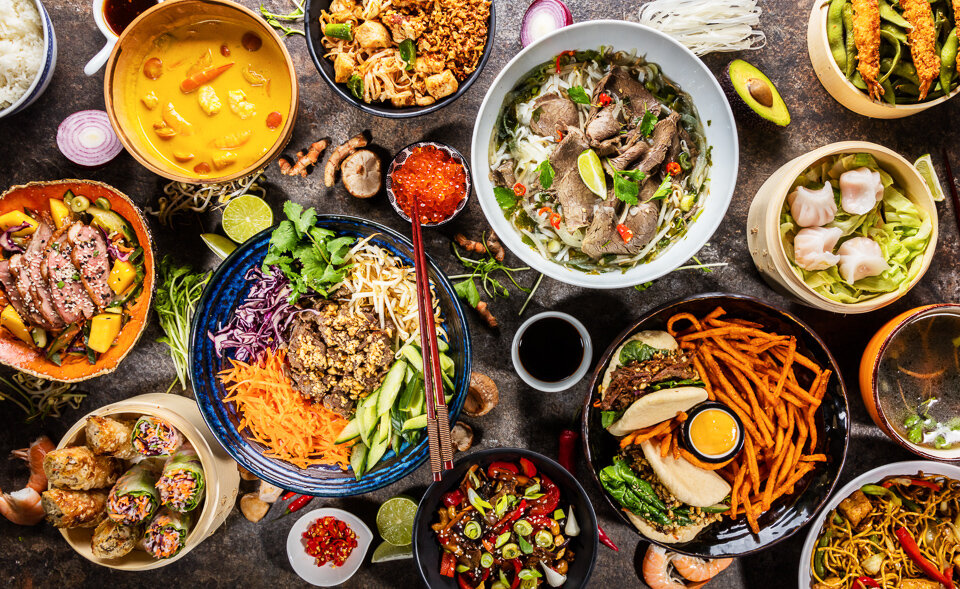
In the animal kingdom, animals require different supplements and follow different diets. Some animals only eat meat, which is carnivorous. Some animals only eat plants, which is herbivorous. Humans are an omnivorous species, which means they can eat meat and plants. But some people have different dietary requirements. There are a few common diets which humans follow, some being omnivorous, others herbivorous. A plain omnivorous diet can eat all types of meats, plants, and animal products. This is the most common diet which most people follow. If you take away a few things, you get a pescatarian. Pescatarians can only eat fish meat. Some pescatarians also eat white meat, pollo-pescatarians. The general division between a pescatarian and an omnivore is red meat. A step after pescetarianism is vegetarianism, someone who cuts out all meat products. The final step is veganism. The difference between vegetarianism and veganism is animal products. To explain further, animal products are all the items that animals make. This includes eggs, milk, honey, and any food that comes from animal bones. At the end of the day, people need to choose a diet that they think works for them. Remember to eat good food and stay healthy!