
In recent years, iodine deficiency has been making an unexpected comeback in some parts of the world, particularly in developed countries. This resurgence is tied to changing dietary habits, specifically the growing popularity of sea salt and Himalayan pink salt as alternatives to traditional iodized table salt. While these natural salts are often marketed as healthier and more “natural,” they typically contain little to no added iodine—a critical nutrient essential for thyroid function and overall health.
Iodine is a trace element that plays a crucial role in the production of thyroid hormones, which regulate metabolism, growth, and development. A deficiency in iodine can lead to a range of health problems, the most well-known being goiter, a swelling of the thyroid gland. More seriously, iodine deficiency can impair cognitive development in children and lead to hypothyroidism in adults. Pregnant women are especially at risk, as insufficient iodine levels can cause developmental issues in the fetus, including intellectual disabilities.
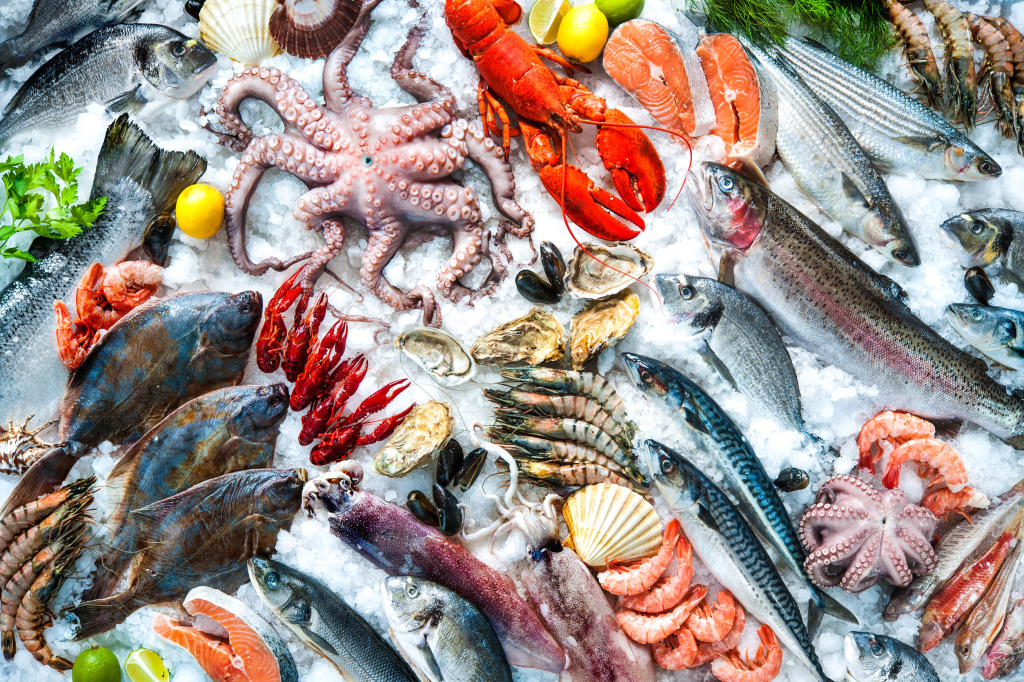
Historically, iodine deficiency was a widespread problem, especially in regions far from the sea where iodine-rich seafood was scarce. In the early 20th century, many countries launched successful public health campaigns to iodize table salt, leading to a sharp decline in deficiency-related conditions. This simple intervention was hailed as one of the great public health achievements of the 20th century.
However, modern health trends have inadvertently reversed some of that progress. As consumers become more health-conscious, many have turned away from processed foods and refined ingredients, including iodized salt. Sea salt and Himalayan salt are perceived as more natural or mineral-rich, and are often preferred for their flavor and aesthetic qualities. While it’s true that these salts contain other minerals, they generally do not contain sufficient iodine to meet daily requirements. Furthermore, many food manufacturers use non-iodized salt in their products, and people consuming less processed food may not be getting iodine from those sources either.
The problem is compounded by the fact that the symptoms of iodine deficiency can be subtle and develop slowly, making it hard to detect until significant damage has occurred. Mild deficiency may go unnoticed, but it can still impair cognitive function and energy levels. In more severe cases, especially in children, the consequences can be permanent.
Health professionals are now raising awareness about the importance of iodine in the diet. One common recommendation is to ensure the use of iodized salt at home, especially for those who do not consume large amounts of dairy, seafood, or eggs—other common sources of iodine. Supplements may be advised in some cases, particularly for pregnant women.
In conclusion, while the shift toward natural salts may seem like a minor dietary change, it has had unintended consequences for public health. The resurgence of iodine deficiency underscores the importance of not only eating “natural” foods, but also ensuring that essential nutrients are not lost in the process. Reintroducing iodized salt into the diet is a simple yet effective step toward addressing this silent but serious nutritional issue.
Sources:
https://www.goodrx.com/well-being/diet-nutrition/iodized-and-non-iodized-salt-differences
http://integrativemedicineofnj.com/the-13-amazing-health-benefits-of-himalayan-crystal-salt-the-purest-salt-on-earth
https://my.clevelandclinic.org/health/diseases/23417-iodine-deficiency
https://www.healthline.com/nutrition/iodine-deficiency-symptoms






 Fast Food Fraud Food