
Supplementary Protein in Modern Diets

Protein is a fundamental macronutrient essential to nearly every function in the human body. From repairing muscle tissue to supporting immune responses and hormone production, protein serves as a critical building block of life. While many people meet their protein needs through a balanced diet, supplementary proteins (protein powders, shakes, and bars) have become increasingly popular as convenient, efficient tools to support health, fitness, and recovery goals.

Protein is composed of amino acids, nine of which are essential and must be obtained from food. It plays a central role in muscle maintenance, particularly for individuals who are physically active or recovering from injury. Protein is also key for weight management, as it promotes satiety, supports lean muscle mass, and has a higher thermic effect compared to fats or carbohydrates, meaning the body uses more energy to digest it. This makes adequate protein intake a powerful tool in managing body composition and metabolism. Many times, if you try and have a full meal of carbohydrates, like a few pieces of toast, you won’t feel satiated. This is why the satiety of proteins is important.

Supplementary proteins are especially useful when dietary intake is limited or when protein needs are elevated. Athletes, older adults, vegetarians, and those with high physical demands often benefit from protein supplementation to help meet daily targets. Whey and casein, derived from milk, are two of the most effective and bioavailable protein supplements. Whey digests quickly, making it ideal for post-workout recovery, while casein digests more slowly and is often taken before bedtime to support overnight muscle repair. For those with dairy intolerances or dietary preferences, soy, pea, rice, and hemp proteins offer plant-based alternatives.

However, consuming protein is only part of the equation. Making the most of the protein you consume requires attention to timing, distribution, and lifestyle habits. First, it’s important to distribute protein intake evenly across meals. Rather than consuming the majority of protein in one sitting, it’s better to aim for 20-40 grams of high-quality protein at each meal to support muscle protein synthesis throughout the day.

Second, timing matters. Consuming protein within 30-60 minutes after exercise can accelerate muscle repair and growth. Pairing protein with a small amount of carbohydrates post-workout may further enhance recovery by replenishing glycogen stores (polysaccharide in your liver and muscles). Additionally, including a slow-digesting protein like casein before bed can help preserve muscle during overnight fasting.

Finally, your overall lifestyle, including sleep, hydration, and physical training, plays a major role in how effectively your body uses protein. Without adequate strength training, for instance, excess protein will not be directed toward muscle growth. Similarly, sleep is critical for recovery and synthesis processes. Hydration aids in the digestion and utilization of protein, preventing waste accumulation and supporting kidney function.

In conclusion, protein is vital for overall health, physical performance, and recovery. Supplementary proteins offer a convenient way to meet daily needs, especially for active individuals. But maximizing the benefits of protein requires more than just consuming enough. It depends on smart timing, balanced distribution, and healthy lifestyle choices that support the body’s ability to use this powerful nutrient effectively.

Sources:
https://www.sciencedirect.com/topics/medicine-and-dentistry/protein-metabolism
https://www.mayoclinic.org/healthy-lifestyle/nutrition-and-healthy-eating/expert-answers/high-protein-diets/faq-20058207
https://www.health.harvard.edu/nutrition/high-protein-foods-the-best-protein-sources-to-include-in-a-healthy-diet

The Resurgence of Iodine Deficiency

In recent years, iodine deficiency has been making an unexpected comeback in some parts of the world, particularly in developed countries. This resurgence is tied to changing dietary habits, specifically the growing popularity of sea salt and Himalayan pink salt as alternatives to traditional iodized table salt. While these natural salts are often marketed as healthier and more “natural,” they typically contain little to no added iodine—a critical nutrient essential for thyroid function and overall health.

Iodine is a trace element that plays a crucial role in the production of thyroid hormones, which regulate metabolism, growth, and development. A deficiency in iodine can lead to a range of health problems, the most well-known being goiter, a swelling of the thyroid gland. More seriously, iodine deficiency can impair cognitive development in children and lead to hypothyroidism in adults. Pregnant women are especially at risk, as insufficient iodine levels can cause developmental issues in the fetus, including intellectual disabilities.

Historically, iodine deficiency was a widespread problem, especially in regions far from the sea where iodine-rich seafood was scarce. In the early 20th century, many countries launched successful public health campaigns to iodize table salt, leading to a sharp decline in deficiency-related conditions. This simple intervention was hailed as one of the great public health achievements of the 20th century.

However, modern health trends have inadvertently reversed some of that progress. As consumers become more health-conscious, many have turned away from processed foods and refined ingredients, including iodized salt. Sea salt and Himalayan salt are perceived as more natural or mineral-rich, and are often preferred for their flavor and aesthetic qualities. While it’s true that these salts contain other minerals, they generally do not contain sufficient iodine to meet daily requirements. Furthermore, many food manufacturers use non-iodized salt in their products, and people consuming less processed food may not be getting iodine from those sources either.

The problem is compounded by the fact that the symptoms of iodine deficiency can be subtle and develop slowly, making it hard to detect until significant damage has occurred. Mild deficiency may go unnoticed, but it can still impair cognitive function and energy levels. In more severe cases, especially in children, the consequences can be permanent.

Health professionals are now raising awareness about the importance of iodine in the diet. One common recommendation is to ensure the use of iodized salt at home, especially for those who do not consume large amounts of dairy, seafood, or eggs—other common sources of iodine. Supplements may be advised in some cases, particularly for pregnant women.

In conclusion, while the shift toward natural salts may seem like a minor dietary change, it has had unintended consequences for public health. The resurgence of iodine deficiency underscores the importance of not only eating “natural” foods, but also ensuring that essential nutrients are not lost in the process. Reintroducing iodized salt into the diet is a simple yet effective step toward addressing this silent but serious nutritional issue.

Sources:
https://www.goodrx.com/well-being/diet-nutrition/iodized-and-non-iodized-salt-differences
http://integrativemedicineofnj.com/the-13-amazing-health-benefits-of-himalayan-crystal-salt-the-purest-salt-on-earth
https://my.clevelandclinic.org/health/diseases/23417-iodine-deficiency
https://www.healthline.com/nutrition/iodine-deficiency-symptoms

Superfoods or “Superfrauds”?

The term “superfood” often conjures images of exotic and nutrient-dense foods that promise extraordinary health benefits. Among these, acai berries have gained significant attention. Hailed as a “superfruit,” acai is rich in antioxidants, particularly anthocyanins, which are believed to combat oxidative stress. While these berries indeed have a high nutrient profile, much of the associated hype stems from marketing rather than robust scientific evidence. Studies suggest that while acai can contribute to a healthy diet, its benefits are comparable to more accessible fruits like blueberries and strawberries, which also boast high antioxidant content.

Another popular superfood is quinoa, often lauded for its complete protein profile, containing all nine essential amino acids. This makes it a valuable option for vegetarians and vegans. Additionally, quinoa is rich in fiber, vitamins, and minerals such as magnesium. However, its “superfood” status overlooks the fact that other grains, like oats and barley, provide similar nutritional benefits at a lower cost. Moreover, the rising global demand for quinoa has led to environmental concerns and socioeconomic challenges in regions where it is traditionally cultivated, such as Bolivia and Peru.

Kale has become synonymous with modern health trends, celebrated for its high levels of vitamins A, C, and K, as well as its antioxidant properties. While it is undeniably nutritious, kale’s status as a superfood has led to exaggerated claims about its health effects, including cancer prevention. Although some studies suggest a link between cruciferous vegetables and reduced cancer risk, the evidence does not single out kale as uniquely effective. Furthermore, overconsumption of raw kale can lead to thyroid issues due to its goitrogenic compounds and iodine concentrations, highlighting the importance of moderation.

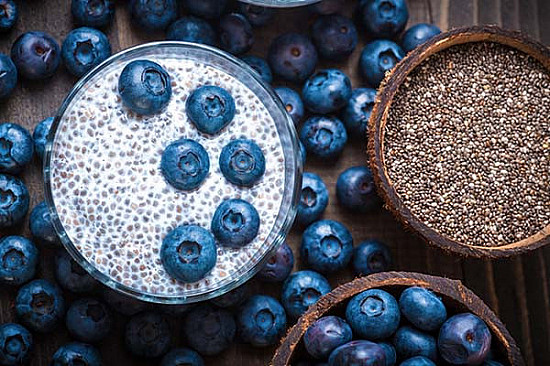
Finally, chia seeds are praised for their omega-3 fatty acids, fiber, and ability to absorb water, creating a gel-like consistency that promotes satiety. While chia seeds do offer these benefits, their omega-3 content is primarily in the form of alpha-linolenic acid (ALA), which the body must convert to more usable forms like EPA and DHA. This conversion process is inefficient, making chia seeds a less effective source of omega-3s compared to fish or algae-based supplements. Thus, while chia seeds are a healthy addition to a diet, they may not live up to their superfood label.

In conclusion, many alleged superfoods provide valuable nutrients but are often overhyped by marketing campaigns. A balanced diet that includes a variety of whole foods—both “super” and ordinary—is the most reliable path to good health. Make sure to research what goes into your body rather than mindlessly consuming “superfrauds”.

Sources:
https://www.healthline.com/nutrition/8-healthy-berries#blueberries
https://www.nm.org/healthbeat/healthy-tips/nutrition/myths-about-diet-and-thyroid
https://www.medicalnewstoday.com/articles/270435
https://www.medicalnewstoday.com/articles/chia-seeds-ibs

Breaking Down: Diabetes

Glucose is a fundamental sugar essential for the survival and functioning of all living organisms, particularly in humans. It acts as the primary source of energy for cellular processes and is critical for maintaining metabolic functions. However, glucose must be regulated properly to avoid harmful effects on the body. Diabetes, a condition that affects millions worldwide, occurs when the body’s ability to regulate glucose becomes impaired. Understanding how healthy bodies use glucose, the role of glucose transporters, and how diabetes develops can shed light on current treatments and emerging research aimed at combating this complex condition.

Glucose is a simple sugar, chemically classified as a monosaccharide, which is absorbed into the bloodstream after the digestion of carbohydrates. It serves as the primary source of energy for cells and is critical for functions such as muscle contraction, brain activity, and metabolism. Once glucose enters the bloodstream, it is transported to cells throughout the body, where it undergoes glycolysis and oxidative phosphorylation to produce adenosine triphosphate (ATP), the cell’s energy currency. In healthy individuals, this process is tightly regulated to ensure that glucose levels remain within a narrow, optimal range.

In a healthy body, glucose is absorbed from the bloodstream into cells via specific transporters. Once inside the cell, glucose can be stored as glycogen or used immediately for energy production. Insulin, a hormone produced by the pancreas, plays a pivotal role in regulating glucose uptake by signaling cells to absorb glucose from the bloodstream. When blood glucose levels rise, such as after eating, insulin helps transport glucose into cells, preventing hyperglycemia. Excess glucose is stored in the liver and muscles as glycogen, which can be broken down and released back into the bloodstream when needed, ensuring a constant supply of energy even between meals.

Glucose transporters facilitate glucose’s entry into cells through specialized mechanisms. One primary transporter, GLUT1, allows glucose to enter cells via facilitated diffusion, a process in which glucose moves down its concentration gradient without requiring energy. GLUT1 is present in many tissues, including the brain, where a constant supply of glucose is essential for function. Another transporter, SGLT (sodium-glucose cotransporter), uses cotransport mechanisms to move glucose into cells against its concentration gradient, powered by sodium ions. SGLT is essential in the kidneys, allowing glucose reabsorption. GLUT4, located in muscle and fat cells, is insulin-dependent. Upon insulin stimulation, a signal cascade triggers GLUT4’s conformational change, allowing glucose to enter the cell. This transporter is especially important during exercise, when muscle cells need increased glucose for energy.

Type 1 diabetes is an autoimmune condition in which the body’s immune system mistakenly destroys the insulin-producing beta cells in the pancreas. Without insulin, glucose cannot enter cells, leading to dangerously high blood glucose levels. Symptoms include excessive thirst, frequent urination, and fatigue. Treatment involves daily insulin injections or the use of an insulin pump to supplement the body’s lack of insulin. Individuals must closely monitor their blood glucose levels and adjust insulin doses accordingly to maintain proper glucose balance and prevent complications.

Type 2 diabetes develops when the body becomes resistant to insulin, leading to inadequate glucose absorption. Although the pancreas still produces insulin, the cells fail to respond effectively. Over time, insulin production can decrease as well. This form of diabetes is often linked to lifestyle factors such as obesity, inactivity, and poor diet. Treatment for type 2 diabetes often involves lifestyle changes like diet and exercise, which can improve insulin sensitivity. Medications, such as metformin, help regulate glucose production and enhance insulin effectiveness. In some cases, insulin therapy may become necessary if the condition progresses.

Recent research is opening new avenues for diabetes treatment. One promising area involves beta-cell regeneration, which could help restore the body’s ability to produce insulin. Advances in stem cell therapy are also showing potential for regenerating insulin-producing cells. Another area of focus is on improving the sensitivity of insulin receptors, which may provide better outcomes for individuals with type 2 diabetes. Research on continuous glucose monitors (CGMs) and artificial pancreas systems is also advancing, offering more precise, real-time control of glucose levels for people with diabetes. These technologies could significantly improve the quality of life for individuals with diabetes and reduce the risk of complications.

Glucose is vital for energy production in the body, and proper regulation is essential for maintaining health. Diabetes, whether through a lack of insulin (type 1) or insulin resistance (type 2), disrupts this balance and can have serious consequences if left untreated. Current treatments, such as insulin therapy and medications, have helped manage diabetes, but research into regenerative medicine, advanced glucose monitoring, and beta-cell regeneration holds promise for the future. As our understanding of the disease continues to evolve, so too does the hope for better, more effective treatments.

Sources:
https://www.sciencedirect.com/science/article/abs/pii/B9780128498866000033
https://www.cdc.gov/diabetes/about/about-type-1-diabetes.html
https://link.springer.com/article/10.1007/s00125-021-05415-5
https://www.news-medical.net/health/Trailblazing-Discoveries-The-Top-5-Diabetes-Research-Breakthroughs-of-2023.aspx

Proteins Against Cancer

Researchers led by Hiroshi Ohno at the RIKEN Center for Integrative Medical Sciences in Japan have made an important discovery about how food antigens, like albumin found in common foods such as milk and meat, may play a vital role in preventing tumors from forming in the small intestine. This research, published in Frontiers in Immunology, provides new insights into how the immune system in the gut responds to certain proteins from our diet, offering hope for better understanding cancer prevention in this delicate region of the body.

To understand this breakthrough, it’s essential to grasp what food antigens are and how they typically interact with the human body. Food antigens are proteins that the immune system recognizes as foreign and potentially harmful, even though they are not necessarily dangerous on their own. For example, the proteins in peanuts, shellfish, or milk can sometimes trigger allergic reactions, ranging from mild symptoms to life-threatening conditions. Even when allergic reactions don’t occur, the immune system often scrutinizes these antigens, keeping them under surveillance as potential threats. Traditionally, food antigens are viewed with some level of caution, due to their role in allergies, but the new research from Ohno’s team paints a more complex picture of their function, particularly in the small intestine.

The small intestine plays a critical role in absorbing nutrients from food, but it is also home to a large portion of the body’s immune cells, including T cells, which help the body identify and attack harmful invaders. In previous research, Ohno and his team had shown that food antigens activate immune cells in the small intestine, but not in the large intestine. This raised an interesting question: Could food antigens also be involved in protecting the gut from diseases like cancer?

To answer this question, the researchers turned to a specialized type of mouse that has a genetic mutation affecting the tumor-suppressing gene. This mutation is similar to one found in humans with familial adenomatous polyposis, a condition that leads to the development of numerous tumors in both the small and large intestines. These mice provided a good model for studying how food antigens might influence the formation of intestinal tumors.

The researchers divided the mice into three groups, each receiving a different diet. One group was fed normal food, which contained a variety of antigens from plants and animal products. A second group received antigen-free food, which was designed to avoid any proteins that might trigger an immune response. Finally, a third group of mice was fed antigen-free food, but with a specific antigen added to the mix: albumin, a common protein found in animal products like meat and eggs. Importantly, the amount of protein in the diet was kept consistent across all groups, ensuring that any effects observed were due to the presence of the antigen, not differences in nutrition.

The results were striking. Mice that ate normal food or the antigen-free food with added albumin developed significantly fewer tumors in the small intestine compared to those that received only antigen-free food. However, the number of tumors in the large intestine was the same across all groups, suggesting that the effect of food antigens was specific to the small intestine. This was a crucial finding because it indicated that the antigens were not just affecting the overall health of the mice, but were actively engaging the immune system to prevent tumors from developing in a specific part of the gut.

But how exactly did the antigens accomplish this? The researchers found that the presence of food antigens stimulated the production of T cells in the small intestine. These immune cells are known to play a key role in identifying and destroying abnormal or cancerous cells, and the increase in their numbers was likely responsible for the reduction in tumor formation. Mice that were fed the antigen-free diet, on the other hand, had far fewer T cells in their small intestines, leaving them more vulnerable to tumor growth.

The implications of these findings are significant, especially for people who rely on specialized diets for medical reasons. Elemental diets, which consist only of simple amino acids rather than whole proteins, are often prescribed for patients with severe gastrointestinal conditions like Crohn’s disease or irritable bowel syndrome. These diets are designed to be easy to digest and reduce inflammation in the gut, but they also eliminate food antigens. Based on the findings of this study, eliminating antigens from the diet could unintentionally reduce the body’s natural ability to suppress tumors in the small intestine, particularly in individuals who are already at higher risk due to genetic conditions like familial adenomatous polyposis.

According to Ohno, “small intestinal tumors are much rarer than those in the colon, but the risk is higher in cases of familial adenomatous polyposis, and therefore the clinical use of elemental diets to treat inflammatory bowel disease or other gastrointestinal conditions in these patients should be considered very carefully.” This highlights the delicate balance that must be maintained when choosing dietary treatments for individuals with complex medical conditions. While elemental diets can be life-saving for some patients, they may carry unforeseen risks, particularly when it comes to tumor formation in the small intestine.

The findings from this study also raise broader questions about the role of diet and the immune system in cancer prevention. While much of the focus on food antigens has been on their potential to cause harm, these results suggest that they may also have important protective functions, at least in certain parts of the body. Further research will be needed to fully understand how different types of food antigens affect the immune system and how this knowledge can be applied to improve health outcomes.

In conclusion, this study provides a new perspective on how food antigens interact with the immune system in the small intestine, offering insights into potential strategies for preventing cancer in the gut. While there is still much to learn, these findings highlight the importance of considering both the benefits and risks of dietary choices, particularly for individuals with genetic predispositions to intestinal cancer. As research continues to explore the complex relationship between diet, the immune system, and cancer, this study opens the door to new possibilities for preventing and treating tumors in the small intestine.

Sources:
https://www.sciencedaily.com/releases/2024/09/240918124955.htm
https://muschealth.org/medical-services/ddc/patients/digestive-diseases/small-intestine/tumors-of-the-small-intestine
https://www.davita.com/diet-nutrition/articles/basics/what-is-albumin

To Be Healthy and Humane: Cows

The fast-food industry is constantly under scrutiny for its sourcing practices and the quality of ingredients used. Humans are omnivores, which means that these ingredients used could be crops grown but they could also be animals. These animals are living creatures, and they should be raised humanely. About 20% of all the land on the planet is used for livestock, which is 53% of all agricultural land. As the human race, how should we balance our own health with the respectful and proper treatment of our fellow inhabitants of Planet Earth?

The Tragedy of the Commons is a principle that highlights how individual users, acting independently according to their self-interest, can ultimately deplete a shared resource, leading to the detriment of the entire group. In biological terms, this principle is often observed in ecosystems where overuse of a particular resource—be it grazing land, fisheries, or water sources—leads to degradation and collapse of the ecosystem. This concept is crucial in understanding how practices like overharvesting and unsustainable farming can lead to long-term negative outcomes for both the environment and the economy. One classic example of the Tragedy of the Commons is overfishing in the world’s oceans. Individual fishermen, seeking to maximize their catch, often ignore quotas and regulations, leading to the depletion of fish stocks. This overexploitation not only threatens the survival of certain fish species but also disrupts entire marine ecosystems and the communities that rely on them for food and livelihood. Another example is deforestation in the Amazon rainforest. Farmers and loggers, driven by the immediate economic benefits of clearing land for agriculture or timber, contribute to the widespread destruction of the forest. This practice leads to loss of biodiversity, disruption of water cycles, and contributes to climate change, affecting global environmental health.

Taco Bell has faced criticism for allegedly using older cows in their beef products. According to a report by the Daily Dot, Taco Bell’s beef is often sourced from cows that are past their prime reproductive age, which can impact both the quality and nutritional value of the meat used in their products.

In the fast-food industry, cows are typically slaughtered at an older age compared to those used by traditional butchers. According to a report from Daona Wagyu, fast-food chains often use cows that are around 5 to 6 years old, as they are cheaper and still provide adequate meat yields. In contrast, butchers and high-end meat suppliers generally prefer younger cows, slaughtering them between 18 months to 3 years of age. Younger cows are favored for their tenderness and superior taste, making them more desirable for premium cuts of beef.

The age of the cow significantly impacts the taste, texture, and nutritional value of the beef. Younger cow beef is known for its tenderness, juiciness, and rich flavor. The muscle fibers are less developed, resulting in a softer texture that is highly prized in the culinary world. Nutritionally, younger beef tends to have higher levels of intramuscular fat, contributing to a richer taste and better mouthfeel. On the other hand, beef from older cows tends to be tougher and less flavorful. The meat is often leaner and can have a more pronounced, sometimes gamey flavor, which is not as universally appealing. Nutritional differences may include higher protein content but lower fat levels, making it less desirable for certain cooking methods that rely on fat for flavor and moisture.

Age also plays a crucial role in the quality of meat from other animals. For instance, “baby back ribs” come from younger pigs and are known for their tenderness and mild flavor, compared to spareribs from older pigs, which are tougher and have a stronger taste. Lamb is another example, with “spring lamb” being particularly sought after for its delicate flavor and tender texture, unlike meat from older sheep, which can be tougher and have a more robust flavor. Choosing younger, more tender meat from animals like cows, pigs, and lambs can lead to a more enjoyable culinary experience, but it also raises important ethical considerations. The practice of using older animals in the fast-food industry can be seen as a way to reduce waste and maximize resource use. However, it is essential to balance these practices with humane treatment of animals and sustainable resource management. By being mindful of where our food comes from and how it is produced, consumers can make choices that are not only healthier for themselves but also more humane and sustainable for the planet.

While restaurants like Taco Bell should not be treated as a frequent place to gain sustenance from, their sourcing of cows is admirable. It might be cheaper to slaughter a cow after 24 months of life, but they do not do that. This sacrifice shows that even in the massive industry of fast food, you can remain competitive while providing respect to the 300 million cows slaughtered each year.

Sources:
https://www.dailydot.com/news/taco-bell-beef-quality/
https://www.daonawagyu.com/blog/blog-post-title-four-wde5f/
https://www.texasmonthly.com/bbq/old-cows-texas-steaks-heartbrand/
https://clear.ucdavis.edu/explainers/cattle-and-land-use-differences-between-arable-land-and-marginal-land-and-how-cattle-use
https://sentientmedia.org/how-many-cows-are-killed/

Fast Food’s Service Industry

The fast-food industry stands as a behemoth in the service sector, with millions employed worldwide. According to recent statistics, over 13.1 million people are employed in fast food establishments throughout the world, highlighting its significant presence in the job market. Although this is such an important component of part-time employment, there are many issues with it. Read on to learn more about fast food employment.

The demographic of entry-level workers in fast food is diverse and often comprises young individuals seeking their first job experience. Teenagers and young adults, often students or those looking for part-time employment, form a considerable portion of the workforce. However, it’s important to note that fast food jobs are not exclusively held by the youth; individuals from various age groups, including retirees and those in transition between careers, also contribute to this workforce. The entry-level positions in fast food typically require minimal skills and qualifications, making them accessible to a wide range of individuals seeking employment opportunities.

However, the future of fast food employment is at risk; primarily due to automation and technological advancements. The use of self-ordering kiosks, robotic food preparation systems, and even automated delivery mechanisms, could replace the jobs of cashiers, cooks, and servers. While this may streamline processes and reduce labor costs for employers, it raises concerns about the potential displacement of human workers and the need for retraining or upskilling to remain employable in the industry. To summarize, this is not a sustainable career path as technology revolutionizes.

Job stability in the fast-food sector has long been a subject of debate, particularly in the context of the ongoing battle over minimum wage legislation. Many fast-food workers find themselves trapped in low-wage jobs with limited opportunities for advancement or wage increases. The push for higher minimum wages has been met with resistance from some within the industry, citing concerns about increased operational costs and potential job losses. However, advocates argue that raising the minimum wage is essential for ensuring the financial stability and well-being of fast-food workers, many of whom struggle to make ends meet on their current earnings.

The impending $20 minimum wage law in California has sparked preemptive actions by fast-food chains, resulting in job cuts and layoffs as they brace for potential financial ramifications. Pizza Hut and other chains have begun discontinuing delivery services and laying off workers, citing rising operating costs. The move has raised concerns about job stability and the broader impact on the fast-food industry workforce. As businesses adapt to the changing landscape, there’s a shift towards third-party delivery services, potentially altering the employment dynamics within the sector. The wage law’s exemption criteria have also stirred controversy, with allegations of political favoritism surfacing. Amidst debates over the economic implications, stakeholders grapple with the challenges of maintaining profitability while ensuring fair wages for workers in the fast-food service industry.

Despite the challenges and uncertainties within the fast-food industry, there are alternative job opportunities available to workers with similar skill sets. Other service-oriented industries, such as retail, hospitality, and customer service, often require comparable skills in areas such as customer interaction, food handling, and multitasking. Additionally, roles in food service management, catering, and culinary arts present avenues for career advancement and professional development beyond entry-level positions in fast food.

In conclusion, the fast-food industry plays a significant role in the service sector, employing millions of individuals worldwide. The demographic of entry-level workers is diverse, comprising primarily young individuals seeking their first job experience. However, future trends indicate a shift towards automation, raising concerns about job displacement and the need for retraining. Job stability remains a challenge. Nonetheless, alternative job opportunities exist within related industries, providing avenues for career advancement and professional growth for fast-food workers. As the industry continues to evolve, addressing these issues will be crucial in ensuring the well-being and prosperity of its workforce.

Sources:
https://www.ibisworld.com/global/industry-trends/biggest-industries-by-employment/
https://www.foxbusiness.com/fox-news-food-drink/california-food-chains-laying-off-workers-ahead-new-minimum-wage-law

Morsels of Metal: What’s In Your Chocolate?

Indulging in a piece of chocolate, often perceived as a delightful escape, might not be as sweet as it seems. In a recent investigation by Consumer Reports, a staggering revelation emerged – a third of chocolate products tested contained concerning levels of lead or cadmium, heavy metals with potential health repercussions. This unsettling discovery prompts us to delve into the impact of these metals on our bodies and explore strategies for both consumers and manufacturers to navigate this bitter (like dark chocolate) reality.

While metals like lead and cadmium are essential to our bodies in trace amounts, excessive exposure can lead to severe health issues. Suggested serving sizes will be mentioned soon – keep reading! The risks are particularly alarming for children and pregnant women, as these heavy metals can impair brain and nervous system development, causing developmental delays and learning problems. Even adults are not exempt, facing potential complications such as immune system suppression, reproductive issues, and hypertension due to frequent lead exposure. To learn more about hypertension, check out my blog posted on 11/26/2023: “How Your Diet Can Save Your Life“. As chocolate, a beloved treat for many, is revealed to harbor these metals, it becomes crucial to understand the short and long-term implications on our health.

In the face of this unsettling revelation, consumers can adopt short-term strategies to control their chocolate intake and mitigate heavy metal exposure. Opting for dark chocolates with lower metal levels, such as Divine 70% Deliciously Smooth Dark Chocolate and Sam’s Choice Dark Chocolate 85% Cocoa, can be a safer choice. For those who prefer milk chocolate, it’s reassuring that none of the five milk chocolate bars in Consumer Reports’ latest test exceeded the recommended limits. Moderation emerges as a key principle, especially for vulnerable groups like children and pregnant women, urging them to consume dark chocolate sparingly.

A general rule of thumb is that dark chocolates with higher percentages of cocoa have higher percentages of lead and cadmium. Lindt, Alter Eco, and Pascha have on average double the limit of cadmium you should have in a day. Lindt and Trader Joe’s also have an excess of lead. But the brand that leads the pack in lead composition is Hershey’s, a staggering 253% of your daily limit in one serving. Hershey’s has been a worldwide giant in the chocolate industry since its early days, currently holding the #3 spot in America. It is baffling how such a large company is able to get away with distributing chocolate this unsafe.

Food manufacturers may also adopt proactive measures to address heavy metal contamination. Urging companies to source chocolate from areas with low cadmium soil levels, enhance cocoa harvesting, processing, and cleaning procedures, represents a viable long-term solution. Companies should no longer be allowed to get by selling toxic foods. People already make the conscious choice to eat these unhealthy desserts, but they should not be facing any more of a consequence than they already are.

As we unwrap the layers of this bitter truth about heavy metals lurking in our beloved chocolate, the responsibility falls on both consumers and manufacturers to navigate this conundrum. While immediate adjustments in consumption habits can reduce personal exposure, a lasting solution necessitates the chocolate industry’s commitment to minimizing heavy metal content. In this pursuit, transparency, responsibility, and a shared commitment to prioritizing consumer health become the cornerstones of a sweeter, safer chocolate indulgence.

Sources:
https://www.consumerreports.org/health/food-safety/lead-and-cadmium-in-dark-chocolate-a8480295550/
https://www.health.harvard.edu/heart-health/heavy-metals-found-in-popular-brands-of-dark-chocolate
https://www.usatoday.com/story/money/food/2023/10/25/chocolate-candy-test-high-lead-cadmium-levels/71312259007/

Packaging Food and Presents This Holiday Season

At this time of the year, our thoughts turn to the holiday season and what we will eat during it. But both raise a common problem: packaging. Whether you give a gift, order food, or buy fresh groceries, they all come in packaging. As society shifts towards being more eco-friendly, how can we solve the problem of packaging materials?

Sustainable food packaging is packaging that is designed to be environmentally friendly, meaning it has a minimal impact on the environment throughout its entire lifecycle. It is an important issue because the production and disposal of packaging can have negative impacts on the environment, including pollution, waste, and the depletion of natural resources. According to Adam Springer of Ahold Delhaize USA, “43% of consumers feel sustainability is now ‘extremely important’ – up from 28% of consumers pre-pandemic”.

In terms of sustainable packaging practices, there are some similarities between food products and Christmas presents. For example, both types of products can benefit from the use of packaging materials that are easily recyclable, such as cardboard and paper. One of the main goals of sustainable food packaging is to reduce the amount of waste that is generated. For example, packaging that is made from a single material is typically easier to recycle than packaging that is made from multiple materials that are difficult to separate. Currently, materials that are recycled in the US consist of 66% paper, 27% glass, and 8% plastic. Even though wrapping paper sales skyrocket during the holiday season, the amount of it that is recycled does not experience such an immense rate of change.

Both types of products can also benefit from the use of materials that are renewable or recycled, such as plant-based materials, to reduce the demand for new, raw materials and the environmental impacts associated with their extraction and processing. Packaging materials that are made from plant-based materials, such as cornstarch or bamboo, are an example of renewable options that can be used in place of traditional materials like plastic or glass. Instead of having a ton of plastic food packaging for every four tons of food, we can have a ton of plant-based materials, which are much better for the planet.

In addition to reducing waste and using renewable materials, sustainable food packaging should also be designed to be as efficient as possible in terms of transportation and storage. Packaging that is lightweight and compact can help to reduce the carbon emissions associated with shipping and storage, as it requires less energy to transport and store.

Overall, the adoption of sustainable food packaging practices is essential for reducing the environmental impacts of the food industry and ensuring that we have a healthy planet for future generations. It requires a shift in the way we think about packaging and the materials we use, but the long-term benefits for the environment and for society as a whole are well worth the effort.

Sources:
https://www.frontiersin.org/articles/10.3389/fnut.2018.00121/full
https://foodinstitute.com/focus/the-rise-of-food-packaging-sustainability/
https://thegreenhubonline.com/eco-friendly-sustainable-christmas-gift-wrapping-ideas/

Thanksgiving is Becoming Less Affordable

Thanksgiving is one of the most iconic American holidays, along with Christmas and the Fourth of July. But while other holidays are bringing in even more revenue as time goes on, why is Thanksgiving becoming less popular? Through economic and environmental struggles, Thanksgiving is recieving the rough end of the stick from both.

The entire market has been on a decline for the past year. While some billionaires who control it are thriving, most have been facing hardships. During the pandemic, when the customers of these large enterprises were dependent on the online capabilities of their applications, the market was doing great, and promoting companies that were not even remotely connected to the outbreak. Now, as we slowly get more accustomed to our previous ways, our dependency online has diminished, bringing down the market.

Along with this, the raging issue of global warming has also impacted the situation. According to Brad Rubin, “The virus doesn’t usually flourish in warm temperatures, but this season was different”. The global temperature has been at a rise for so many seasons in a row that viruses have adapted to it. The fluctuation in weather has offset the environment, and livestock aren’t able to survive in the harsh conditions. 2.5% of the national turkey population has died off, most of that coming from the turkeys that were supposed to be for human consumption. This is causing a 23% price increase in turkeys, meaning that many families will not be able to afford the now-expensive bird.

One way to save money in today’s economy is to consider not buying a turkey at all. Chickens are a healthier alternative that are much cheaper due to a higher production. If you insist on turkey, maybe consider buying just the breast. The breast itself has also experienced a price jump, one even higher than the jump of the entire bird. But if you calculate a weight to price ratio, the breast is still a better option than the entire bird. For other parts of the Thanksgiving meal, try out canned cranberries. Many people prefer canned cranberries over fresh anyway, so now, it’s their time to shine. With potato prices rising, sweet potatoes and yams are becoming seemingly better choices. It is always smart to improvise, and buying in bulk is the next best solution. You might not want to buy multiple turkeys, but you could buy a lot of potatoes (whether they are sweet or not) and use some of them now, some of them later. Canned goods have a long life, so the cranberries will last a few Thanksgivings.

In January, the price for a dozen eggs was $1.20. Now, it’s at $3.50. With prices growing at such fast rates, it is hard to see a future without outrageous prices for staples of cuisine. We don’t know anything for sure, but if we want these hard times to end, we can all work together and help. By making the planet healthier, the animals that live on it will become healthier too. Make smart decisions, and realize that every action has its own effect.

Sources:
https://www.fooddive.com/news/thanksgiving-dinner-costs-increase-wells-fargo/635364/
https://www.fooddive.com/news/eggs-turkey-prices-increase-price-hpai-outbreak-bird-flu-poultry-disease/631345/