Consequences of Malnutrition

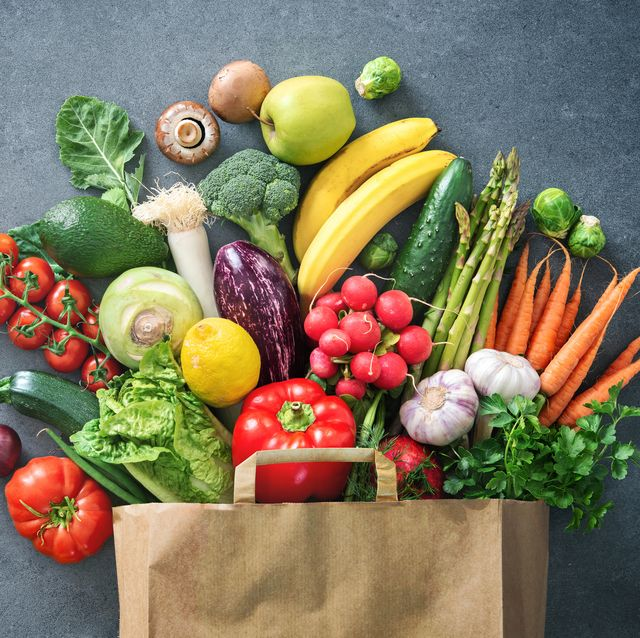
Malnutrition is a pervasive issue that manifests in various deficiency-related diseases, each stemming from the lack of specific nutrients. These conditions are often exacerbated by poverty, limited access to nutritious food, and inadequate health education. Addressing these diseases requires a holistic approach involving prevention, treatment, and sustainable dietary improvements.

Kwashiorkor and marasmus represent severe forms of protein-energy malnutrition, predominantly affecting children in sub-Saharan Africa, South Asia, and areas experiencing famine or conflict. Kwashiorkor arises from diets high in carbohydrates but deficient in protein, leading to swollen bellies, stunted growth, and weakened immunity. Marasmus, on the other hand, results from prolonged calorie and protein deprivation, causing extreme wasting and developmental delays. Solutions for both involve emergency nutritional interventions, promoting breastfeeding, and enhancing access to protein-rich foods such as legumes, dairy, and meat. Long-term strategies include poverty alleviation, improving agricultural practices, and educating communities about balanced diets.

Micronutrient deficiencies also cause significant health challenges worldwide. Anemia, due to iron deficiency, is particularly prevalent among women and children in sub-Saharan Africa, South Asia, and Southeast Asia. Symptoms such as fatigue and impaired immunity arise from insufficient iron intake or poor absorption, often exacerbated by parasitic infections like hookworm. Tackling anemia involves fortifying staple foods with iron, promoting iron-rich diets including leafy greens and meat, and providing supplements where necessary. Similarly, rickets, caused by vitamin D deficiency, is most common in South Asia and the Middle East, where cultural practices limit sun exposure. Prevention includes encouraging outdoor activities, fortifying foods like milk and cereals, and ensuring supplements reach vulnerable populations.

Vitamin deficiencies also manifest as scurvy, beriberi, pellagra, and xerophthalmia. Scurvy, resulting from inadequate vitamin C, is seen in regions with limited access to fresh fruits and vegetables, such as remote areas of South America and parts of Asia. Increasing availability of citrus fruits, tomatoes, and fortified foods can mitigate this. Beriberi, caused by a lack of vitamin B1 (thiamine), affects the nervous and cardiovascular systems and is most prevalent in Southeast Asia, where polished rice dominates diets. Solutions involve fortifying rice with thiamine and promoting whole grains. Pellagra, linked to niacin deficiency, is common in sub-Saharan Africa and areas of Latin America reliant on maize as a staple, due to its low niacin bioavailability. Fortifying maize and incorporating niacin-rich foods like fish and legumes can prevent this condition. Finally, xerophthalmia, stemming from vitamin A deficiency, disproportionately affects children in sub-Saharan Africa and South Asia. Distributing supplements and promoting vitamin A-rich foods like carrots and sweet potatoes are essential measures.

Combating malnutrition requires targeted interventions and systemic changes, including education, supplementation, and food fortification. By addressing both the immediate and root causes of nutrient deficiencies, global health outcomes can improve significantly, building healthier and more resilient communities.

Sources:
https://www.parashospitals.com/blogs/what-are-the-diseases-caused-by-malnutrition
https://www.who.int/news-room/fact-sheets/detail/malnutrition
https://medifoodinternational.com/disease-related-malnutrition/
https://pmc.ncbi.nlm.nih.gov/articles/PMC3685880/
https://pmc.ncbi.nlm.nih.gov/articles/PMC8761690/
Fast Food’s Service Industry

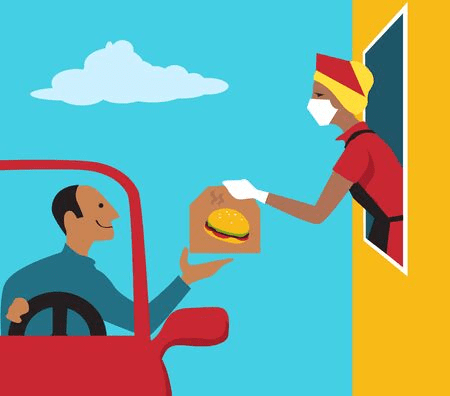
The fast-food industry stands as a behemoth in the service sector, with millions employed worldwide. According to recent statistics, over 13.1 million people are employed in fast food establishments throughout the world, highlighting its significant presence in the job market. Although this is such an important component of part-time employment, there are many issues with it. Read on to learn more about fast food employment.

The demographic of entry-level workers in fast food is diverse and often comprises young individuals seeking their first job experience. Teenagers and young adults, often students or those looking for part-time employment, form a considerable portion of the workforce. However, it’s important to note that fast food jobs are not exclusively held by the youth; individuals from various age groups, including retirees and those in transition between careers, also contribute to this workforce. The entry-level positions in fast food typically require minimal skills and qualifications, making them accessible to a wide range of individuals seeking employment opportunities.

However, the future of fast food employment is at risk; primarily due to automation and technological advancements. The use of self-ordering kiosks, robotic food preparation systems, and even automated delivery mechanisms, could replace the jobs of cashiers, cooks, and servers. While this may streamline processes and reduce labor costs for employers, it raises concerns about the potential displacement of human workers and the need for retraining or upskilling to remain employable in the industry. To summarize, this is not a sustainable career path as technology revolutionizes.

Job stability in the fast-food sector has long been a subject of debate, particularly in the context of the ongoing battle over minimum wage legislation. Many fast-food workers find themselves trapped in low-wage jobs with limited opportunities for advancement or wage increases. The push for higher minimum wages has been met with resistance from some within the industry, citing concerns about increased operational costs and potential job losses. However, advocates argue that raising the minimum wage is essential for ensuring the financial stability and well-being of fast-food workers, many of whom struggle to make ends meet on their current earnings.

The impending $20 minimum wage law in California has sparked preemptive actions by fast-food chains, resulting in job cuts and layoffs as they brace for potential financial ramifications. Pizza Hut and other chains have begun discontinuing delivery services and laying off workers, citing rising operating costs. The move has raised concerns about job stability and the broader impact on the fast-food industry workforce. As businesses adapt to the changing landscape, there’s a shift towards third-party delivery services, potentially altering the employment dynamics within the sector. The wage law’s exemption criteria have also stirred controversy, with allegations of political favoritism surfacing. Amidst debates over the economic implications, stakeholders grapple with the challenges of maintaining profitability while ensuring fair wages for workers in the fast-food service industry.

Despite the challenges and uncertainties within the fast-food industry, there are alternative job opportunities available to workers with similar skill sets. Other service-oriented industries, such as retail, hospitality, and customer service, often require comparable skills in areas such as customer interaction, food handling, and multitasking. Additionally, roles in food service management, catering, and culinary arts present avenues for career advancement and professional development beyond entry-level positions in fast food.

In conclusion, the fast-food industry plays a significant role in the service sector, employing millions of individuals worldwide. The demographic of entry-level workers is diverse, comprising primarily young individuals seeking their first job experience. However, future trends indicate a shift towards automation, raising concerns about job displacement and the need for retraining. Job stability remains a challenge. Nonetheless, alternative job opportunities exist within related industries, providing avenues for career advancement and professional growth for fast-food workers. As the industry continues to evolve, addressing these issues will be crucial in ensuring the well-being and prosperity of its workforce.

Sources:
https://www.ibisworld.com/global/industry-trends/biggest-industries-by-employment/
https://www.foxbusiness.com/fox-news-food-drink/california-food-chains-laying-off-workers-ahead-new-minimum-wage-law

Microplastics in Our Food

Microplastics have become a concern to our world, infiltrating many aspects of our environment, including the food we consume. These tiny plastic particles, often invisible to the naked eye, have raised alarms due to their potential impacts on human health and the ecosystem. Understanding what microplastics are, their effects, and how they find their way into our food supply is crucial for addressing this emerging issue.

The definition of a microplastic is a small plastic particle, typically measuring less than 5 millimeters in size. These plastics can originate from a variety of sources, including the breakdown of larger plastic debris, microbeads used in personal care products, and fibers shed from synthetic clothing. These particles can persist in the environment for extended periods, accumulating in water bodies, soil, and even the air.

Microplastics pose a range of threats to both environmental and human health. In the environment, they can be ingested by marine life, leading to physical harm, blockages in digestive systems, and potential transfer through the food chain. Moreover, microplastics can adsorb and transport harmful chemicals and pathogens, exacerbating their impacts on organisms. We are warned not to litter plastics because they can take centuries to decompose; we litter microplastics without even realizing. What’s worse: microplastics can get in anything and everything. They can also come from anything an everything. It is extremely difficult to negate the spread of microplastics and scientists are still innovating on how to solve this problem.

In terms of human health, there is growing concern about the ingestion of microplastics through food and water. While the full extent of their health effects is still being researched, potential risks include inflammation, disruption of gut microbiota, and the introduction of harmful chemicals into the body. An extremely haunting fact about microplastics is that when researchers were attempting to find the exact effects of ingesting microplastics, they could not find a control group. For those unfamiliar with scientific procedure, a control group is a sample that will be used to compare to another sample that will be experimented on. Scientists intended to compare a human with no microplastics in their bodies to someone that did, but they were not able to find a single data set of the former.

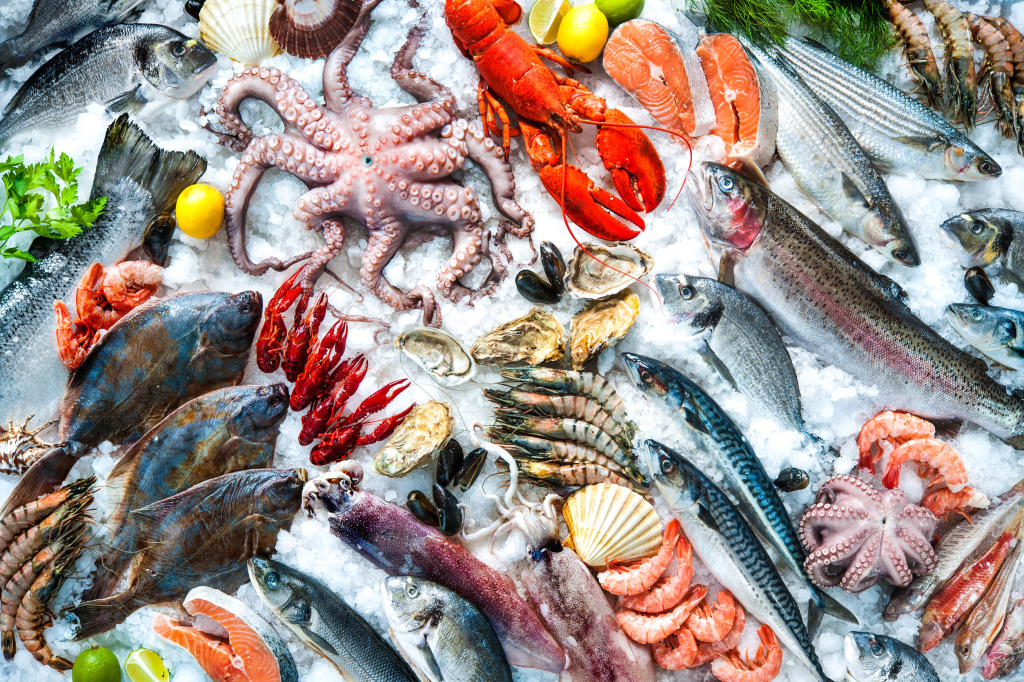
Microplastics have been found in a variety of food items, including seafood, salt, honey, and even drinking water. Seafood, in particular, is a major source of microplastic exposure for humans, as marine organisms can ingest these particles and accumulate them in their tissues. Additionally, plastic packaging and processing equipment can introduce microplastics into food products during manufacturing and preparation.

Reducing the intake of microplastics requires both individual and collective actions. Consumers can opt for fresh, minimally processed foods whenever possible, as these are less likely to contain microplastic contaminants from packaging and processing. Choosing products with minimal plastic packaging and avoiding single-use plastics can also help reduce the overall prevalence of microplastics in the environment. Furthermore, supporting initiatives aimed at reducing plastic pollution, such as beach clean-ups and waste management improvements, can contribute to mitigating the spread of microplastics in food and the environment. Policy measures, such as bans on microbeads and stricter regulations on plastic production and disposal, are also essential for addressing this issue effectively.

Microplastics represent a significant environmental and public health concern, with implications for both ecosystems and human well-being. As these tiny plastic particles continue to pervade our environment and food supply, it is crucial to take proactive measures to mitigate their impacts. By raising awareness, implementing sustainable practices, and advocating for policy changes, we can work towards reducing the prevalence of microplastics in our food and safeguarding both our health and the planet for future generations.

Sources:
https://oceanservice.noaa.gov/facts/microplastics.html
https://www.clientearth.org/latest/news/microplastics-what-are-they-and-why-are-they-a-problem/
https://medshadow.org/the-impact-of-microplastics-cant-be-studied-because-there-is-no-control-group/
https://www.ncbi.nlm.nih.gov/pmc/articles/PMC10390371/

Morsels of Metal: What’s In Your Chocolate?

Indulging in a piece of chocolate, often perceived as a delightful escape, might not be as sweet as it seems. In a recent investigation by Consumer Reports, a staggering revelation emerged – a third of chocolate products tested contained concerning levels of lead or cadmium, heavy metals with potential health repercussions. This unsettling discovery prompts us to delve into the impact of these metals on our bodies and explore strategies for both consumers and manufacturers to navigate this bitter (like dark chocolate) reality.

While metals like lead and cadmium are essential to our bodies in trace amounts, excessive exposure can lead to severe health issues. Suggested serving sizes will be mentioned soon – keep reading! The risks are particularly alarming for children and pregnant women, as these heavy metals can impair brain and nervous system development, causing developmental delays and learning problems. Even adults are not exempt, facing potential complications such as immune system suppression, reproductive issues, and hypertension due to frequent lead exposure. To learn more about hypertension, check out my blog posted on 11/26/2023: “How Your Diet Can Save Your Life“. As chocolate, a beloved treat for many, is revealed to harbor these metals, it becomes crucial to understand the short and long-term implications on our health.

In the face of this unsettling revelation, consumers can adopt short-term strategies to control their chocolate intake and mitigate heavy metal exposure. Opting for dark chocolates with lower metal levels, such as Divine 70% Deliciously Smooth Dark Chocolate and Sam’s Choice Dark Chocolate 85% Cocoa, can be a safer choice. For those who prefer milk chocolate, it’s reassuring that none of the five milk chocolate bars in Consumer Reports’ latest test exceeded the recommended limits. Moderation emerges as a key principle, especially for vulnerable groups like children and pregnant women, urging them to consume dark chocolate sparingly.

A general rule of thumb is that dark chocolates with higher percentages of cocoa have higher percentages of lead and cadmium. Lindt, Alter Eco, and Pascha have on average double the limit of cadmium you should have in a day. Lindt and Trader Joe’s also have an excess of lead. But the brand that leads the pack in lead composition is Hershey’s, a staggering 253% of your daily limit in one serving. Hershey’s has been a worldwide giant in the chocolate industry since its early days, currently holding the #3 spot in America. It is baffling how such a large company is able to get away with distributing chocolate this unsafe.

Food manufacturers may also adopt proactive measures to address heavy metal contamination. Urging companies to source chocolate from areas with low cadmium soil levels, enhance cocoa harvesting, processing, and cleaning procedures, represents a viable long-term solution. Companies should no longer be allowed to get by selling toxic foods. People already make the conscious choice to eat these unhealthy desserts, but they should not be facing any more of a consequence than they already are.

As we unwrap the layers of this bitter truth about heavy metals lurking in our beloved chocolate, the responsibility falls on both consumers and manufacturers to navigate this conundrum. While immediate adjustments in consumption habits can reduce personal exposure, a lasting solution necessitates the chocolate industry’s commitment to minimizing heavy metal content. In this pursuit, transparency, responsibility, and a shared commitment to prioritizing consumer health become the cornerstones of a sweeter, safer chocolate indulgence.

Sources:
https://www.consumerreports.org/health/food-safety/lead-and-cadmium-in-dark-chocolate-a8480295550/
https://www.health.harvard.edu/heart-health/heavy-metals-found-in-popular-brands-of-dark-chocolate
https://www.usatoday.com/story/money/food/2023/10/25/chocolate-candy-test-high-lead-cadmium-levels/71312259007/

Modern Effects of Bioengineering on Food

In recent decades, bioengineering has revolutionized the agricultural industry, ushering in a new era of food production and consumption, and sustainability. While we continue to face issues with disease, worker shortages, and poor funding of farms, the future is in bioengineering; a future where food can be revolutionized.

One of the most prominent examples of the modern effects of bioengineering on food is the development of seedless watermelon. Traditional watermelons contain black seeds that contribute to their reproduction and genetic diversity. However, the presence of seeds can be bothersome to consumers, leading to discomfort while eating and the need to spit them out. In the 20th century, scientists began experimenting with hybridization techniques to develop seedless watermelon varieties.

Among many methods, the most interesting is chromosome duplication. This method is a breeding technique used to create seedless watermelons. It involves crossbreeding a diploid watermelon plant (with two sets of chromosomes) with a tetraploid watermelon plant (with four sets of chromosomes). The resulting seeds grow into triploid watermelon plants (with three sets of chromosomes) that are sterile and cannot produce viable seeds. However, they can produce fruit with underdeveloped, soft, or white seed coats, making them seedless or nearly seedless. This basic biology lead to a massive innovation in the food industry.

The introduction of seedless watermelon is a testament to the positive impact of bioengineering on food production. With traditional watermelon varieties, farmers had to carefully manage pollination to prevent crossbreeding, which could result in seeded fruits. This process was labor-intensive and required meticulous planning. However, seedless watermelon plants do not produce fertile seeds, eliminating the risk of crossbreeding and simplifying cultivation practices. Moreover, seedless watermelon plants tend to be more robust and disease-resistant, leading to higher crop yields and reduced reliance on pesticides. As a result, farmers can produce larger quantities of watermelon, meeting the rising demand from consumers. This increase in productivity has not only benefited farmers economically but has also contributed to more stable food supplies.

The availability of seedless watermelons has significantly influenced consumer behavior. The absence of seeds has made the fruit more appealing to a broader audience, including children and those who previously disliked dealing with seeds. Consequently, seedless watermelons have become more popular than their seeded counterparts, leading to shifts in consumer preferences and purchasing patterns. Furthermore, the rise of seedless watermelons reflects the increasing consumer demand for convenient and easy-to-consume foods. In today’s fast-paced world, people often prioritize convenience over traditional values, and seedless watermelons perfectly align with this preference. This trend has prompted food producers to explore bioengineering methods to create other seedless or easy-to-eat fruits and vegetables, expanding the range of convenient options available to consumers.

While the advent of seedless watermelon and other bioengineered crops has offered significant benefits, there are also concerns regarding the long-term sustainability of such practices. Critics argue that bioengineering might lead to a reduction in genetic diversity within crop populations, making them vulnerable to pests, diseases, and environmental changes. Moreover, the widespread adoption of bioengineered crops raises questions about potential cross-contamination between genetically modified and non-genetically modified crops, threatening the integrity of organic and conventional farming practices. It is crucial to establish strict regulations and measures to prevent unintended consequences and ensure the coexistence of different farming methods.

The development and widespread adoption of seedless watermelon serve as a powerful example of the modern effects of bioengineering on food production and consumption. Bioengineering has allowed for the creation of crops with improved qualities, such as seedlessness, which cater to changing consumer preferences and increase food productivity. However, it is essential to strike a balance between the benefits of bioengineering and potential environmental and sustainability risks. The future is exciting!

Sources:
https://cucurbitbreeding.wordpress.ncsu.edu/watermelon-breeding/seedless-watermelon-breeding/
https://www.ksat.com/news/local/2022/02/14/what-is-a-bioengineered-food-and-why-do-some-food-packages-now-have-that-label/
https://ag.purdue.edu/gmos/why-gmos.html

Sustainable Cooking

Cooking is a daily routine that affects our environment, and it is vital that we approach it in a sustainable way. In this article, we will explore some tips on how to be more environmentally friendly when cooking, including sustainable food practices, such as farm-to-table, reducing food waste, and ethical food sourcing.

Farm-to-table is a sustainable food practice that reduces our carbon footprint by sourcing local ingredients from nearby farmers and producers. This helps to minimize transportation and packaging, which has a significant impact on the environment. Shopping at local farmer’s markets or joining a community-supported agriculture (CSA) program is a great way to practice farm-to-table cooking and support the local economy. Additionally, this practice promotes biodiversity, which is essential for maintaining a healthy ecosystem. Simply buying seeds and digging out a small patch in your backyard is a great start to getting fresh products that help the environment!

Reducing food waste is another crucial aspect of sustainable cooking. The USDA reports that an estimated 30-40% of the food supply is wasted, leading to significant environmental consequences. Planning meals in advance and only buying what is needed is a great start to reducing food waste. Additionally, using all parts of the ingredients and composting food scraps can significantly reduce methane emissions from landfills. This way, we can reduce our carbon footprint and minimize the amount of food that ends up in the trash. It’ll be hard for anyone to go to completely no waste, but whatever waste you do have, make sure you can deal with it the proper way. For example: composting or fertilizing.

Ethical food sourcing is essential for sustainable cooking. It involves selecting ingredients that are produced in an environmentally and socially responsible way. For instance, choosing meat products that are certified organic or grass-fed and avoiding products that come from factory farms. When selecting seafood, it is important to choose sustainably caught or farmed products and avoid overfished or destructively caught species. By supporting these practices, we can help reduce our impact on the planet and promote ethical and sustainable food production. Spending an extra few bucks for “premium” meat may seem like a luxury, but it has been made increasingly more affordable.

Cooking in bulk is another sustainable cooking practice that can help reduce energy consumption and time spent cooking. Additionally, leftovers can be repurposed into new meals, reducing the need to purchase new ingredients. Slow cookers, pressure cookers, and roasting large quantities of vegetables are some ways to cook in bulk. By adopting this practice, we can save time and energy while still enjoying delicious meals.

Finally, choosing energy-efficient appliances and sustainable cookware is essential for sustainable cooking. Induction cooktops and convection ovens are examples of energy-efficient appliances that can help reduce energy consumption. Sustainable materials such as cast iron or stainless steel are ideal for cookware instead of non-stick cookware that contains harmful chemicals that are difficult to recycle. Choosing these environmentally friendly appliances and cookware promotes responsible resource use and reduces our carbon footprint.

In conclusion, adopting sustainable cooking practices is crucial in minimizing our environmental impact when cooking. By practicing farm-to-table cooking, reducing food waste, and ethical food sourcing, we can ensure that we are using our resources responsibly. Cooking in bulk and using sustainable appliances and cookware can also reduce our carbon footprint. By adopting these sustainable cooking practices, we can enjoy delicious meals while taking care of our planet.

Sources:
http://socisdg.com/en/blog/sustainable-cooking/
https://www.usda.gov/foodlossandwaste
https://www.usda.gov/media/blog/2013/01/28/whats-your-beef-prime-choice-or-select

Uses of Technology in the Food Industry

The use of technology in the food industry has changed how we produce and find food, including the way we use applications, robotics, data and processing techniques. While it may not be the first thing that comes to mind when it comes to food, technology has become an essential part of food production and processing.

According to a recent report from Dutch banking group, ING, the use of technology in the food industry helps manufacturers to produce food more efficiently for a growing world population. With a growing population, the demand for food is increasing each year. Technology improves the processing and packaging of food, resulting in increased shelf life and safety. It is important for foods that are mass produced to be the same. A reason why people today prefer unhealthy packaged foods over fresh foods from the farmer’s market is because when they open a bag of chips, they know what to expect. A fruit, for example, could be sweet, sour, soft, or firm. The use of technology helps eliminate this issue for packaged foods.

Robotic machines can eliminate safety issues in the food industry by performing the more dangerous tasks. In 2016, a tech company introduced a program for butchery, using robots to cut the more difficult meats and save workers from injury. Dangerous machinery cannot be coded to work symbioticly with humans. But working with other robots? They can do that just fine. It is more helpful to have a fully automated system than a partially automated system, which is why companies are decreasing their human workload while increasing their automated workload.

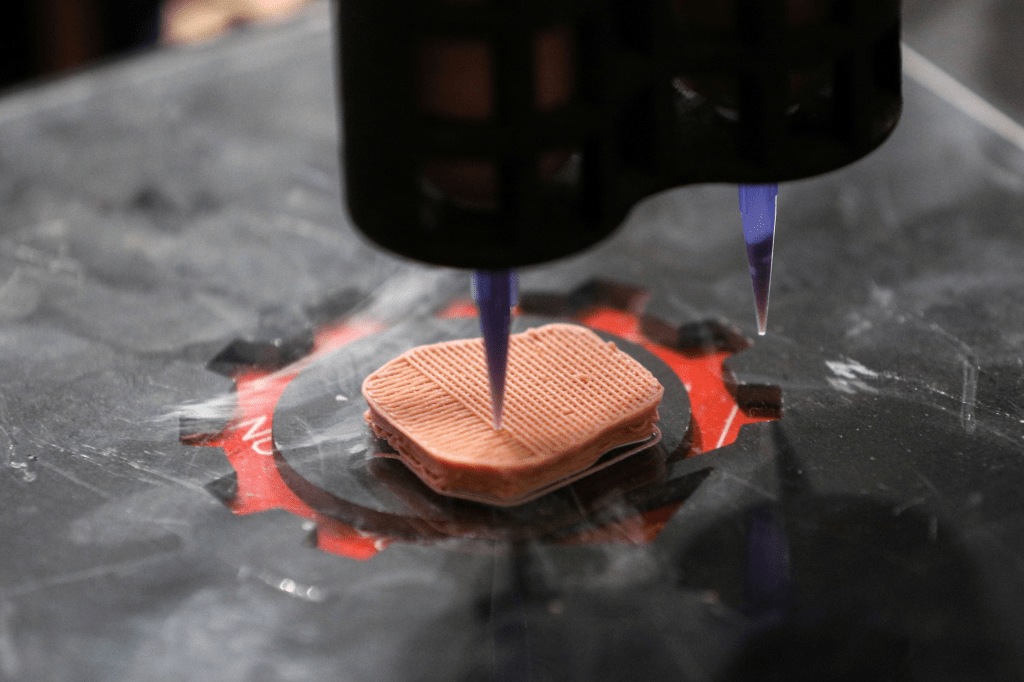
Surprisingly, 3D printing has become increasingly popular across the food industry. There have been several applications of 3D printing food, from NASA printing a pizza to creating soft foods for people who cannot consume hard food. It opens the door to innovation and helps with food sustainability, shaking up the industry in many ways. One alternative to eating the sodium and calorie high imitation meats is to eat 3D printed meat, which is almost a perfect copy of the actual thing!

Precision agriculture is a major player in the use of technology to improve food production. GPS tracking systems and satellite imagery are used to monitor crop yields, soil levels and weather patterns to increase efficiency on the farm. Drones are also used to locate and identify diseased or damaged crops and tend to them immediately, helping workers to be more efficient. With strict product requirements at large volumes and demand for lower pricing, robotic elements help create a faster environment to produce more goods than regular labor.

The use of technology in packaging has also become a concern for consumers, who pay attention to labels and harmful ingredients. Companies use technology to help them “go green,” finding alternatives to plastics and other harmful packaging for the environment. There are many different ways we are using technology in packaging, from edible packaging to micro packaging and even bacteria-fighting packaging. Consumers are also looking for where companies source their products and how they handle their waste. Currently, 40% of America’s food is thrown away each year. With the help of technology, strides are being taken to reduce that number and utilize extra food. For example, the app Copia uses its food waste reduction dashboard to connect businesses with surplus food to local shelters, after-school programs, and other nonprofit organizations.

With all these advancements in technology, there are so many different ways that it can really change how we produce food. Evolving technology could be the key to eliminating world hunger and solving our waste problem. The possibilities are endless, and we can only wait and see how technology will continue to revolutionize the food industry.

Sources:
https://www.forbes.com/sites/nicolemartin1/2019/04/29/how-technology-is-transforming-the-food-industry/?sh=2ae72dec20a3
https://www.3dsourced.com/feature-stories/3d-printed-meat-future-of-cuisine/

Thanksgiving is Becoming Less Affordable

Thanksgiving is one of the most iconic American holidays, along with Christmas and the Fourth of July. But while other holidays are bringing in even more revenue as time goes on, why is Thanksgiving becoming less popular? Through economic and environmental struggles, Thanksgiving is recieving the rough end of the stick from both.

The entire market has been on a decline for the past year. While some billionaires who control it are thriving, most have been facing hardships. During the pandemic, when the customers of these large enterprises were dependent on the online capabilities of their applications, the market was doing great, and promoting companies that were not even remotely connected to the outbreak. Now, as we slowly get more accustomed to our previous ways, our dependency online has diminished, bringing down the market.

Along with this, the raging issue of global warming has also impacted the situation. According to Brad Rubin, “The virus doesn’t usually flourish in warm temperatures, but this season was different”. The global temperature has been at a rise for so many seasons in a row that viruses have adapted to it. The fluctuation in weather has offset the environment, and livestock aren’t able to survive in the harsh conditions. 2.5% of the national turkey population has died off, most of that coming from the turkeys that were supposed to be for human consumption. This is causing a 23% price increase in turkeys, meaning that many families will not be able to afford the now-expensive bird.

One way to save money in today’s economy is to consider not buying a turkey at all. Chickens are a healthier alternative that are much cheaper due to a higher production. If you insist on turkey, maybe consider buying just the breast. The breast itself has also experienced a price jump, one even higher than the jump of the entire bird. But if you calculate a weight to price ratio, the breast is still a better option than the entire bird. For other parts of the Thanksgiving meal, try out canned cranberries. Many people prefer canned cranberries over fresh anyway, so now, it’s their time to shine. With potato prices rising, sweet potatoes and yams are becoming seemingly better choices. It is always smart to improvise, and buying in bulk is the next best solution. You might not want to buy multiple turkeys, but you could buy a lot of potatoes (whether they are sweet or not) and use some of them now, some of them later. Canned goods have a long life, so the cranberries will last a few Thanksgivings.

In January, the price for a dozen eggs was $1.20. Now, it’s at $3.50. With prices growing at such fast rates, it is hard to see a future without outrageous prices for staples of cuisine. We don’t know anything for sure, but if we want these hard times to end, we can all work together and help. By making the planet healthier, the animals that live on it will become healthier too. Make smart decisions, and realize that every action has its own effect.

Sources:
https://www.fooddive.com/news/thanksgiving-dinner-costs-increase-wells-fargo/635364/
https://www.fooddive.com/news/eggs-turkey-prices-increase-price-hpai-outbreak-bird-flu-poultry-disease/631345/

Jackfruit Versus World Hunger

World hunger, global warming, and the pandemic are the current problems that the world is facing right now. All three are extremely relevant, and the former two will decide the economic and political future of the world. Since this site is about developments in the food industry, the first problem of world hunger is one that can be talked about. Many countries have high rates of hunger, which means that a person does nto have a guaranteed meal every day. This is a sensitive topic, and there are many levels to world hunger which most people don’t understand. Over the last 5 years, governments have been researching how to better the life of their starving citizens, how to aid them when they need it the most. And a possible solution may just be a simple crop. Jackfruit.

Jackfruit has always been an important fruit in many cultures. One important quality of the fruit is that all parts of it, including the tree it is grown on, can be used for the betterment of said cultures. The leaves of the plant and tree contain antioxidants, detoxifications, and phytonutrients. The wood from the tree is compact and easy to work with. It is also resistant to termites, making it a good choice for furniture. The fruit itself is extremely nutritious. Often used as a meat substitute, it has high levels of protein, potassium, minerals, and vitamins. In addition, it has the texture of pulled pork. This means that many countries in South Asia, where jackfruit naturally grows, can use this fruit to substitute for meats they cannot eat. Jackfruit also grows extremely fast, and produces large fruit that can weigh from 3-10 watermelons (27-90 kilograms).

But this has become a disadvantage. This fruit hasn’t gained the attention it deserves yet. The demand for jackfruit isn’t where it should be. Since the supply is so high, the price of jackfruit has gone down, as suppliers just want to get ride of their stockpile. But this has ruined the economy which goes hand in hand with jackfruit. Mass exports have become impossible due to the low valuation, where suppliers are losing money and still have the remaining 75% of their harvested jackfruit. If only this plant was able to be cultivated in other land masses, where the fruit could be growing in the place where it is needed. World hunger wouldn’t be a problem if this plant was everywhere. Yet, it is found everywhere. The countries with the highest hunger rates are Ethiopia, Nigeria, South Sudan and Yemen.These countries already have established trade with other countries on the African Continent, such as Kenya, Uganda, Mauritius, and other tropical African countries. These countries are known to be native to jackfruit.

The country which produces the most jackfruit annually is India. As mentioned before, they are forced to waste up to 75% of their annual harvest. This is not good, and the Indian government recognizes it. Fame is being brought to the fruit, and the stigma against it is being lifted. All the magical properties, the convenience, and the speed of growth have made it cheap. And people think that it is for people who can only afford jackfruit. Sales have decreased even more because people don’t want to be seen with an “imitation meat”. Organizations are being developed simply for the cause of bringing fame to the crop, and rightfully so. Jackfruit belongs in a higher category of fruits than it currently is in.

Vegan consumers have been crazing over jackfruit for years. In the past, veganism was correlated with green vegetables, no flavor, and people trying to lose weight. Now, veganism is a heavily studied diet which is also known for attempting to imitate the foods in the world of an omnivorous diet. Jackfruit is extremely versatile, and suitable for so many different dietary requirements. Jackfruit has the potential to become the face of veganism and the solution to world hunger all at once. People just need to give it the chance it deserves.

Sources:
https://borgenproject.org/jackfruit-ending-world-hunger/
https://lifetone.co.uk/blogs/news/jackfruit-leaves-health-benefits
https://kaliudabali.com/all-about-jackfruit-wood-or-jackwood/
https://www.actionagainsthunger.org/story/worlds-hungriest-countries

How Mass Production Has Affected Our World

Krispy Kreme IPO: DNUT starts trading on the Nasdaq

Mass production. As anyone studying economy can tell you, the demand must always be higher than the supply for a successful business. Even if there is no intention for the product to be exclusive, if you want your product to sell, you need to be needed more by the customers than you need the customer. This is the first rule of economics, but any industry that partakes in mass production thinks otherwise. They always want to have their product at the ready for use by the consumer. We see these trends in the industries of cars, clothes, furniture, and most importantly, food.

Mass production hasn’t always been a problem, and the techniques which built up to it were revolutionary in the world of technology. The production line from Henry Ford in 1913, the Speedee Service System from the McDonald brothers in 1948, and the evolution of industrialism over the last few centuries have all played their own role in this rapidly changing ecosystem. These systems were put in place to maximize efficiency and reduce stress. All business owners wanted to be the head of the most reliable business in its own industry. Ford made cars accessible to the middle class, and McDonald’s advertised their product so that it seemed attractive to every group of people. Quality wasn’t the main focus at the time, but it was still a factor which played a role in the validity of the product. As time went on, mass production has brought down the quality of products. It has gone unnoticed for a long time, because the price has gone down along with the quality.

Mass production has become socially acceptable for a multitude of reasons. The most successful companies in the world all rely on mass production in some shape or form. This gives mass production a good name. Apple is in possession of the facilities to produce 500,000 iPhones in one day! McDonalds do sell over 50,000,000 burgers a day! Without modern techniques in mass production, they wouldn’t be able to reach these milestones.

To sum it up, modern companies require modern solutions to the high demand that exists for any important product. They chose to resort to a method which prioritizes efficiency over quality. And for this, they are rewarded with billions of dollars of revenue. Though we as a species are meant to continue in our progression through evolution, some things should not be treated as collateral damage. The effects that low quality products can have could be detrimental to any consumer’s wellbeing. This is why it is important to stick to high quality foods and appliances.