The term “superfood” often conjures images of exotic and nutrient-dense foods that promise extraordinary health benefits. Among these, acai berries have gained significant attention. Hailed as a “superfruit,” acai is rich in antioxidants, particularly anthocyanins, which are believed to combat oxidative stress. While these berries indeed have a high nutrient profile, much of the associated hype stems from marketing rather than robust scientific evidence. Studies suggest that while acai can contribute to a healthy diet, its benefits are comparable to more accessible fruits like blueberries and strawberries, which also boast high antioxidant content.
Another popular superfood is quinoa, often lauded for its complete protein profile, containing all nine essential amino acids. This makes it a valuable option for vegetarians and vegans. Additionally, quinoa is rich in fiber, vitamins, and minerals such as magnesium. However, its “superfood” status overlooks the fact that other grains, like oats and barley, provide similar nutritional benefits at a lower cost. Moreover, the rising global demand for quinoa has led to environmental concerns and socioeconomic challenges in regions where it is traditionally cultivated, such as Bolivia and Peru.
Kale has become synonymous with modern health trends, celebrated for its high levels of vitamins A, C, and K, as well as its antioxidant properties. While it is undeniably nutritious, kale’s status as a superfood has led to exaggerated claims about its health effects, including cancer prevention. Although some studies suggest a link between cruciferous vegetables and reduced cancer risk, the evidence does not single out kale as uniquely effective. Furthermore, overconsumption of raw kale can lead to thyroid issues due to its goitrogenic compounds and iodine concentrations, highlighting the importance of moderation.
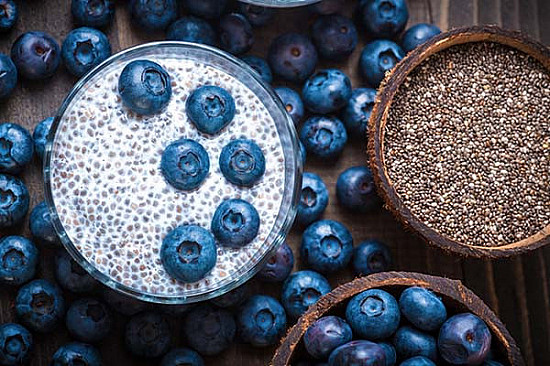
Finally, chia seeds are praised for their omega-3 fatty acids, fiber, and ability to absorb water, creating a gel-like consistency that promotes satiety. While chia seeds do offer these benefits, their omega-3 content is primarily in the form of alpha-linolenic acid (ALA), which the body must convert to more usable forms like EPA and DHA. This conversion process is inefficient, making chia seeds a less effective source of omega-3s compared to fish or algae-based supplements. Thus, while chia seeds are a healthy addition to a diet, they may not live up to their superfood label.
In conclusion, many alleged superfoods provide valuable nutrients but are often overhyped by marketing campaigns. A balanced diet that includes a variety of whole foods—both “super” and ordinary—is the most reliable path to good health. Make sure to research what goes into your body rather than mindlessly consuming “superfrauds”.
Sources:
https://www.healthline.com/nutrition/8-healthy-berries#blueberries
https://www.nm.org/healthbeat/healthy-tips/nutrition/myths-about-diet-and-thyroid
https://www.medicalnewstoday.com/articles/270435
https://www.medicalnewstoday.com/articles/chia-seeds-ibs
 Fast Food Fraud Food