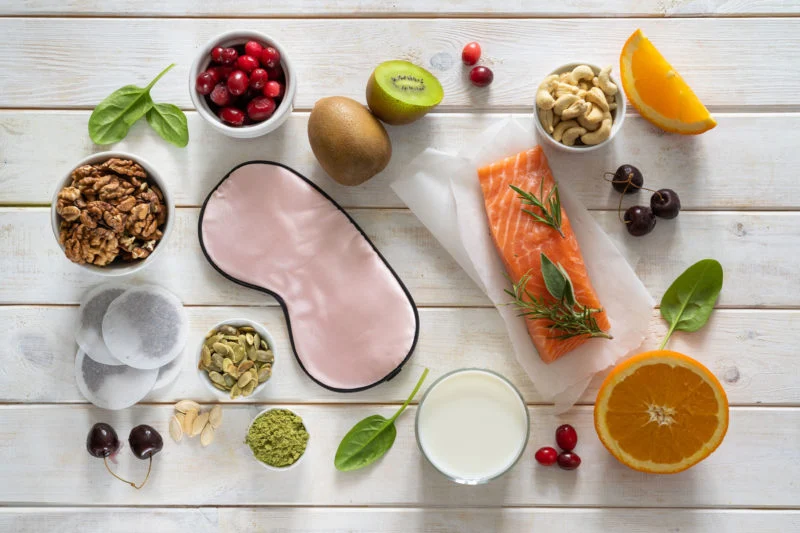
The relationship between diet and sleep is a complex but significant one. What you eat and when you eat it can profoundly impact the quality and duration of your sleep. Different dietary choices and meal timings can enhance your sleep quality. Both of these aspects of your lifestyle affect each other bidirectionally. You need to have a moderate understanding of their relationship to better your quality of life.
Sleep patterns, or circadian rhythms, are influenced by various factors including light exposure, physical activity, and diet. Famous athlete Erling Haaland wears blue light glasses from sunset to the time he sleeps as to not interrupt these cycles. Good sleep is characterized by a consistent schedule, sufficient duration, and good quality, allowing the body to go through all sleep stages, including deep sleep and REM sleep. Disruptions in sleep patterns can lead to health issues such as weakened immunity, impaired cognitive function, and increased stress levels.
The timing of meals can significantly affect sleep quality. It is generally recommended to have a regular eating schedule, with meals spaced evenly throughout the day. Breakfast should be eaten within an hour of waking up to kickstart the metabolism. Lunch should be consumed around midday to maintain energy levels. Dinner should ideally be eaten at least three hours before bedtime to allow for proper digestion, as eating too close to bedtime can cause discomfort and disrupt sleep.
Breakfast is crucial for setting the tone for the day and can influence sleep quality at night. Foods rich in complex carbohydrates, proteins, and healthy fats are ideal for breakfast. Whole grains, such as oatmeal, provide sustained energy. Protein sources like eggs or yogurt can help keep you full longer. Including fruits and vegetables adds essential vitamins and minerals that support overall health. Avoiding sugary cereals or pastries helps prevent energy crashes later in the day. Dinner should consist of foods that are easy to digest and conducive to relaxation. Lean proteins, such as chicken or fish, paired with complex carbohydrates like quinoa or sweet potatoes, can promote the production of serotonin, a neurotransmitter that helps regulate sleep. Vegetables such as leafy greens and cruciferous vegetables are also beneficial. It’s best to avoid heavy, spicy, or fatty foods in the evening, as these can cause indigestion and interfere with sleep.
Staying hydrated is important, but the timing and type of beverages consumed can affect sleep. Water should be the primary source of hydration throughout the day. Limiting caffeine intake to the morning can prevent sleep disturbances, as caffeine can stay in the system for several hours. Herbal teas, such as chamomile or peppermint, can be soothing and promote relaxation in the evening. It’s also advisable to limit alcohol consumption, as it can disrupt sleep cycles and reduce sleep quality.
Midnight snacking can disrupt sleep and contribute to poor sleep quality. To resist the urge, ensure that meals throughout the day are balanced and fulfilling. Including a healthy snack in the evening, such as a small portion of nuts or a piece of fruit, can help curb late-night hunger. Keeping unhealthy snacks out of reach and establishing a relaxing bedtime routine can also reduce the temptation to snack. Drinking a glass of water or a cup of herbal tea can help if you feel hungry late at night.
Diet plays a crucial role in sleep quality and overall health. By understanding basic sleep patterns, timing your meals appropriately, choosing the right foods for breakfast and dinner, staying hydrated with the right beverages, and resisting midnight snacking, you can improve your sleep patterns and enhance your well-being. Making these dietary adjustments can empower you to achieve better sleep and a healthier lifestyle.
Sources:
https://www.sleepfoundation.org/nutrition
https://sph.umich.edu/pursuit/2024posts/best-diet-for-healthy-sleep.html
https://www.hopkinsmedicine.org/health/wellness-and-prevention/better-sleep-3-simple-diet-tweaks
https://www.ncbi.nlm.nih.gov/pmc/articles/PMC9859770/
https://www.manchestereveningnews.co.uk/sport/football/football-news/man-city-erling-haaland-glasses-27433451
 Fast Food Fraud Food