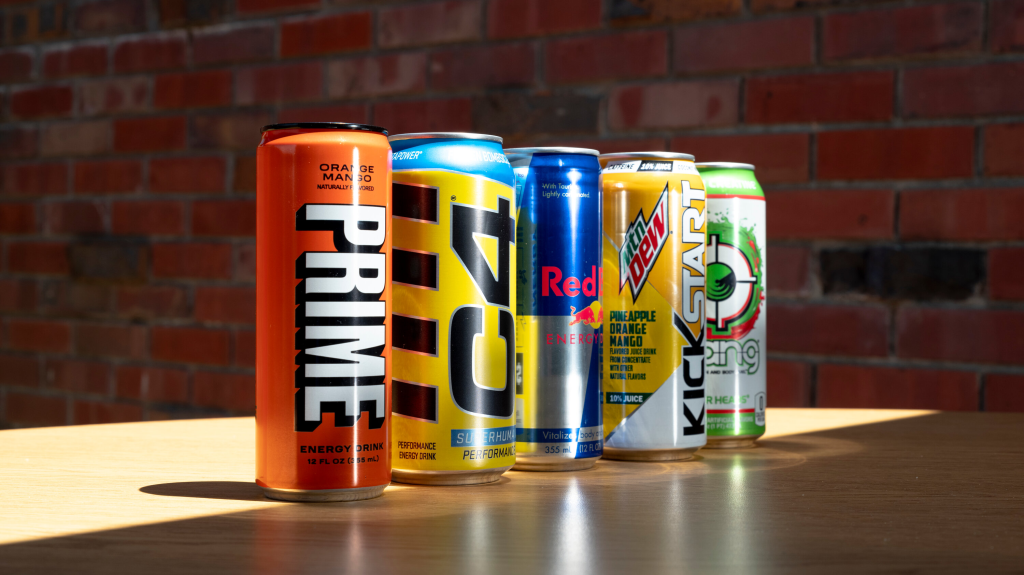
On average, approximately 90% of adults worldwide consume caffeine in various forms, making it one of the most widely consumed psychoactive substances. The average daily caffeine intake for an adult in the United States is estimated to be around 200 milligrams, equivalent to about two cups of coffee. But how many truly understand what it is, or more importantly: what it does?
Caffeine has found its way into various products, including energy drinks that can pose potential health risks. Sarah Katz was a 21-year-old, diagnosed with long QT syndrome (LQTS), who experienced cardiac arrest after consuming Panera Bread’s “Charged Lemonade,” which contained caffeine, coffee extract, and guarana extract. The lawsuit alleges that Panera misled consumers by not adequately labeling the beverage as an energy drink and emphasized the lack of clear size comparisons with their Dark Roast coffee, potentially contributing to Katz’s unintentional consumption of a dangerous amount of caffeine. The incident underscores the importance of transparent labeling and the potential risks associated with the unregulated caffeine content in some energy drinks. Katz was withheld from being able to make an accurate decision, which tragically led to her death.
Caffeine, a natural stimulant found in coffee, tea, and various plants, is commonly consumed worldwide for its alertness-inducing effects. In the case of energy drinks, high caffeine content can be problematic, especially for individuals with underlying health conditions. With a daily safe limit set by the US FDA at around 400 milligrams for healthy adults, it is crucial for consumers to be aware of their caffeine intake and for companies to provide clear information on product labels to prevent unintended consequences. Caffeine is a substance that has been used since the beginning of cultivation. From the day tea leaves were discovered and properly used, the effects of caffiene have affected society. But in the modern age of unhealthiness, it has become an obstacle.
In seeking alternative methods for maintaining energy levels, one avenue lies in choosing foods that promote sustained vitality. A well-balanced diet rich in complex carbohydrates, lean proteins, and healthy fats can provide a steady release of energy throughout the day. Incorporating whole grains, fruits, vegetables, and nuts into one’s diet offers essential nutrients and minimizes energy crashes, offering a more sustainable source of vitality than relying solely on caffeine-laden beverages.
Beyond dietary considerations, adopting alternative lifestyle choices can significantly impact one’s energy levels. Regular physical activity, including exercises such as walking, jogging, or yoga, promotes cardiovascular health and enhances overall endurance. Prioritizing adequate sleep, managing stress through mindfulness practices, and staying properly hydrated are essential lifestyle factors that contribute to sustained energy. By integrating these alternatives into daily routines, individuals can foster a comprehensive approach to maintaining vitality without relying solely on stimulants like caffeine. If you have caffeine or stimulus sensitivity, make sure you know what is right for you. In situations like Katz’s, there was nothing she could have done.
Staying informed about food choices, particularly those containing caffeine, is vital for making health-conscious decisions. Awareness of the potential risks associated with energy drinks and their ingredients empowers individuals to choose beverages that align with their health needs. Reading product labels, understanding the recommended daily limits, and staying updated on nutritional information contribute to a more informed consumer base. It is essential for companies to uphold transparency in their marketing and labeling practices, ensuring that consumers can make informed decisions about the products they choose to consume, preventing tragic incidents like the one involving Sarah Katz.
PS: Happy New Year!
Sources:
https://www.cnn.com/2023/10/23/business/panera-lawsuit-charged-lemonade-death/index.html
https://www.betterhealth.vic.gov.au/health/healthyliving/caffeine
 Fast Food Fraud Food