Microplastics have become a concern to our world, infiltrating many aspects of our environment, including the food we consume. These tiny plastic particles, often invisible to the naked eye, have raised alarms due to their potential impacts on human health and the ecosystem. Understanding what microplastics are, their effects, and how they find their way into our food supply is crucial for addressing this emerging issue.
The definition of a microplastic is a small plastic particle, typically measuring less than 5 millimeters in size. These plastics can originate from a variety of sources, including the breakdown of larger plastic debris, microbeads used in personal care products, and fibers shed from synthetic clothing. These particles can persist in the environment for extended periods, accumulating in water bodies, soil, and even the air.
Microplastics pose a range of threats to both environmental and human health. In the environment, they can be ingested by marine life, leading to physical harm, blockages in digestive systems, and potential transfer through the food chain. Moreover, microplastics can adsorb and transport harmful chemicals and pathogens, exacerbating their impacts on organisms. We are warned not to litter plastics because they can take centuries to decompose; we litter microplastics without even realizing. What’s worse: microplastics can get in anything and everything. They can also come from anything an everything. It is extremely difficult to negate the spread of microplastics and scientists are still innovating on how to solve this problem.
In terms of human health, there is growing concern about the ingestion of microplastics through food and water. While the full extent of their health effects is still being researched, potential risks include inflammation, disruption of gut microbiota, and the introduction of harmful chemicals into the body. An extremely haunting fact about microplastics is that when researchers were attempting to find the exact effects of ingesting microplastics, they could not find a control group. For those unfamiliar with scientific procedure, a control group is a sample that will be used to compare to another sample that will be experimented on. Scientists intended to compare a human with no microplastics in their bodies to someone that did, but they were not able to find a single data set of the former.
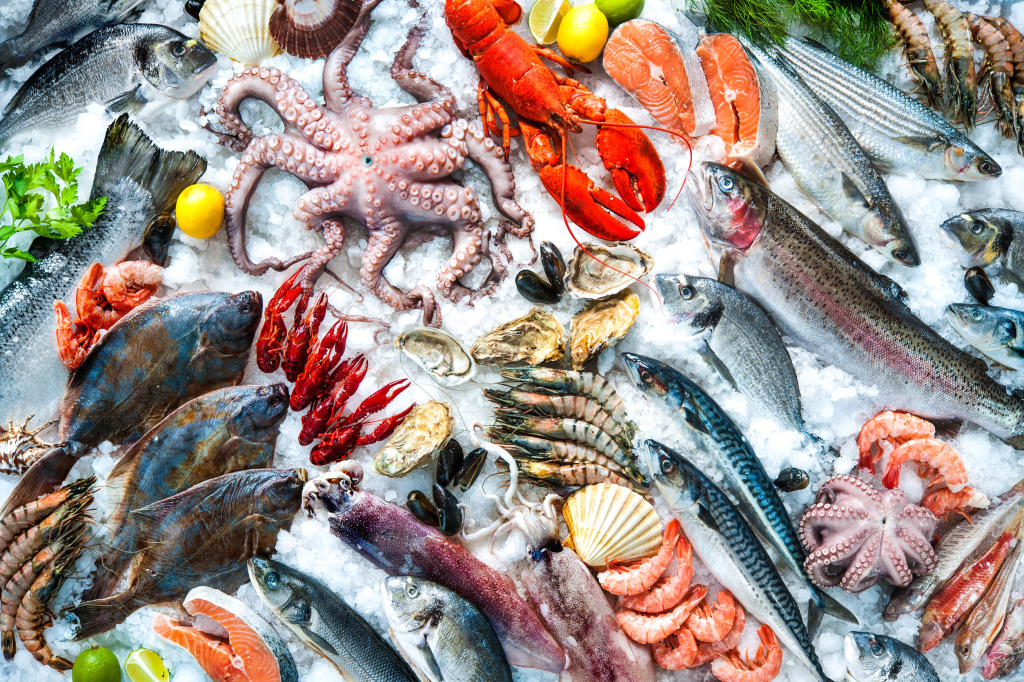
Microplastics have been found in a variety of food items, including seafood, salt, honey, and even drinking water. Seafood, in particular, is a major source of microplastic exposure for humans, as marine organisms can ingest these particles and accumulate them in their tissues. Additionally, plastic packaging and processing equipment can introduce microplastics into food products during manufacturing and preparation.
Reducing the intake of microplastics requires both individual and collective actions. Consumers can opt for fresh, minimally processed foods whenever possible, as these are less likely to contain microplastic contaminants from packaging and processing. Choosing products with minimal plastic packaging and avoiding single-use plastics can also help reduce the overall prevalence of microplastics in the environment. Furthermore, supporting initiatives aimed at reducing plastic pollution, such as beach clean-ups and waste management improvements, can contribute to mitigating the spread of microplastics in food and the environment. Policy measures, such as bans on microbeads and stricter regulations on plastic production and disposal, are also essential for addressing this issue effectively.
Microplastics represent a significant environmental and public health concern, with implications for both ecosystems and human well-being. As these tiny plastic particles continue to pervade our environment and food supply, it is crucial to take proactive measures to mitigate their impacts. By raising awareness, implementing sustainable practices, and advocating for policy changes, we can work towards reducing the prevalence of microplastics in our food and safeguarding both our health and the planet for future generations.
Sources:
https://oceanservice.noaa.gov/facts/microplastics.html
https://www.clientearth.org/latest/news/microplastics-what-are-they-and-why-are-they-a-problem/
https://medshadow.org/the-impact-of-microplastics-cant-be-studied-because-there-is-no-control-group/
https://www.ncbi.nlm.nih.gov/pmc/articles/PMC10390371/
 Fast Food Fraud Food