In recent decades, bioengineering has revolutionized the agricultural industry, ushering in a new era of food production and consumption, and sustainability. While we continue to face issues with disease, worker shortages, and poor funding of farms, the future is in bioengineering; a future where food can be revolutionized.
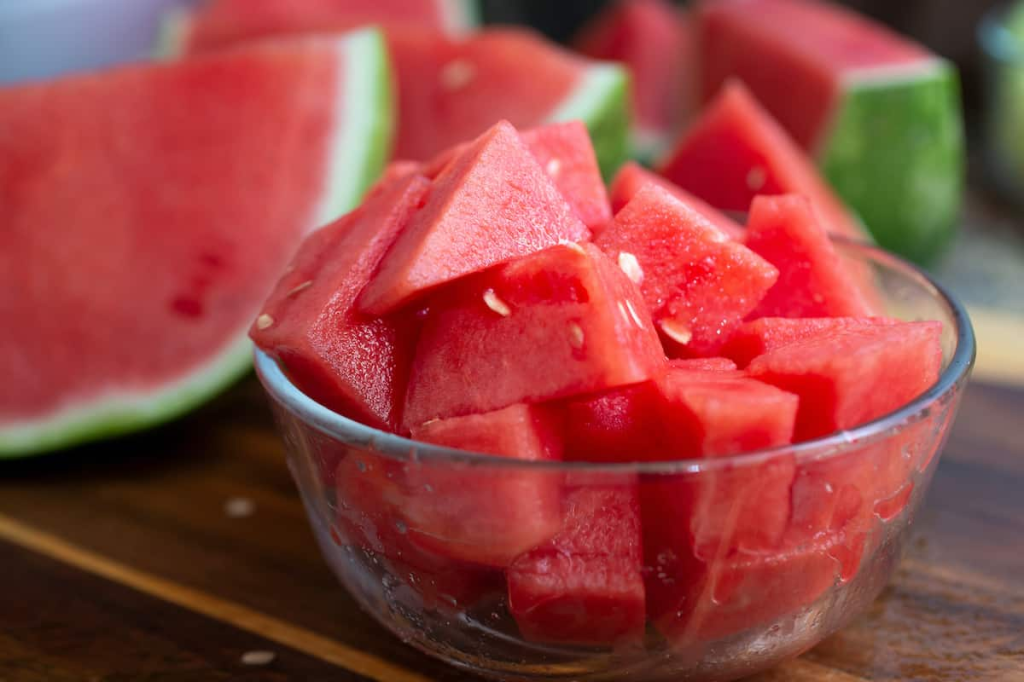
One of the most prominent examples of the modern effects of bioengineering on food is the development of seedless watermelon. Traditional watermelons contain black seeds that contribute to their reproduction and genetic diversity. However, the presence of seeds can be bothersome to consumers, leading to discomfort while eating and the need to spit them out. In the 20th century, scientists began experimenting with hybridization techniques to develop seedless watermelon varieties.
Among many methods, the most interesting is chromosome duplication. This method is a breeding technique used to create seedless watermelons. It involves crossbreeding a diploid watermelon plant (with two sets of chromosomes) with a tetraploid watermelon plant (with four sets of chromosomes). The resulting seeds grow into triploid watermelon plants (with three sets of chromosomes) that are sterile and cannot produce viable seeds. However, they can produce fruit with underdeveloped, soft, or white seed coats, making them seedless or nearly seedless. This basic biology lead to a massive innovation in the food industry.
The introduction of seedless watermelon is a testament to the positive impact of bioengineering on food production. With traditional watermelon varieties, farmers had to carefully manage pollination to prevent crossbreeding, which could result in seeded fruits. This process was labor-intensive and required meticulous planning. However, seedless watermelon plants do not produce fertile seeds, eliminating the risk of crossbreeding and simplifying cultivation practices. Moreover, seedless watermelon plants tend to be more robust and disease-resistant, leading to higher crop yields and reduced reliance on pesticides. As a result, farmers can produce larger quantities of watermelon, meeting the rising demand from consumers. This increase in productivity has not only benefited farmers economically but has also contributed to more stable food supplies.
The availability of seedless watermelons has significantly influenced consumer behavior. The absence of seeds has made the fruit more appealing to a broader audience, including children and those who previously disliked dealing with seeds. Consequently, seedless watermelons have become more popular than their seeded counterparts, leading to shifts in consumer preferences and purchasing patterns. Furthermore, the rise of seedless watermelons reflects the increasing consumer demand for convenient and easy-to-consume foods. In today’s fast-paced world, people often prioritize convenience over traditional values, and seedless watermelons perfectly align with this preference. This trend has prompted food producers to explore bioengineering methods to create other seedless or easy-to-eat fruits and vegetables, expanding the range of convenient options available to consumers.
While the advent of seedless watermelon and other bioengineered crops has offered significant benefits, there are also concerns regarding the long-term sustainability of such practices. Critics argue that bioengineering might lead to a reduction in genetic diversity within crop populations, making them vulnerable to pests, diseases, and environmental changes. Moreover, the widespread adoption of bioengineered crops raises questions about potential cross-contamination between genetically modified and non-genetically modified crops, threatening the integrity of organic and conventional farming practices. It is crucial to establish strict regulations and measures to prevent unintended consequences and ensure the coexistence of different farming methods.
The development and widespread adoption of seedless watermelon serve as a powerful example of the modern effects of bioengineering on food production and consumption. Bioengineering has allowed for the creation of crops with improved qualities, such as seedlessness, which cater to changing consumer preferences and increase food productivity. However, it is essential to strike a balance between the benefits of bioengineering and potential environmental and sustainability risks. The future is exciting!
Sources:
https://cucurbitbreeding.wordpress.ncsu.edu/watermelon-breeding/seedless-watermelon-breeding/
https://www.ksat.com/news/local/2022/02/14/what-is-a-bioengineered-food-and-why-do-some-food-packages-now-have-that-label/
https://ag.purdue.edu/gmos/why-gmos.html
 Fast Food Fraud Food